
Gardening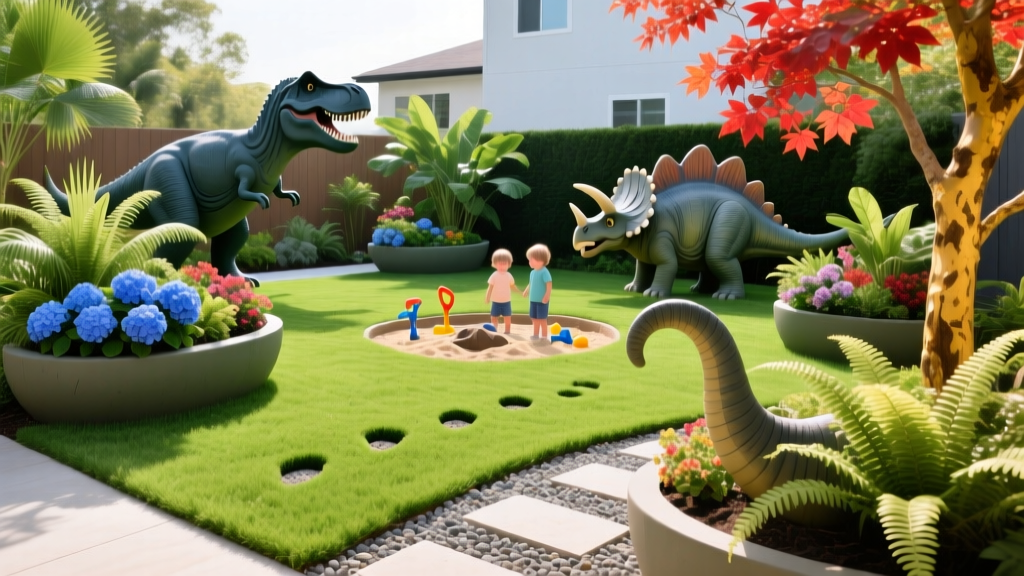
How to Design and Plant a Backyard Dinosaur Garden
The Mesozoic Plant Palette: Selecting Authentic Flora
Designing a true dinosaur garden requires moving beyond generic tropical landscaping to focus on plant lineages that thrived during the Triassic, Jurassic, and Cretaceous periods. The goal is to replicate the understory and canopy structures that herbivorous dinosaurs like Triceratops and Stegosaurus would have navigated. To achieve this, you must source specific gymnosperms, pteridophytes, and ancient fern allies.
| Botanical Name | Common Name | Mesozoic Origin | USDA Zones | Mature Height |
|---|---|---|---|---|
| Ginkgo biloba | Maidenhair Tree | Jurassic (170 MYA) | 3-8 | 50-80 ft |
| Cycas revoluta | Sago Palm | Permian/Triassic | 8-11 | 6-10 ft |
| Osmunda regalis | Royal Fern | Triassic (240 MYA) | 3-9 | 3-6 ft |
| Equisetum hyemale | Scouring Rush | Devonian/Carboniferous | 3-11 | 2-4 ft |
| Dicksonia antarctica | Soft Tree Fern | Jurassic | 9-11 | 15-30 ft |
According to the USDA Plants Database, Ginkgo biloba is a living fossil with no close living relatives, making it the perfect canopy anchor for your garden. When purchasing Ginkgo, strictly specify male cultivars (such as 'Autumn Gold' or 'Princeton Sentry') to avoid the foul-smelling butyric acid produced by female seeds. For the understory, Osmunda regalis provides the massive, sweeping fronds necessary to simulate a dense Jurassic forest floor.
Hydro-Zoning and Soil Engineering
The most common failure in prehistoric garden design is planting ancient species in a uniform soil bed. Mesozoic flora evolved in vastly different microclimates, and your soil engineering must reflect this through strict hydro-zoning.
Pro-Tip: The Cycad Mound
While ferns require constant moisture, cycads are highly susceptible to root rot (Phytophthora). Never plant cycads in low-lying areas. Build mounded berms elevated 8-12 inches above grade using a highly porous mix: 40% pumice, 30% composted pine bark fines, and 30% coconut coir. This mimics the sharp drainage of their native volcanic habitats.
While ferns require constant moisture, cycads are highly susceptible to root rot (Phytophthora). Never plant cycads in low-lying areas. Build mounded berms elevated 8-12 inches above grade using a highly porous mix: 40% pumice, 30% composted pine bark fines, and 30% coconut coir. This mimics the sharp drainage of their native volcanic habitats.
Engineering the 'Swamp' Zone
Horsetails (Equisetum hyemale) and Royal Ferns thrive in saturated, bog-like conditions. To create this zone without waterlogging your entire yard, excavate a shallow depression (6-8 inches deep) and line it with a 20-mil EPDM pond liner, puncturing it only a few times to allow slow seepage. Fill the basin with a mix of 60% peat moss, 20% loam, and 20% coarse sand. This creates an acidic (pH 5.5-6.0), moisture-retentive environment that perfectly replicates a Cretaceous swamp.
Warning: Horsetail Invasiveness
Equisetum hyemale reproduces via aggressive underground rhizomes and can easily escape into native wetlands. The UF/IFAS Gardening Solutions extension notes its highly invasive potential. Always plant horsetail in rigid, bottom-sealed fiberglass planters or sink 30-inch deep HDPE rhizome barriers into the soil to contain its spread.
Equisetum hyemale reproduces via aggressive underground rhizomes and can easily escape into native wetlands. The UF/IFAS Gardening Solutions extension notes its highly invasive potential. Always plant horsetail in rigid, bottom-sealed fiberglass planters or sink 30-inch deep HDPE rhizome barriers into the soil to contain its spread.
Hardscaping and Fossil Integration
A dinosaur garden relies heavily on hardscaping to evoke the rugged, untamed feel of the Mesozoic era. Avoid modern, polished concrete or uniform brick pavers. Instead, utilize natural, fractured stone and integrate interactive educational elements.
Step-by-Step: Building a Fossil Excavation Sandbox
For gardens designed with children in mind, an excavation site bridges the gap between botanical display and interactive play.
- Frame Construction: Build a 4x4 foot square frame using rough-sawn, untreated cedar 4x4s. Avoid pressure-treated lumber, as the copper-based preservatives can leach into the sand.
- Base Layer: Lay down a heavy-duty landscape fabric over the native soil to prevent weeds and stop burrowing pests from entering the dig site.
- Fill Material: Fill the frame with washed masonry sand. Do not use play sand, as it packs too tightly and mimics concrete when wet. Masonry sand drains well and brushes off easily.
- Artifact Placement: Bury high-density resin casts of trilobites, ammonites, and theropod teeth at varying depths (4 to 12 inches). Avoid using real fossils or fragile plaster casts, which will degrade under outdoor moisture and foot traffic.
Pathways and Boulders
Use irregular, broken-edge flagstone or locally sourced basalt for pathways. Scatter large, moss-covered granite or sandstone boulders (minimum 200 lbs each) throughout the fern understory. In the Mesozoic era, fallen timber and large rocks created the micro-depressions where moisture pooled and ferns proliferated; your boulders should serve this same hydrological function by casting deep shade and trapping ambient humidity.
Safety, Pests, and Maintenance
Ancient plants have unique defense mechanisms and pest vulnerabilities that modern gardeners must manage carefully.
The Sago Palm Toxicity Hazard
Cycas revoluta contains cycasin, a highly toxic glycoside that is lethal to dogs, cats, and humans if ingested. According to the ASPCA Animal Poison Control Center, ingestion of even a few seeds can cause acute hepatic failure in dogs. If you have pets that forage or chew on plants, substitute the Sago Palm with the non-toxic, visually similar Zamia furfuracea (Cardboard Palm) or stick exclusively to true ferns and Ginkgo.
Pest Management: Aulacaspis Scale
Cycads are highly prone to Aulacaspis scale (cycad aulacaspis scale), a white, waxy insect that will defoliate and kill the plant within months. Inspect the underside of fronds bi-weekly. If detected, apply a horticultural oil (like neem or paraffin-based oils) at a 2% concentration every 14 days. For severe infestations, systemic insecticides containing Dinotefuran applied as a soil drench are the most effective eradication method.
Budgeting Your Prehistoric Landscape
Sourcing authentic, mature specimens requires a specialized budget. Below is an estimated cost breakdown for a 500-square-foot dinosaur garden installation.
| Item / Plant | Specimen Size | Estimated Cost (USD) | Quantity Needed |
|---|---|---|---|
| Ginkgo biloba (Male) | 15-Gallon (6-8 ft) | $140 - $190 | 1 |
| Cycas revoluta | 5-Gallon (2-3 ft trunk) | $85 - $130 | 3 |
| Osmunda regalis | Bare Root / 1-Gallon | $18 - $35 | 12 |
| Pumice (Soil Amendment) | Cubic Yard (Bulk) | $65 - $95 | 1 |
| Resin Fossil Casts | Assorted 10-piece kit | $45 - $80 | 2 |
Total material costs for a 500 sq ft plot typically range from $900 to $1,600, excluding heavy machinery rentals for boulder placement. To reduce costs, purchase juvenile cycads (which grow roughly 1-2 inches of trunk per year) and propagate Royal Ferns via spore division over subsequent seasons.
Frequently Asked Questions
Can I grow a dinosaur garden in a cold climate (Zone 4 or lower)?
Yes, but your palette shifts. Replace the Sago Palm with the Eastern Hemlock (Tsuga canadensis), an ancient conifer lineage. Use Matteuccia struthiopteris (Ostrich Fern) instead of Royal Ferns, and rely heavily on Ginkgo biloba, which is remarkably cold-hardy down to Zone 3. You will lose the tropical 'swamp' aesthetic, but the evolutionary authenticity remains intact.
Do I need to prune a Ginkgo biloba tree?
Ginkgo trees require minimal pruning. Unlike modern deciduous trees, they do not respond well to heavy heading cuts. Only prune to remove dead, damaged, or crossing branches during the late winter dormancy period. Never top a Ginkgo; allow its natural, somewhat asymmetrical branching habit to develop, as this mimics its ancient growth patterns.
How do I maintain high humidity for tree ferns in a dry climate?
In arid regions (like the American Southwest), misting is insufficient for tree ferns like Dicksonia antarctica. Install a low-pressure drip irrigation system with micro-sprinklers positioned at the base of the trunk and in the canopy crown. Additionally, wrap the trunk in sphagnum moss and secure it with biodegradable jute twine; the moss acts as a moisture reservoir that slowly wicks water into the fern's aerial roots.

