
Gardening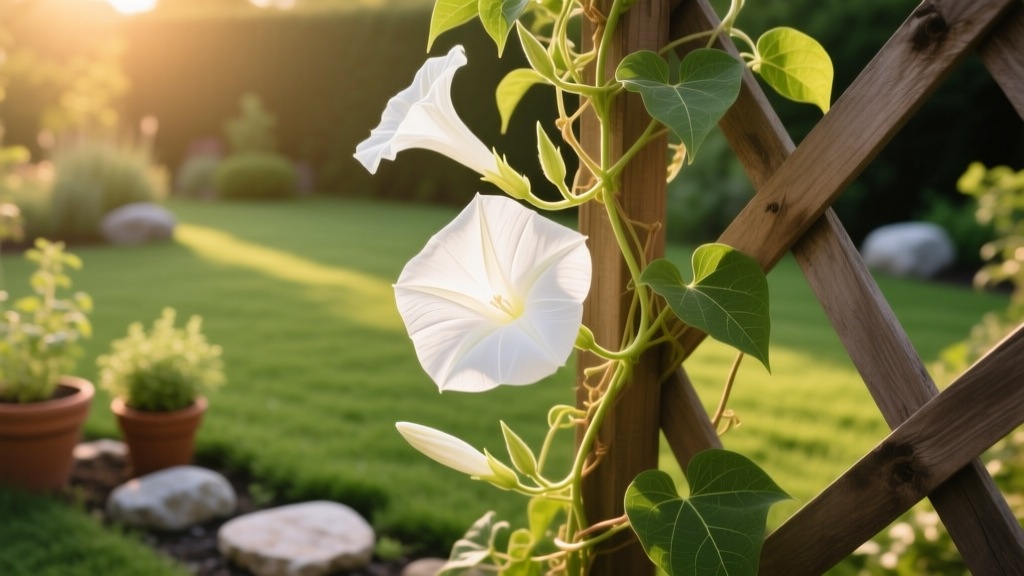
Moon Flower Meaning: Symbolism, Identification, and Growing Tips
Decoding the Moon Flower Meaning: Beyond the Garden Gate
When gardeners and botanists search for the moon flower meaning, they are usually looking for one of two things: the rich cultural symbolism tied to this nocturnal bloomer, or the ecological and botanical significance it holds in a landscape. Scientifically known as Ipomoea alba (and sometimes classified under the synonym Calonyction aculeatum), the moonflower is a tender perennial vine typically grown as an annual in most North American hardiness zones. As night-pollinator gardening and sensory landscapes surge in popularity in 2026, understanding both the symbolic and functional meaning of this plant is essential for designing a thriving dusk-to-dawn garden.
The Symbolic and Cultural Moon Flower Meaning
In the Victorian language of flowers (floriography), the moonflower carried a highly specific message. While its daytime cousin, the morning glory, represented fleeting love or mortality due to its single-day bloom, the moonflower symbolized "love in the dark," "nighttime beauty," and "dreams." Because the blossoms only open as the sun sets, they were often gifted to signify a love that thrives away from the public eye or a deep, subconscious spiritual connection.
"The moonflower does not compete for the sun's attention; it waits for the quiet of the evening to reveal its brilliance, making it a universal emblem of intuition, feminine lunar energy, and hidden potential."
In modern spiritual and meditation garden designs, the moon flower meaning extends to transition and revelation. The rapid, almost visible unfurling of the petals at twilight serves as a living metaphor for sudden clarity and the unveiling of secrets.
Botanical Identification: Recognizing Ipomoea alba
A common mistake among beginner night-gardeners is confusing the true moonflower with other white, trumpet-shaped night bloomers. Accurate identification is critical, especially regarding toxicity and growth habits. Below is a comparison matrix to help you distinguish Ipomoea alba from frequently confused species.
| Feature | Moonflower (Ipomoea alba) | Common Morning Glory (I. purpurea 'White') | Angel's Trumpet (Datura inoxia) |
|---|---|---|---|
| Bloom Time | Dusk to Dawn (Night-blooming) | Dawn to Afternoon (Day-blooming) | Dusk to Dawn (Night-blooming) |
| Flower Shape | 5-6" wide, flat-faced trumpet | 3-4" wide, funnel-shaped | 6-8" long, elongated trumpet with spines |
| Foliage | Heart-shaped, smooth margins | Heart-shaped, slightly hairy | Ovate, deeply lobed, foul-smelling when crushed |
| Growth Habit | Twining vine (up to 15 ft) | Twining vine (up to 10 ft) | Bushy, sprawling herbaceous perennial |
| Scent Profile | Strong sweet lemon-jasmine | None to very faint | Heavy, intoxicating, sometimes cloying |
Ecological Meaning: The Sphinx Moth Connection
From an ecological perspective, the moon flower meaning is rooted in its vital role as a primary nectar source for the Sphingidae family, specifically nocturnal sphinx moths (such as the Five-Spotted Hawk Moth, Manduca quinquemaculata).
Ecological Insight: The 5-inch white blooms of Ipomoea alba act as natural reflectors. In low-light conditions, the bright white petals bounce ambient moonlight, creating a visual beacon for moths navigating by lunar illumination. The flower's long, narrow floral tube is an evolutionary lock perfectly matched to the 3-inch proboscis (tongue) of a sphinx moth.
Cultivating the Night Garden: Actionable Growing Specs
Growing moonflowers requires specific seed preparation and structural support. According to the NC State Extension, Ipomoea alba thrives in heat but will fail to germinate or bloom if its hard seed coat is left intact or if it receives too much nitrogen.
Step-by-Step Germination and Planting
- Scarification: The seed coat of the moonflower is impermeable to water. Use a nail clipper or an emery board to carefully nick the outer shell of each seed. Do not crush the inner embryo.
- Hydration: Soak the scarified seeds in warm water (approx. 85°F) for exactly 24 hours. The seeds will swell to the size of small peas.
- Sowing: Plant seeds 1/2 inch deep in biodegradable peat pots. Moonflowers possess highly sensitive taproots and will suffer transplant shock if their roots are disturbed. Start indoors 4-6 weeks before your last frost date.
- Transplanting: Plant the entire peat pot directly into the garden soil once nighttime temperatures consistently stay above 60°F. Space plants 12 inches apart.
Structural Support and Soil Requirements
A mature moonflower vine can reach 15 feet in a single season and, when wet with morning dew, can weigh over 20 pounds. Standard tomato cages or lightweight trellis netting will collapse.
- Trellising: Use 14-gauge welded wire cattle panels or a heavy-duty wooden obelisk with 2x2 inch posts. Ensure the structure is anchored at least 18 inches into the soil.
- Soil pH: Maintain a slightly acidic to neutral pH between 6.0 and 7.0. The Missouri Botanical Garden notes that overly rich, heavily amended soils will result in massive vegetative growth at the expense of flower production.
- Fertilizer: Avoid high-nitrogen synthetic fertilizers (like 20-10-10). If your soil is poor, apply a low-nitrogen, high-phosphorus organic fertilizer (such as a 3-15-15 bloom booster) or top-dress with bone meal at the time of planting.
⚠️ Toxicity Warning: Like many members of the Convolvulaceae family, moonflower seeds contain LSA (ergine), a naturally occurring alkaloid that is toxic to humans, dogs, cats, and livestock if ingested. While the vine and leaves are generally safe to handle, never plant moonflowers in areas where toddlers or grazing pets frequently forage. For detailed toxicity data, consult the Cornell University Poisonous Plants Database.
FAQ: Moon Flower Meaning and Care
Why did my moonflower vines grow 12 feet but never produce buds?
This is almost always caused by excess nitrogen in the soil or insufficient sunlight. Moonflowers require a minimum of 8 hours of direct, unfiltered sunlight during the day to build the caloric energy required to push buds. If you fertilized with a standard lawn or leafy-green fertilizer, the plant will focus entirely on vegetative growth.
Does the moon flower meaning change if it is grown in a container?
Culturally, no. However, horticulturally, container-grown Ipomoea alba require a minimum 15-gallon pot (at least 18 inches deep) to accommodate the taproot. Container vines will typically max out at 6 to 8 feet, making them suitable for patio umbrella trellising, though they will require daily watering during peak summer heat.
How long does an individual moonflower bloom last?
A single blossom lasts only one night. It will unfurl rapidly at dusk (often visible to the naked eye over a 3-minute window), release its heaviest fragrance between 8:00 PM and midnight, and begin to wither and turn brown by 10:00 AM the following morning. However, a healthy vine will produce dozens of sequential blooms nightly from mid-summer until the first autumn frost.

