
Gardening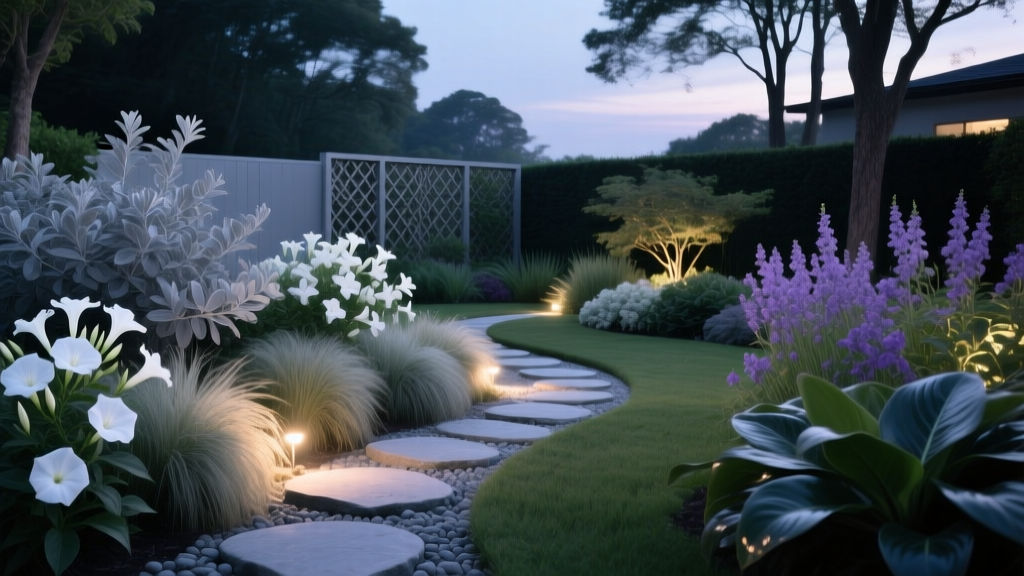
How to Design a Moon Garden Theme: Step-by-Step Planting Guide
The Core Philosophy of a Moon Garden Theme
A moon garden theme is designed specifically for evening and nighttime enjoyment, relying on sensory elements that activate after the sun sets. Unlike traditional daytime borders that depend on vibrant reds and yellows, a successful night garden utilizes high-contrast white blooms, reflective silver foliage, and heavy evening fragrances to attract nocturnal pollinators like sphinx moths and bats. According to The Old Farmer's Almanac, the primary goal is to capture and reflect ambient moonlight, creating a luminous landscape that feels ethereal and calming.
Design Principle: Avoid mixing dark purple, deep red, or navy blue flowers into your primary viewing corridors. These colors absorb light and will read as black voids at night, disrupting the visual continuity of your garden theme.
Site Preparation and Reflective Hardscaping
Before selecting plants, you must prepare the physical canvas. Moon gardens require open exposure to the night sky; avoid placing them under dense tree canopies that block lunar illumination. Soil preparation should focus on achieving a slightly alkaline to neutral pH (6.5 to 7.2), which supports the majority of silver-foliaged Mediterranean plants often used in these designs.
Amend your native soil with a 2-inch layer of leaf mold compost to boost organic matter to roughly 5-7%. This improves drainage, which is critical because many night-blooming species are highly susceptible to root rot in waterlogged evening conditions.
Hardscape Materials for Light Reflection
The pathways and mulch in a moon garden theme act as secondary light sources. Instead of dark hardwood mulch, opt for reflective hardscaping materials. In 2026, the most cost-effective and visually striking options include:
- 3/8-Inch White Marble Chips: Costing approximately $65 to $85 per cubic yard, marble chips offer brilliant reflectivity and do not compact over time.
- Decomposed Granite (Pale Gold/White): Priced around $55 to $75 per cubic yard, this provides a softer, more natural crunch underfoot while still reflecting ambient light.
- Oyster Shell Mulch: A regional favorite on the coasts, providing a stark white contrast and slowly leaching beneficial calcium carbonate into the soil.
Curating the Plant Palette: Cultivars and Spacing
The backbone of any moon garden theme is the strategic layering of structural silver foliage behind delicate, ephemeral white blooms. When sourcing plants, prioritize cultivars specifically bred for prolific night-blooming habits rather than generic species.
For vertical interest, the Missouri Botanical Garden Plant Finder highly recommends Ipomoea alba (Moonflower). This vigorous annual vine opens its massive, 6-inch white trumpets at dusk, releasing a sweet, lemony fragrance. It requires a sturdy trellis and at least 15 feet of vertical clearance. For mid-level borders, Nicotiana sylvestris 'Only the Lonely' provides architectural height and a powerful jasmine-like scent that intensifies after 8:00 PM.
| Cultivar / Species | Common Name | Mature Height | Spacing | Bloom Window |
|---|---|---|---|---|
| Ipomoea alba | Moonflower | 10-15 ft (Vine) | 12-18 in | Dusk to Dawn |
| Nicotiana sylvestris | Woodland Tobacco | 3-5 ft | 18-24 in | Evening / Night |
| Artemisia schmidtiana | Silver Mound | 10-12 in | 12-15 in | Foliage Only |
| Mirabilis jalapa | Four O'Clocks | 2-3 ft | 24-36 in | Late Afternoon-Night |
| Oenothera biennis | Evening Primrose | 3-5 ft | 18-24 in | Dusk |
⚠️ Toxicity Warning: If incorporating Datura inoxia (Angel's Trumpet) for its massive, upward-facing white trumpets, be aware that all parts of the plant are highly toxic if ingested. Avoid planting Datura in garden themes where toddlers or foraging pets have unsupervised access.
Strategic Lighting for Night Gardens
The most common mistake homeowners make when executing a moon garden theme is over-illuminating the space with harsh, cool-toned security lights. The objective is to supplement moonlight, not replace it. According to EPA WaterSense and sustainable landscaping guidelines, low-voltage, targeted lighting also minimizes ecological disruption to local wildlife and insect navigation patterns.
Fixture Placement and Kelvin Ratings
Stick strictly to LED fixtures rated between 2700K and 3000K (warm white). Anything above 3500K will cast a sterile, blueish glare that destroys the romantic aesthetic of the silver foliage. Limit path lights to a maximum of 150 lumens per fixture. Place fixtures low to the ground (under 12 inches in height) and angle the louvers downward to wash the reflective gravel pathways with light, rather than shining directly into the viewer's eyes or up into the tree canopy.
For uplighting structural elements like a Moonflower trellis, use a single 3-watt well light with a narrow 15-degree beam spread. This creates dramatic shadows without causing light pollution that would wash out the actual moonlight hitting your white blooms.
Seasonal Maintenance and Edge Cases
Night gardens require a slightly different maintenance rhythm than daytime borders. Because you are interacting with the space primarily in the evening, your maintenance schedule should adapt accordingly.
- Deadheading at Dusk: Inspect and deadhead spent blooms on Mirabilis jalapa and Nicotiana during your evening walks. This prevents the plants from expending energy on seed production and encourages continuous flowering.
- Pest Patrol for Slugs: Silver-foliaged plants like Artemisia and Dianthus are generally slug-resistant, but the tender new growth of Ipomoea alba is a prime target. Apply an iron phosphate-based slug bait (such as Sluggo) at the base of the trellis in early spring, reapplying every 30 days or after heavy rainfall.
- Foliage Cleanup: Silver foliage relies on tiny trichomes (hairs) to reflect light. If these leaves become coated in dust, mud, or pollen, they lose their reflectivity. Gently rinse the foliage of your Artemisia and Lamb's Ear with a soft spray nozzle every two weeks during dry summer spells.
Frequently Asked Questions
Can I build a moon garden theme in a heavily shaded yard?
Partial shade is acceptable, but deep shade will severely limit your plant options. Most night-blooming species, particularly Moonflowers and Four O'Clocks, require a minimum of 6 hours of direct sunlight to produce the energy required for prolific flowering. If you have deep shade, pivot your garden theme to a fern and hosta woodland garden, utilizing white-variegated cultivars like Hosta 'Patriot' to maintain the high-contrast aesthetic.
How do I attract sphinx moths to the garden?
Sphinx moths are the primary pollinators for deep-throated night bloomers. To attract them, ensure you have a continuous succession of tubular white flowers from early summer through early fall. Avoid using broad-spectrum insecticides, particularly Bt (Bacillus thuringiensis), as this will kill the moth caterpillars (often known as hornworms) before they can mature into the nocturnal pollinators you are trying to attract.
What is the best seating placement for a night garden?
Position your seating downwind of the primary fragrance producers (Nicotiana and Datura). Evening breezes will carry the scent directly to your patio or bench. Ensure the seating area faces east or south so that the rising or high moon casts light directly onto the reflective pathways and white blooms in front of you, rather than silhouetting the plants against the dark sky.

