
Gardening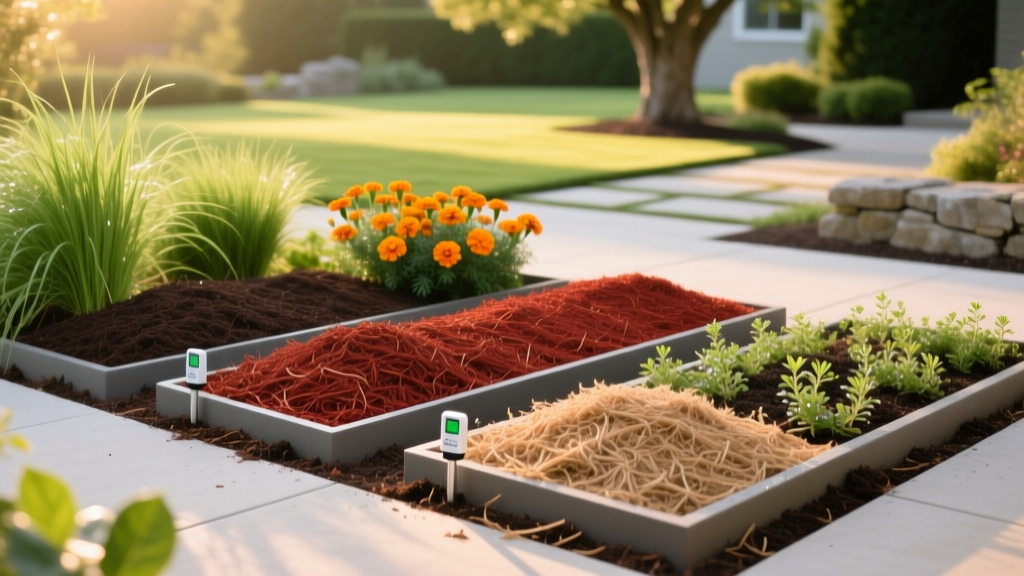
Mulch Colors Guide: How Dyes Impact Soil Temp and Plant Health
Most homeowners select mulch colors based entirely on curb appeal, treating it as a cosmetic topdressing rather than a functional soil amendment. However, the pigment applied to your mulch fundamentally alters the microclimate of your garden beds. The color of your mulch dictates solar radiation absorption, soil moisture retention rates, and even the chemical safety of the underlying root zone. As of 2026, with dyed mulch prices averaging $40 to $55 per cubic yard due to ongoing lumber and transport costs, understanding the agronomic impact of these dyes is essential for protecting your landscape investment.
The Thermal Dynamics of Mulch Colors
Mulch color directly influences the albedo effect—the measure of how much sunlight is reflected versus absorbed by a surface. This thermal variance can shift soil temperatures enough to alter planting schedules and root development.
Thermal Variance Data: At a depth of 2 inches, black mulch can raise soil temperatures by 3°F to 5°F compared to bare soil during early spring. Conversely, natural undyed pine bark reflects more solar radiation, keeping the soil profile closer to ambient air temperature.
Black Mulch: Dyed with carbon black, this mulch absorbs up to 90% of visible light. In early spring, this is highly advantageous for warming the soil quickly, allowing you to transplant cold-hardy vegetables or annuals up to two weeks earlier. However, in the peak heat of July and August, black mulch can overheat shallow-rooted perennials, causing thermal stress and accelerating moisture evaporation from the topsoil.
Red Mulch: Red mulch reflects red light wavelengths but absorbs blue and green wavelengths. It generally runs 1°F to 2°F cooler than black mulch but significantly warmer than natural wood. It is a middle-ground option for foundation beds where you want some heat retention without the extreme thermal spikes of black dye.
Natural / Undyed Mulch: Natural hardwood or pine bark reflects the most sunlight. According to the University of Minnesota Extension, undyed organic mulches provide the most stable soil temperatures, making them the mandatory choice for shade gardens, delicate root zones, and vegetable beds.
Chemical Composition and Safety of Mulch Dyes
The primary concern with colored mulch is not the dye itself, but the source material being dyed. Premium dyed mulches are made from virgin wood waste (like bark and sawdust from lumber mills). Budget dyed mulches, often sold at big-box stores for $3 to $4 a bag, are frequently manufactured from recycled shipping pallets.
⚠️ The Pallet Wood Hazard: If you purchase cheap red or black mulch, check for traces of painted wood or chemical odors. Older recycled pallets may be treated with Chromated Copper Arsenate (CCA) or Methyl Bromide (MB). While CCA was phased out for residential use in 2003, legacy pallets still enter the mulch grinding stream. Always look for mulch certified by the Mulch & Soil Council (MSC), which tests for heavy metals and toxic contaminants.
Breaking Down the Pigments
- Carbon Black (Black Mulch): Derived from the incomplete combustion of heavy petroleum products. It is essentially soot. It is generally considered safe for plants and soil, though it offers no nutritional benefit.
- Iron Oxide (Red Mulch): This is the same compound that creates rust. It is completely non-toxic to plants and humans. In fact, as it breaks down, it deposits trace amounts of bioavailable iron into the soil, which can help correct mild iron chlorosis in acid-loving plants like azaleas.
- Vegetable Dyes (Brown/Custom): Some premium brands use soy-based or vegetable-based dyes to achieve rich chocolate brown hues. These are the safest option for organic gardens but come at a 20% to 30% price premium over standard carbon-dyed products.
Comparative Analysis: Mulch Colors vs. Soil Performance
Choosing the right product requires balancing aesthetics, budget, and horticultural needs. The table below synthesizes current 2026 market data and performance metrics for the most common mulch colors.
| Mulch Color | Primary Dye Agent | Avg Cost (Per Cu Yd) | Soil Temp Impact | Fade Timeline | Best Application |
|---|---|---|---|---|---|
| Black | Carbon Black | $42 - $55 | +3°F to +5°F | 8 - 12 Months | Foundation beds, modern landscapes, early spring warming |
| Red | Iron Oxide | $40 - $50 | +1°F to +2°F | 6 - 9 Months | Commercial properties, high-contrast garden borders |
| Dark Brown | Carbon/Iron Blend | $45 - $60 | +2°F to +4°F | 10 - 14 Months | Traditional suburban landscapes, tree rings |
| Natural Pine | None (Undyed) | $32 - $40 | Neutral | N/A (Grays naturally) | Vegetable gardens, acid-loving plants, shade gardens |
Matching Mulch Colors to Specific Garden Zones
Do not use a single mulch color across your entire property. Different zones require different thermal and chemical profiles.
- Vegetable and Herb Gardens: Strictly use natural, undyed mulch (pine straw, shredded leaves, or untreated hardwood). Dyed mulches can leach carbon particles into the soil, and the recycled wood risk is unacceptable near edible crops. As noted by UMass Extension, natural organics break down faster, actively improving soil tilth and microbial life without chemical interference.
- Foundation and Curb Appeal Beds: Black or dark brown mulch provides the highest visual contrast against light-colored vinyl siding, brick, and bright green spring foliage. The darker the mulch, the more vibrant your flowers will appear. Use double-shredded hardwood dyed with carbon black for a uniform, manicured look that resists washing away during heavy spring downpours.
- Shade Gardens and Woodland Edges: Dark mulch in deep shade makes the area look muddy and cavernous. Opt for natural pine bark or a light brown dyed mulch to reflect what little ambient light penetrates the canopy, visually brightening the space and highlighting hostas and ferns.
- Play Areas and Pet Zones: Avoid red mulch. Iron oxide dye can stain concrete patios, light-colored dog paws, and children's clothing when wet. Natural cedar or undyed cypress is safer, smells better, and naturally repels certain insects without staining.
Fading, Maintenance, and the 'Mulch Volcano' Mistake
All dyed mulches suffer from UV degradation. Carbon black dyes tend to fade to a chalky gray after 8 to 12 months of direct sunlight exposure, while iron oxide (red) fades to a pale, washed-out pink much faster, often within a single summer season.
Pro-Tip for Refreshing Faded Mulch: Instead of paying for a full 2-inch top-dressing every spring, which leads to dangerous mulch buildup, use a liquid mulch colorant spray (such as MasterColor). A $40 gallon of concentrated black colorant, diluted and sprayed with a standard pump sprayer, can restore 500 square feet of faded mulch to a deep, rich black for a fraction of the cost of new material.
Avoiding the Mulch Volcano
Because dark mulch hides the texture of decaying wood, homeowners often fail to notice when they are piling it too high against tree trunks. Piling mulch against the root flare traps moisture, inviting fungal pathogens and root girdling. Always maintain a 3-inch gap between the mulch edge and the base of any tree or woody shrub, keeping the total depth to a maximum of 3 inches. For more on proper tree mulching techniques, consult the Penn State Extension guidelines.
Frequently Asked Questions
Is black mulch toxic to dogs?
Carbon black dye itself is not highly toxic, but the primary risk lies in the wood source. If the black mulch is made from recycled pallets treated with toxic preservatives, it can be harmful if ingested. Furthermore, dark mulch absorbs intense heat, which can burn the paw pads of dogs walking on it during midday summer sun. Always opt for MSC-certified virgin wood mulch for pet areas.
Does red mulch attract termites?
The color of the mulch does not attract termites; the moisture and cellulose do. However, cheap red mulch made from soft, decaying pallet wood breaks down faster and retains more moisture, creating an ideal habitat for subterranean termites. To deter pests, use natural cedar or cypress mulch, which contains natural oils (thujone) that act as a mild insect repellent.
How thick should I apply colored mulch?
Apply dyed hardwood mulch at a depth of 2 to 3 inches. Applying it thicker than 3 inches restricts oxygen flow to the soil microbiome and creates a hydrophobic crust that sheds water away from plant roots. If you have existing mulch from last year, rake it to break up the crust and only add a 1-inch layer of fresh colored mulch to restore the visual depth.

