
Gardening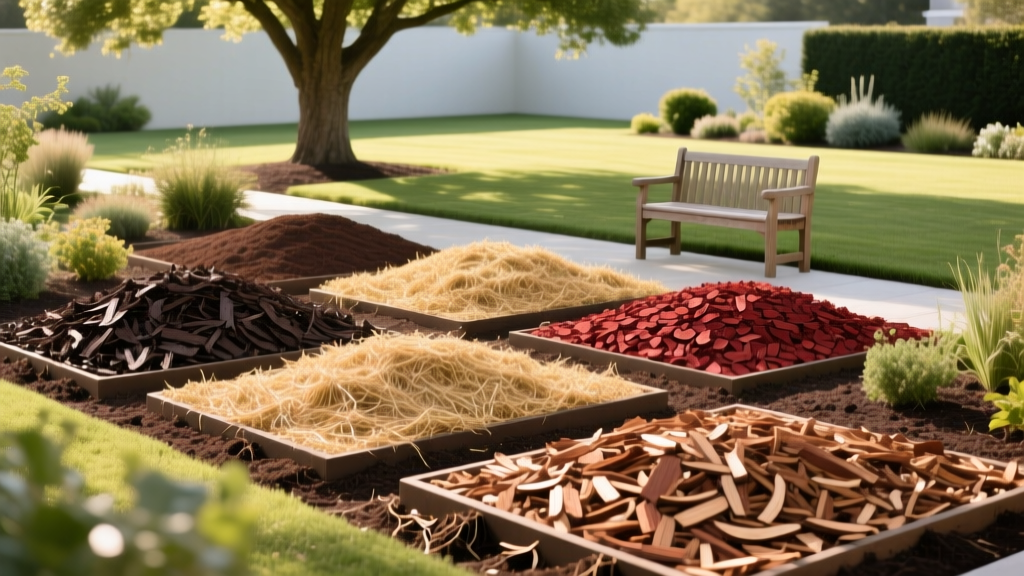
Mulch Types and Colors: How to Choose for Soil Health and Design
The Dual Purpose of Mulch: Microclimate and Aesthetics
Mulch is frequently misunderstood as a mere cosmetic top-dressing. In reality, selecting the correct material dictates soil moisture retention, microbial activity, and root zone temperature regulation. When evaluating mulch types and colors, homeowners must balance the biological needs of their soil with the visual architecture of their landscape. A mismatch can lead to nitrogen immobilization, root rot, or visual dissonance against your home's exterior.
This guide breaks down the chemical, physical, and aesthetic properties of modern mulching materials, providing exact specifications for application and purchasing in 2026.
The Science of Mulch Colors: Dyes and Degradation
The color of your mulch is not just a design choice; it indicates the material's origin and how it will interact with sunlight and soil biology. According to the Mulch & Soil Council, certified color-enhanced mulches use specific, non-toxic pigments, but their base materials vary wildly.
Black Mulch (Carbon Black)
Black mulch is dyed using carbon black, a byproduct of petroleum processing. It is highly inert and safe for garden beds. Design impact: Black provides maximum contrast, making bright green foliage and colorful annuals pop. Thermal impact: It absorbs high amounts of solar radiation, which can raise soil temperatures by 2°F to 4°F in full sun. This is beneficial in early spring for warming cold soils but can stress shallow-rooted perennials in peak summer.
Red Mulch (Iron Oxide)
Red mulch is colored with iron oxide (essentially rust). It is completely safe and can even introduce trace amounts of iron to the soil as it degrades. Red mulch tends to hold its color longer than black or brown because iron oxide is highly UV-resistant. It pairs exceptionally well with brick exteriors and warm-toned hardscaping but clashes violently with purple or red foliage plants like Japanese maples or Heuchera.
Brown Mulch (Iron Oxide and Carbon Blend)
Brown is the most natural-looking option, designed to mimic the forest floor. It uses a blend of iron oxide and carbon black. It fades the fastest of the three dyed options, often turning grayish within 8 to 10 months of UV exposure.
⚠️ The Nitrogen Robbing Effect: Most dyed mulches (black, red, brown) are manufactured from recycled Construction and Demolition (C&D) wood, such as shipping pallets. This wood has a very high Carbon-to-Nitrogen (C:N) ratio. As soil microbes break down the wood fibers at the soil-mulch interface, they consume available soil nitrogen. Always apply a nitrogen-rich amendment, such as blood meal or a 24-0-0 synthetic fertilizer, at a rate of 1 lb per 1,000 sq ft before laying dyed mulch to prevent plant chlorosis (yellowing).
Organic vs. Inorganic Mulch Types: A Decision Matrix
Choosing between organic (decomposing) and inorganic (permanent) materials depends entirely on your maintenance tolerance and soil amendment goals. The University of Minnesota Extension recommends organic mulches for general landscape beds to improve soil structure over time.
| Mulch Type | Source / Base | Bulk Cost (per Cu. Yd) | Decomposition Rate | Best Application |
|---|---|---|---|---|
| Shredded Hardwood | Native timber / Arborist chips | $28 - $38 | 12 - 18 months | Slopes (knits together), general beds |
| Pine Bark Nuggets | Pine tree bark | $35 - $45 | 24 - 36 months | Flat beds, acid-loving plants (azaleas) |
| Cypress Mulch | Cypress wetland trees | $32 - $42 | 18 - 24 months | Avoid (unsustainable harvesting) |
| Cocoa Bean Hulls | Chocolate production byproduct | $60 - $85 | 6 - 9 months | Small ornamental beds (toxic to dogs) |
| River Gravel (3/4 inch) | Mined stone | $40 - $55 | None (Permanent) | Drainage areas, xeriscaping |
| Rubber Mulch | Recycled tires | $70 - $90 | None (Permanent) | Playgrounds only (leaches heavy metals) |
Color Psychology and Landscape Design Pairings
When finalizing your choice among mulch types and colors, consider the permanent fixtures of your property. Mulch acts as the canvas for your plants and the transition between your lawn and your home's architecture.
- For Red Brick or Terracotta Homes: Use natural brown or black mulch. Red mulch will create a monochromatic, visually exhausting landscape that lacks depth.
- For Gray or Slate Modern Homes: Black mulch creates a sleek, monolithic modern aesthetic. Alternatively, natural pine bark provides a necessary textural warmth to offset cold architectural lines.
- For White or Cream Exteriors: Any color works, but dark brown or black provides the sharpest, most classic contrast, anchoring the bright structure to the earth.
- For Heavy Shade Gardens: Avoid black mulch. In deep shade, black mulch disappears into the shadows, creating a visual 'black hole.' Use light brown or undyed pine straw to reflect ambient light and brighten the understory.
Application Depth and the 3-3-3 Rule
The University of Florida IFAS Extension emphasizes that improper mulch application is a leading cause of urban tree decline. To prevent pathogen growth and root girdling, adhere strictly to the 3-3-3 rule for organic mulches:
- 3 Inches Deep: Apply a maximum layer of 3 inches. Finely shredded mulch should be kept to 2 inches to prevent water repellency. Coarse nuggets can be pushed to 4 inches.
- 3 Feet Wide: Maintain a mulch ring at least 3 feet in diameter around the base of trees and large shrubs to protect the root flare and prevent mower damage.
- 3 Inches Away: Keep the mulch exactly 3 inches away from the physical trunk or main stems. 'Volcano mulching' (piling mulch against the bark) traps moisture, inviting Phytophthora root rot and encouraging secondary roots to girdle the trunk.
Pro-Tip for Slopes: If you are mulching a grade steeper than 15%, avoid pine bark nuggets or gravel, as they will wash out during heavy rain events. Use triple-shredded hardwood, which knits together into a cohesive mat, and install biodegradable jute netting underneath for the first 6 months until the mulch settles.
Real-World Cost Breakdown: Bulk vs. Bagged
Understanding pricing structures prevents severe budget overruns. In 2026, the price gap between bagged and bulk mulch remains significant.
Bulk Delivery: Priced by the cubic yard. Standard dyed hardwood ranges from $28 to $45 per cubic yard, plus a flat delivery fee of $50 to $125 depending on your distance from the supplier. One cubic yard covers approximately 100 square feet at a 3-inch depth.
Bagged Retail: Sold in 2-cubic-foot bags at big-box stores for $4.00 to $7.50 per bag. It takes 13.5 bags to equal one cubic yard. Therefore, bagged mulch equates to $54 to $101 per cubic yard. Verdict: If you need more than 2 cubic yards (27 bags), always order bulk delivery. The delivery fee is easily offset by the per-yard savings.
Frequently Asked Questions
Does dyed mulch harm vegetable gardens?
While the dyes (carbon black and iron oxide) are non-toxic, the recycled wood base of dyed mulch may contain trace chemical residues from pallet treatments. For edible vegetable beds, exclusively use undyed, natural organic mulches like straw, grass clippings, or untreated arborist wood chips.
How often should I refresh my mulch?
Fine shredded mulches require a 1-inch top-dressing annually. Coarse bark nuggets only need replenishing every 2 to 3 years. Never add new mulch on top of old without first breaking up the decomposed, matted layer underneath, as this creates an impermeable barrier that blocks water and oxygen from reaching the soil.
Is rubber mulch a good low-maintenance option?
Rubber mulch is strictly recommended for playground fall-zones. In garden beds, it absorbs extreme heat (reaching over 130°F in summer sun), emits volatile organic compounds (VOCs), and leaches zinc and other heavy metals into the soil, which is highly toxic to most ornamental plants and soil microbes.

