
Gardening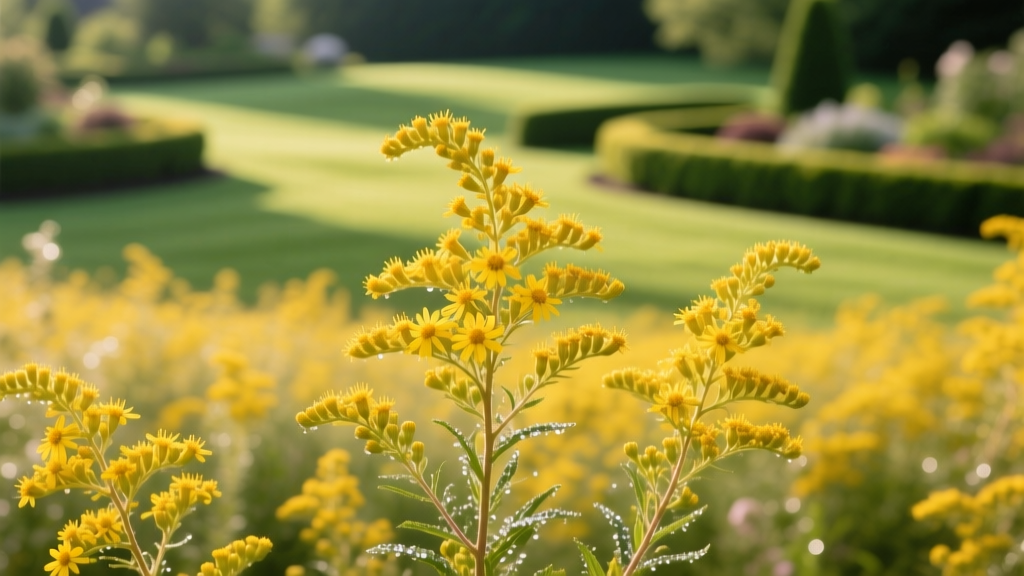
What Is the State Flower of Nebraska? A Goldenrod Growing Guide
The Official State Flower of Nebraska: Giant Goldenrod
If you are asking, "what is the state flower of nebraska", the official answer is the Goldenrod. Specifically, the state legislature adopted the Giant Goldenrod (Solidago gigantea) as the state flower on April 4, 1895. The selection was heavily championed by school children across the state who recognized the resilient, bright yellow wildflower as a perfect symbol for Nebraska's enduring pioneer spirit and expansive prairies. According to the Nebraska Legislature's official state symbols registry, the goldenrod was chosen because it blooms late in the season, enduring the harsh late-summer heat and early autumn frosts of the Great Plains.
For home gardeners and landscaping enthusiasts, goldenrod is far more than a historical symbol. It is a powerhouse perennial that provides critical late-season nectar for pollinators, stabilizes soil, and adds brilliant architectural height to autumn borders. However, cultivating it requires an understanding of its aggressive growth habits and specific ecological needs.
Botanical Profile and Identification Features
While there are over 100 species of goldenrod native to North America, Nebraska's state flower, Solidago gigantea, has distinct morphological traits that separate it from look-alikes such as the Canada goldenrod (Solidago canadensis). The USDA Plants Database outlines several key identification markers for accurate field identification.
Quick Botanical Specs: Solidago gigantea
- Hardiness Zones: 3 through 8
- Mature Height: 3 to 7 feet
- Bloom Period: Late July through October
- Light Requirements: Full sun to partial shade
- Soil pH Tolerance: 5.5 to 7.5 (adaptable to slightly acidic to neutral)
Stem and Foliage Identification
The most reliable way to identify Giant Goldenrod is by examining the stem. Unlike many other goldenrod species that feature hairy or pubescent stems, S. gigantea has a completely smooth (glabrous) stem. The lower portion of the stem often exhibits a distinct reddish or purplish hue, sometimes developing a natural, whitish waxy bloom as the plant matures. The leaves are lanceolate, featuring sharp serrations along the margins, and are arranged alternately along the stem. Lower leaves typically wither and drop off by the time the plant reaches peak flowering.
Debunking the Hay Fever Myth
A common barrier to planting goldenrod in residential landscapes is the mistaken belief that it causes autumn allergies. Goldenrod blooms at the exact same time as common ragweed (Ambrosia artemisiifolia), leading to widespread guilt by association.
In reality, goldenrod is entomophilous (insect-pollinated). Its pollen grains are large, heavy, and sticky, designed to cling to the legs and bodies of bees, butterflies, and beetles. It cannot become airborne in significant quantities. Ragweed, conversely, is anemophilous (wind-pollinated), producing billions of microscopic, lightweight pollen grains designed to travel on the wind, which is the actual culprit behind late-summer allergic rhinitis. Planting goldenrod will not exacerbate your allergies; rather, it will support the local ecosystem.
Cultivation Guide: Planting and Containment
Giant Goldenrod spreads vigorously via underground rhizomes. In a restored prairie or a large rural meadow, this is a valuable trait for erosion control. In a standard suburban garden bed, it can quickly become invasive, outcompeting neighboring ornamentals. Proper containment is non-negotiable for small-space cultivation.
Step-by-Step Planting and Containment Protocol
- Site Selection: Choose a location receiving a minimum of 6 to 8 hours of direct sunlight. While it tolerates partial shade, insufficient light leads to leggy stems that flop over under the weight of the flower panicles.
- Install a Rhizome Barrier: Before planting, excavate a trench around your designated planting zone. Install a 60-mil thick, high-density polyethylene (HDPE) root barrier to a depth of at least 12 inches, leaving 2 inches exposed above the soil line to prevent rhizomes from creeping over the top.
- Soil Preparation: Goldenrod thrives in poor to average soils. Avoid amending the soil with rich compost or high-nitrogen fertilizers. Excessive nitrogen causes weak, sappy growth that is highly susceptible to lodging (falling over) and powdery mildew.
- Planting Depth: Plant nursery plugs or rhizome divisions at the exact depth they were growing in their original container. Backfill with native soil and water deeply to eliminate air pockets.
- Mulching: Apply a 2-inch layer of shredded hardwood mulch to retain moisture during the establishment phase. Keep the mulch 3 inches away from the base of the stems to prevent crown rot.
Alternative Goldenrod Varieties for Landscaping
If the aggressive nature of Solidago gigantea is a concern for your specific garden layout, consider these well-behaved, clump-forming cultivars that offer similar ecological benefits without the rampant spreading. The Penn State Extension highly recommends specific cultivars for managed landscape integration.
| Variety / Cultivar | Mature Height | Growth Habit | Best Garden Application |
|---|---|---|---|
| Solidago rugosa 'Fireworks' | 3 to 4 feet | Clump-forming, non-aggressive | Mid-border perennial beds; striking arching flower stems resemble fireworks. |
| Solidago sphacelata 'Golden Fleece' | 1 to 1.5 feet | Low-growing, slow spreader | Front of the border, rock gardens, or as a groundcover substitute. |
| Solidago rigida (Rigid Goldenrod) | 2 to 3 feet | Upright, clump-forming | Prairie restoration projects and formal native plant gardens. |
Troubleshooting Common Goldenrod Issues
Warning: Powdery Mildew Vulnerability
Goldenrod is highly susceptible to powdery mildew (Erysiphe cichoracearum) in late summer, particularly when planted in areas with poor air circulation or high humidity. To mitigate this, ensure plants are spaced at least 18 to 24 inches apart. If a white, powdery coating appears on the lower leaves, prune and destroy the affected foliage immediately. Do not compost diseased material. Preventative applications of neem oil or a potassium bicarbonate fungicide can be applied in early July before symptoms manifest.
Goldenrod is highly susceptible to powdery mildew (Erysiphe cichoracearum) in late summer, particularly when planted in areas with poor air circulation or high humidity. To mitigate this, ensure plants are spaced at least 18 to 24 inches apart. If a white, powdery coating appears on the lower leaves, prune and destroy the affected foliage immediately. Do not compost diseased material. Preventative applications of neem oil or a potassium bicarbonate fungicide can be applied in early July before symptoms manifest.
The Goldenrod Gall Fly: Pest or Feature?
Gardeners frequently notice spherical, woody growths on goldenrod stems. These are galls caused by the goldenrod gall fly (Eurosta solidaginis). The female fly lays an egg on the stem, and the hatching larva secretes chemicals that force the plant tissue to grow around it, creating a protective sphere.
While these galls may look alarming, they do not significantly harm the overall health of the goldenrod patch. Furthermore, leaving the dried stems standing through the winter provides a crucial food source for foraging birds, such as black-capped chickadees and downy woodpeckers, which peck open the galls to eat the overwintering larvae. Cut back the stems in early spring before new growth emerges.
Frequently Asked Questions
Is goldenrod toxic to dogs or cats?
No, goldenrod (Solidago species) is not listed as toxic to dogs, cats, or horses by the ASPCA. It is generally safe for pets to be around, though ingestion of large amounts of fibrous plant material can cause mild gastrointestinal upset in dogs.
How long does it take for goldenrod to bloom from seed?
When grown from seed, goldenrod typically requires a period of cold, moist stratification (about 60 days in a refrigerator) to break dormancy. Once planted in spring, it will establish a root system in the first year and usually produces its first blooms in the second growing season.
Can I grow Nebraska's state flower in a container?
Yes, but container cultivation requires specific management. Use a minimum 5-gallon pot with excellent drainage. Because rhizomes will quickly become root-bound, you must divide the plant every two years in early spring. Container-grown goldenrod will also require more frequent watering than in-ground plantings, as the soil in pots dries out faster during late-summer heatwaves.

