
Gardening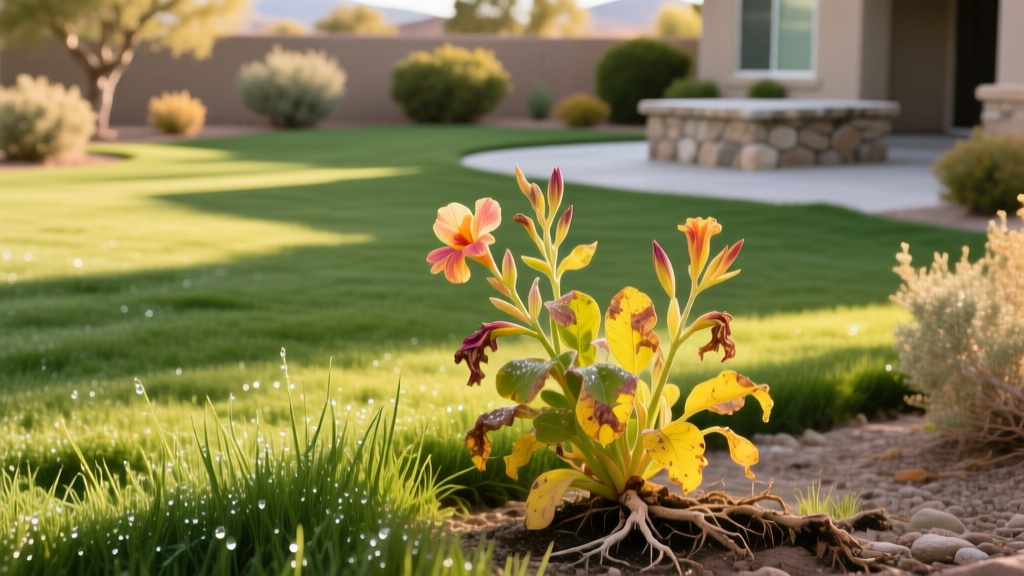
Diagnosing Nevada Flower Problems: Fixing Wilting, Rot & Chlorosis
The Unique Pathology of High Desert Cultivation
Cultivating a successful Nevada flower garden requires overcoming a hostile edaphic and climatic environment. Across USDA Hardiness Zones 5 through 9, the state's high desert regions feature intense solar radiation, extreme diurnal temperature shifts, and soils dominated by heavy clay and caliche hardpans. When native species like the Desert Marigold (Baileya multiradiata), Desert Globemallow (Sphaeralcea ambigua), or the iconic state flower, Big Sagebrush (Artemisia tridentata), begin to fail, the symptoms often mimic one another. Misdiagnosing heat stress as drought, or treating alkaline-induced nutrient lockout with standard fertilizers, will rapidly kill xeric plants.
This diagnostic guide isolates the three most frequent physiological failures in Nevada flower beds and provides exact, field-tested remediation protocols.
Primary Diagnostic Matrix: Symptom to Solution
| Visual Symptom | Primary Pathological Cause | Immediate Corrective Action |
|---|---|---|
| Leaves turn pale yellow; veins remain dark green. New growth affected first. | Iron Chlorosis (High soil pH locking out micronutrients) | Apply Fe-EDDHA chelated iron drench; avoid iron sulfate. |
| Sudden wilting despite moist soil; black/brown mushy stem base. | Phytophthora Root/Crown Rot (Water trapped by caliche hardpan) | Excavate soil from crown; apply gypsum; switch to deep, infrequent watering. |
| Leaves curl inward and droop at 2:00 PM, but recover by dawn. | Physiological Heat Wilt (Transpiration exceeding root uptake) | No action required; verify soil moisture with a 6-inch probe before watering. |
| Leaf margins turn crispy and brown; bleached patches on south-facing foliage. | Solar Scorch / Wind Desiccation | Install 30% shade cloth during July-August; apply 2-inch decomposed granite mulch. |
Treating Iron Chlorosis in Alkaline Soils
The most pervasive issue facing any Nevada flower is iron chlorosis. Native desert soils routinely test between 7.5 and 8.5 on the pH scale. At this high alkalinity, iron oxidizes into an insoluble form that plant roots cannot absorb, regardless of how much iron is naturally present in the soil matrix.
Why Standard Iron Supplements Fail
Homeowners frequently purchase standard iron sulfate (ferrous sulfate) from big-box stores. In Nevada's alkaline caliche, iron sulfate binds with calcium carbonate within hours, rendering it completely useless. To bypass this chemical lockout, you must use a chelated iron formulated specifically for high-pH soils.
Expert Specification: Look for products containing Fe-EDDHA (such as Sprint 138 or Sequestrene 138). EDDHA is the only chelating agent that remains stable in soils with a pH above 7.5. Fe-EDTA and Fe-DTPA will fail in Nevada conditions.
Application Protocol: Mix 1 tablespoon of Fe-EDDHA per gallon of water. Drench the root zone of the affected Nevada flower, ensuring the liquid penetrates at least 8 inches deep. Repeat every 21 days during the active spring growth flush until foliage regains its chlorophyll-green coloration.
Overcoming Caliche Hardpans and Root Asphyxiation
Beneath the top few inches of desert topsoil lies caliche—a concrete-like layer of soil particles cemented together by calcium carbonate. When planting a new Nevada flower, gardeners often dig a hole through the caliche, creating a 'bathtub' effect. Irrigation water fills the loose backfill but cannot drain through the caliche floor, drowning the roots and inviting fatal fungal pathogens.
The Gypsum Remediation Strategy
According to soil management guidelines from the University of Nevada, Reno Extension, breaking up heavy clay and sodium-rich hardpans requires chemical displacement. Elemental sulfur takes years to react, making it impractical for immediate rescue. Instead, use agricultural gypsum (calcium sulfate).
- Test Drainage: Fill your empty planting hole with water. If it drains slower than 1 inch per hour, you have a caliche restriction.
- Mechanical Fracturing: Use a masonry drill bit or digging bar to punch 12-inch deep holes through the caliche layer at the bottom of the planting zone to create drainage chimneys.
- Chemical Amendment: Apply gypsum at a rate of 40 lbs per 1,000 square feet. The calcium ions will displace sodium ions on the clay particles, causing the soil structure to flocculate (crumble) and open up pore spaces for oxygen and water.
- Elevate the Crown: Plant the root ball 2 inches above the surrounding grade to ensure the crown never sits in pooled water.
Differentiating Heat Wilt from True Drought
Xeric Nevada flowers possess specialized stomata that close during the peak heat of the afternoon to prevent fatal moisture loss. When a Desert Globemallow droops at 3:00 PM in 105°F heat with 10% humidity, it is exhibiting physiological wilt, not necessarily soil dryness. Watering a plant in this state leads directly to the root rot scenarios outlined above.
The 6-Inch Screwdriver Test
Never water based on visual wilting alone. Take a standard 6-inch flathead screwdriver and push it into the soil near the plant's drip line.
- If the metal shaft slides in easily and comes out with moist soil clinging to it, the plant has adequate water and is simply heat-stressed. Do not water.
- If the screwdriver meets heavy resistance and the tip is dry and dusty, the plant requires a deep, slow soak via a drip emitter rated at 1 gallon per hour (GPH) for 4 to 6 hours.
Warning: Wood Mulch vs. Decomposed Granite
Avoid using shredded wood or bark mulch around the base of native Nevada flowers. In low-humidity, high-alkalinity environments, wood mulch retains excess moisture directly against the plant crown, harboring Phytophthora and Fusarium fungi. Furthermore, wood mulch ties up surface nitrogen as it decomposes. Instead, use a 2-inch layer of 3/8-inch Decomposed Granite (DG). DG suppresses weeds, reflects excess heat, allows rapid water infiltration, and keeps the plant's crown perfectly dry.
Avoid using shredded wood or bark mulch around the base of native Nevada flowers. In low-humidity, high-alkalinity environments, wood mulch retains excess moisture directly against the plant crown, harboring Phytophthora and Fusarium fungi. Furthermore, wood mulch ties up surface nitrogen as it decomposes. Instead, use a 2-inch layer of 3/8-inch Decomposed Granite (DG). DG suppresses weeds, reflects excess heat, allows rapid water infiltration, and keeps the plant's crown perfectly dry.
Seasonal Maintenance for Long-Term Vigor
Successfully growing flowers in Nevada requires aligning maintenance with the desert's bimodal rainfall and temperature cycles. The Lady Bird Johnson Wildflower Center emphasizes that native desert flora rely on distinct dormancy periods to survive extreme summers.
Spring and Fall Feeding
Avoid high-nitrogen synthetic fertilizers (like 20-10-10), which force rapid, weak, succulent growth that aphids and spider mites will immediately decimate. Instead, top-dress beds in early March and late October with a 1/2-inch layer of screened compost mixed with a slow-release, low-phosphorus organic fertilizer (such as a 4-4-4 kelp and feather meal blend). This feeds the soil microbiome, which in turn unlocks bound nutrients for the plant's root hairs.
Strategic Pruning
For woody perennials like the state flower, Big Sagebrush, never prune in late fall. Exposed cuts will suffer severe winter desiccation from freezing, dry winds. Wait until late February or early March, just before the spring flush, to remove dead wood and shape the plant. Limit pruning to the top one-third of the foliage; cutting into the old, leafless wood of a sagebrush will often kill the branch entirely, as dormant buds in the lower woody stems struggle to break.

