
Gardening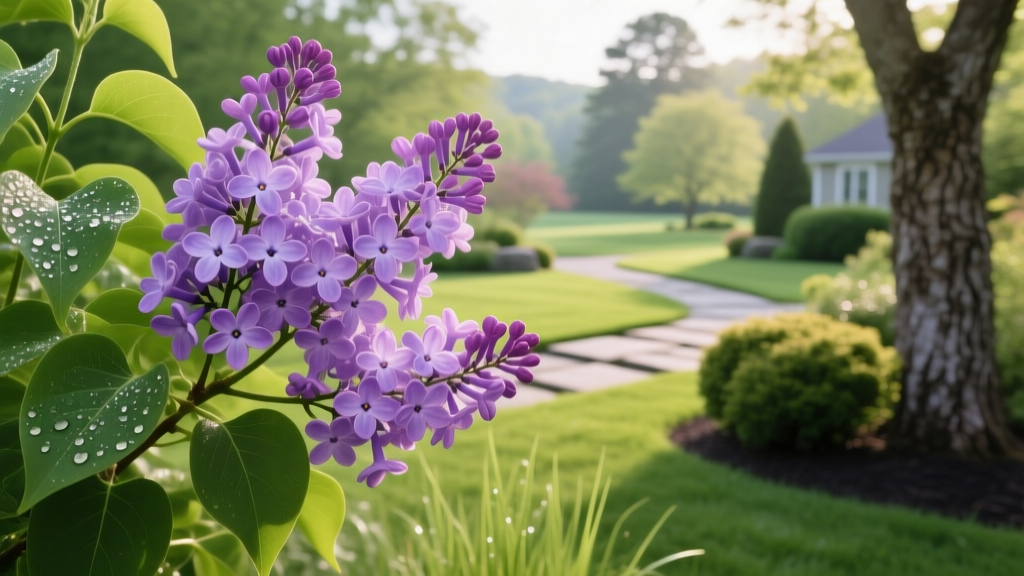
What is the New Hampshire State Flower? A Guide to Purple Lilacs
Identifying the New Hampshire State Flower
If you are researching what is the New Hampshire state flower, the answer is the purple lilac (Syringa vulgaris). Known for its intense fragrance and rugged cold tolerance, the purple lilac perfectly encapsulates the resilient character of the Granite State. While it is not native to North America—originating instead from the Balkan Peninsula in Europe—it has naturalized extensively across New England and remains a cornerstone of northern heritage gardens.
Unlike delicate annuals that require constant replanting, Syringa vulgaris is a deciduous shrub capable of living for over a century. Many homesteads in New Hampshire feature lilac shrubs that were planted in the 18th and 19th centuries, still producing vigorous blooms today. Understanding its botanical traits is the first step to successfully integrating this historic plant into your own landscape.
Botanical Profile and Identification Traits
| Characteristic | Specification |
|---|---|
| Scientific Name | Syringa vulgaris |
| Plant Family | Oleaceae (Olive Family) |
| USDA Hardiness Zones | 3 through 7 |
| Mature Dimensions | 8 to 15 feet tall; 6 to 12 feet wide |
| Leaf Structure | Simple, opposite, heart-shaped (cordate), 2-5 inches long |
| Bloom Window | Mid-May to early June (varies by microclimate) |
| Chill Requirement | Minimum 800 hours below 40°F (4°C) to set buds |
The Legislative History of the Purple Lilac
The purple lilac was officially adopted as the state flower on February 11, 1919. According to the New Hampshire Revised Statutes Annotated (RSA 3:1), the legislation was passed because the flower 'is symbolic of that hardy character of the men and women of the Granite State.'
Interestingly, the lilac's status was not permanently secured upon its initial adoption. In 1939, a legislative movement attempted to repeal the lilac and replace it with the purple aster, arguing that the aster was a native wildflower while the lilac was an imported European species. The debate raged in the statehouse, but the purple lilac ultimately retained its title, proving its deep cultural roots among New Hampshire residents. Today, horticulturalists and heritage gardeners continue to champion the lilac not just for its history, but for its critical role in supporting early-season pollinators.
Expert Insight: While the common purple lilac is the official state symbol, the International Lilac Society recognizes over 2,000 cultivars of Syringa. If you are looking for alternatives with similar hardiness but different bloom colors, consider Syringa vulgaris 'Sensation' (deep purple with white edges) or 'Charles Joly' (double magenta).
Cultivating Syringa vulgaris: Site and Soil Requirements
Growing a state-symbol-worthy lilac requires precise attention to soil chemistry and solar exposure. Lilacs are notoriously finicky about their root environment, and failing to meet their baseline requirements is the primary reason gardeners experience 'blind' shrubs (plants that grow foliage but refuse to bloom).
Solar Exposure and Airflow
Lilacs require a minimum of six to eight hours of direct, unfiltered sunlight daily. Planting them in the shadow of mature deciduous trees or on the north side of a multi-story home will result in leggy growth and severe fungal susceptibility. Furthermore, site selection must prioritize airflow. Stagnant, humid air trapped between structures invites powdery mildew. Space individual shrubs at least 8 feet apart to ensure cross-breezes can dry the foliage by mid-morning.
Soil Chemistry and pH Adjustments
The most critical metric for lilac cultivation is soil pH. Syringa vulgaris demands a neutral to slightly alkaline soil profile, thriving at a pH between 6.5 and 7.0. Because New Hampshire and much of the Northeast naturally feature acidic soils (often pH 4.5 to 5.5 due to pine needle decomposition and granite bedrock), active amendment is usually required.
- Testing: Use a digital soil probe or mail a sample to your local university extension office before planting.
- Amending: If your soil pH is below 6.5, apply pelletized calcitic limestone at a rate of 5 to 10 pounds per 100 square feet in the autumn. It takes roughly six months for lime to fully alter soil chemistry.
- Drainage: Lilacs will succumb to root rot (specifically Armillaria) in heavy, waterlogged clay. If your site has poor percolation, plant the shrub on a 12-inch raised berm or mound to elevate the root crown above the water table.
Pruning Protocols for Maximum Bloom Density
Lilacs bloom exclusively on 'old wood'—meaning the flower buds for the upcoming spring are formed during the previous summer. Pruning at the wrong time of year will completely erase the next season's display.
The 1/3 Renewal Pruning Method
Instead of shearing the tops of the shrub (which destroys flower buds and encourages weak, spindly water sprouts), use the 1/3 renewal method to maintain a vigorous, blooming shrub indefinitely:
- Timing: Prune strictly within the 14-day window immediately after the spring blooms fade and turn brown.
- Removal: Identify the thickest, oldest canes (usually over 2 inches in diameter with peeling, gray bark). Cut 1/3 of these oldest canes completely to the ground using a pruning saw.
- Deadheading: Snip off spent flower panicles just above the first set of leaves. This prevents the shrub from wasting caloric energy on producing woody seed pods.
- Sucker Management: Lilacs spread via root suckers. Dig out unwanted suckers with a sharp spade, ensuring you remove the fleshy root attachment; simply snapping them off at the soil line guarantees they will return.
Warning: Never apply high-nitrogen synthetic fertilizers (like standard lawn fertilizers with an N-P-K ratio of 30-0-10) near lilac root zones. Excess nitrogen forces rapid vegetative leaf growth at the direct expense of flower bud formation, and it softens the plant tissue, making it highly attractive to piercing-sucking insects.
Troubleshooting Common Lilac Pests and Pathogens
Even with optimal siting, Syringa vulgaris is susceptible to specific regional threats. Below is a diagnostic matrix for identifying and treating the most common issues found in Northeastern gardens.
| Threat | Visual Symptoms | Targeted Treatment |
|---|---|---|
| Powdery Mildew (Erysiphe syringae) |
White, talcum-powder-like coating on leaves in late summer; leaves may curl but rarely drop. | Apply horticultural neem oil or a potassium bicarbonate fungicide at the first sign of spores. Improve canopy airflow for long-term prevention. |
| Lilac Borer (Podosesia syringae) |
Sawdust-like frass at the base of canes; sudden wilting of individual branches; 1/8-inch exit holes in bark. | Apply a systemic imidacloprid soil drench in early spring before adult clearwing moths emerge to lay eggs. Remove and burn heavily infested canes. |
| Oystershell Scale (Lepidosaphes ulmi) |
Tiny, brown, oyster-shaped bumps encrusting the bark of older branches; yellowing foliage and dieback. | Scrub bark with a stiff brush during winter dormancy, then apply dormant horticultural oil in late March to smother overwintering nymphs. |
Companion Planting for a Pollinator-Friendly Border
To build a cohesive garden bed around your New Hampshire state flower, select companion plants that share the same alkaline soil preferences and full-sun requirements, while staggering the bloom times to provide continuous nectar for native bees and hummingbirds.
- Herbaceous Peonies (Paeonia lactiflora): Peonies bloom just as the lilacs are finishing, providing a seamless visual transition and heavy pollen loads for bumblebees.
- Siberian Iris (Iris sibirica): Tolerates the same cold winters and provides striking, sword-like vertical foliage that contrasts beautifully with the rounded, bushy habit of the lilac.
- Globe Allium (Allium giganteum): The towering purple spheres of allium echo the color palette of the lilac while deterring foraging deer and voles due to their high sulfur content.
- Catmint (Nepeta x faassenii): A low-growing, drought-tolerant groundcover that masks the sometimes bare, woody lower legs of mature lilac shrubs.
By understanding the specific soil chemistry, pruning mechanics, and historical significance of Syringa vulgaris, you can successfully cultivate the New Hampshire state flower in your own yard. Whether you are preserving a century-old heritage shrub or planting a bare-root sapling, adhering to these precise horticultural standards ensures a fragrant, vibrant display for decades to come.

