
Gardening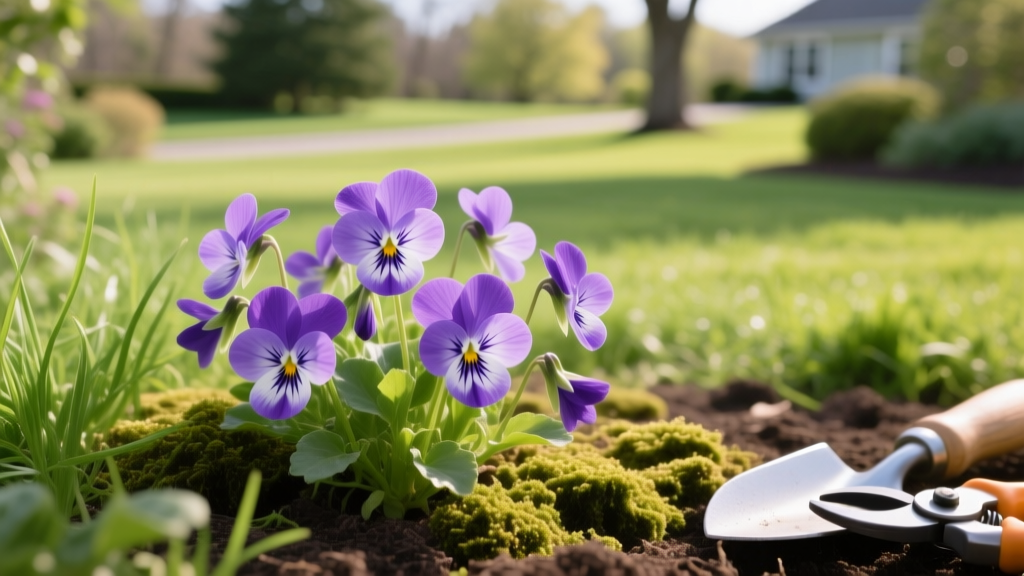
What Is the New Jersey State Flower? A Guide to the Common Blue Violet
What Is the New Jersey State Flower? The Common Blue Violet
If you are researching what is the new jersey state flower, the answer is the Common Blue Violet, scientifically classified as Viola sororia. While many people associate state flowers with cultivated roses or delicate lilies, New Jersey's official floral emblem is a hardy, native herbaceous perennial that carpets woodland floors and suburban lawns alike. Adopted officially in 1971, the violet represents the state's rich agricultural heritage and its diverse native ecosystems.
Unlike highly bred ornamental garden flowers, Viola sororia requires minimal intervention, thriving in the varied microclimates of the Garden State from the rocky ridges of the Highlands to the sandy soils of the Pine Barrens. For home gardeners, understanding the botanical mechanics and cultivation requirements of this native violet offers a pathway to establishing resilient, low-maintenance groundcovers that support local food webs.
Botanical Profile and Field Identification
Accurate identification of the Common Blue Violet requires looking beyond the obvious purple blooms. According to the USDA Plants Database, Viola sororia exhibits specific morphological traits that distinguish it from similar species like the Confused Violet (Viola missouriensis) or the Downy Yellow Violet (Viola pubescens).
| Botanical Characteristic | Specification for Viola sororia |
|---|---|
| Family | Violaceae (Violet Family) |
| Hardiness Zones | USDA Zones 3 through 7 (Tolerates Zone 8 with heavy shade) |
| Mature Spread | 6 to 12 inches per individual rosette; colonies spread indefinitely via rhizomes |
| Bloom Window | Mid-April to early June (Peak bloom typically aligns with mid-spring) |
| Leaf Morphology | Basal, heart-shaped (cordate), finely toothed margins, glabrous (hairless) surfaces |
| Soil pH Tolerance | 6.0 to 7.8 (Slightly acidic to slightly alkaline) |
The Dual-Flower Reproductive Strategy
One of the most fascinating aspects of the New Jersey state flower is its dual reproductive strategy, a vital detail for gardeners managing its spread. In early spring, the plant produces chasmogamous flowers—the showy, five-petaled purple blooms designed to attract cross-pollinating insects. These flowers feature two lateral petals, two upper petals, and one lower petal acting as a landing pad, complete with a white "beard" of hairs that guides pollinators toward the nectar spur.
Later in the summer, when pollinator activity wanes, the violet produces cleistogamous flowers. These are tiny, green, bud-like structures that remain closed and self-pollinate near the soil surface. They are highly efficient seed producers, ensuring the plant's genetic continuation even in poor environmental conditions. This mechanism is why violets can suddenly appear in mulch beds or lawn crevices far from the parent plant; the cleistogamous seed pods build up hydraulic pressure and physically eject seeds up to six feet away.
The History Behind New Jersey's Floral Emblem
The journey to becoming the official state flower was a lengthy legislative process driven by public sentiment. In 1897, the New Jersey State Assembly allowed schoolchildren to vote on a state flower. The violet won by a landslide, securing over 10,000 votes, vastly outpacing the carnation and the goldenrod. However, this popular vote did not immediately translate into law. It wasn't until 1971 that the state legislature formally codified the violet as the official floral emblem, as documented by the New Jersey State Library. The legislation specifically chose the generic term "violet" rather than a specific species, though botanists universally recognize the Common Blue Violet as the dominant native representative in the region.
Cultivating Violas in the Home Garden
While Viola sororia is often treated as a weed in highly manicured turfgrass, it is a premium native groundcover when intentionally cultivated in garden beds, rain gardens, or woodland borders.
Pro-Tip for Garden Placement: Never plant Common Blue Violets in formal, high-traffic perennial borders where their aggressive rhizomatous spread will outcompete delicate specimen plants. Instead, utilize them as a "living mulch" under deciduous trees, along shaded property lines, or in naturalized meadow edges where their early spring foliage prevents soil erosion.
Soil Preparation and Planting Protocol
Violets are highly adaptable to heavy clay soils, a common challenge in many New Jersey and mid-Atlantic gardens. However, to establish a vigorous colony quickly, amend the top 4 inches of native soil with composted leaf mold or finely shredded pine bark. Avoid using high-nitrogen synthetic fertilizers; excess nitrogen promotes excessive foliar growth at the expense of flower production and makes the leaves highly susceptible to powdery mildew.
When transplanting nursery plugs or divisions in early fall or early spring, space the rosettes 8 to 10 inches apart. Water deeply immediately after planting to settle the soil around the fleshy rhizomes, then reduce watering to once a week until the ground freezes.
Ecological Value: Supporting Local Food Webs
Planting the New Jersey state flower is a direct investment in local biodiversity. The Xerces Society for Invertebrate Conservation highlights native violets as critical early-season resources. Because they bloom before many canopy trees fully leaf out, they provide essential nectar and pollen to early-emerging native bees, such as mining bees (Andrena species) and sweat bees (Halictidae).
Furthermore, Viola sororia is the exclusive larval host plant for several species of Fritillary butterflies, including the Meadow Fritillary (Boloria bellona) and the Great Spangled Fritillary (Speyeria cybele). The adult butterflies lay their eggs near the violet colonies in late summer, and the caterpillars overwinter in the leaf litter, emerging in spring to feed exclusively on the newly unfurling violet leaves. Removing leaf litter in the fall directly destroys the next generation of these vital pollinators.
Troubleshooting Common Violet Pests and Diseases
Despite their hardiness, violets face specific pressures in the garden environment. Identifying these issues early prevents colony collapse.
- Variegated Fritillary Caterpillars: While these are beneficial pollinators in their adult stage, heavy infestations of caterpillars can defoliate a small violet patch in days. Action: Do not use pesticides. Plant a larger colony to absorb the feeding damage, or manually relocate caterpillars to wild violet patches in untended woodland edges.
- Slugs and Snails: These mollusks chew irregular, ragged holes in the heart-shaped leaves, particularly during damp spring nights. Action: Apply a ring of crushed eggshells or diatomaceous earth around the base of the rosettes, or use iron phosphate-based slug baits which are safe for pets and wildlife.
- Powdery Mildew: Manifests as a white, dusty coating on older leaves in late summer, usually caused by poor air circulation and high humidity. Action: Thin out overcrowded colonies by dividing the rhizomes in early fall. Avoid overhead watering; use drip irrigation or soaker hoses instead.
Frequently Asked Questions
Can I eat the New Jersey state flower?
Yes, both the leaves and the flowers of Viola sororia are edible and highly nutritious. The young spring leaves are rich in vitamins A and C and can be used raw in salads or cooked like spinach. The flowers are often used as edible garnishes or crystallized for cake decorating. However, never harvest from lawns treated with synthetic herbicides or pesticides, and avoid consuming the roots and rhizomes, which can cause severe gastrointestinal distress.
Will the Common Blue Violet take over my lawn?
In a traditional turfgrass lawn composed of Kentucky Bluegrass or Tall Fescue, violets will spread aggressively if the grass is weakened by soil compaction, shade, or low nitrogen. If you prefer a uniform turf, maintain a dense, healthy grass canopy mowed at 3 to 4 inches to shade out violet seedlings. Conversely, many eco-conscious homeowners are intentionally transitioning to mixed "clover and violet" lawns, which require less water, zero fertilizer, and provide continuous forage for pollinators.
Where can I buy authentic native Viola sororia?
Avoid big-box garden centers, which often sell highly cultivated, sterile hybrids or non-native European species (Viola odorata) mislabeled as native. Source your plants from specialized native plant nurseries, regional botanical garden plant sales, or organizations like the Native Plant Society of New Jersey. Look for plants grown from local ecotype seed to ensure they are genetically adapted to your specific regional climate and soil conditions.

