
Gardening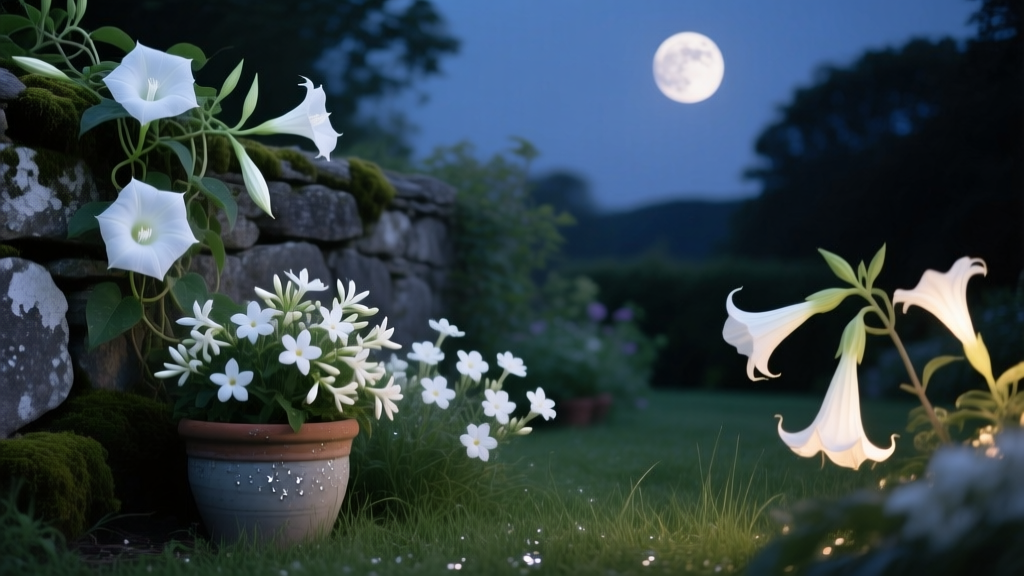
Best Night Flowers for a Moon Garden: Beginner Growing Guide
The Rise of the Moon Garden: Why Plant Night Flowers?
A moon garden relies on night flowers and silver-foliaged plants to create a sensory experience after dusk. Unlike daytime gardens that prioritize vibrant reds and yellows, night-blooming gardens focus on white and pale pastel blooms that reflect moonlight, coupled with heavy, sweet fragrances designed to attract nocturnal pollinators. For beginners, cultivating night flowers is highly rewarding because many of these species are vigorous growers that thrive in standard garden soil with minimal intervention once established.
According to the Old Farmer's Almanac, moon gardening is not just an aesthetic choice; it actively supports declining populations of sphinx moths and nectar-feeding bats. By shifting your gardening focus to the evening hours, you extend the usability of your outdoor space and create a vital ecological corridor for nighttime wildlife.
Top 5 Beginner-Friendly Night Flowers
Selecting the right species is critical. Many beginners make the mistake of choosing tropical night-bloomers that require greenhouse conditions. The following five night flowers are hardy, forgiving, and produce reliable blooms in most North American climates.
| Common Name | Botanical Name | Hardiness Zones | Fragrance Profile | Growth Habit |
|---|---|---|---|---|
| Moonflower | Ipomoea alba | 9-11 (Annual elsewhere) | Strong, sweet lemon | Vining (10-15 ft) |
| Evening Primrose | Oenothera biennis | 4-9 | Mild, citrus-sweet | Upright (3-5 ft) |
| Flowering Tobacco | Nicotiana alata | 10-11 (Annual elsewhere) | Intense jasmine-like | Mounding (1-2 ft) |
| Four O'Clocks | Mirabilis jalapa | 7-10 (Tuberous elsewhere) | Spicy, fruity | Bushy (2-3 ft) |
| Night-Blooming Jasmine | Cestrum nocturnum | 8-11 (Container elsewhere) | Overpowering, heavy | Shrub (4-8 ft) |
Pro Tip for Moonflower Seeds: Moonflower seeds have a notoriously hard outer shell. To achieve a 90%+ germination rate, nick the seed coat lightly with a nail file and soak the seeds in warm water for 24 hours before sowing them 1/4 inch deep in seed-starting mix.
Step-by-Step Soil and Site Preparation
Night flowers require the same fundamental daytime energy as diurnal plants. A common misconception is that these plants prefer shade. In reality, almost all night-blooming species require 6 to 8 hours of direct, unfiltered sunlight during the day to synthesize the energy required to push open heavy, fragrant blooms at dusk.
- Test and Adjust Soil pH: Night flowers thrive in slightly acidic to neutral soil. Use a digital soil meter to test your bed. The ideal pH range is 6.2 to 6.8. If your pH is above 7.2, apply elemental sulfur at a rate of 1 pound per 100 square feet to lower it gradually over the season.
- Amend for Drainage: Evening Primrose and Four O'Clocks will develop root rot in heavy, waterlogged clay. Mix 2 inches of coarse horticultural sand and 2 inches of organic compost (such as Black Kow or Miracle-Gro Nature's Care, typically priced around $15 for a 40-lb bag) into the top 8 inches of your native soil.
- Strategic Placement: Plant your most fragrant varieties, like Night-Blooming Jasmine and Flowering Tobacco, within 3 to 5 feet of your patio doors, walkways, or outdoor seating areas. Fragrance dissipates quickly in open, windy spaces; placing them near a fence or wall creates a microclimate that traps the scent.
Attracting and Protecting Nocturnal Pollinators
The primary pollinators for night flowers are sphinx moths, geometer moths, and nectar-feeding bats. The Xerces Society for Invertebrate Conservation emphasizes that nocturnal pollinators are highly sensitive to artificial light pollution, which disrupts their navigation and feeding patterns.
Lighting Rules for Moon Gardens
- Color Temperature: Never use cool white or daylight LEDs (4000K–5000K) near your moon garden. The blue spectrum mimics moonlight and confuses moths, causing them to circle lights until they die of exhaustion. Use only warm white or amber LEDs rated at 2700K or lower.
- Lumen Output: Keep pathway lighting under 100 lumens per fixture. Use fully shielded, downward-facing fixtures to prevent light spill into the plant canopy.
- Eliminate Bug Zappers: UV bug zappers indiscriminately kill the exact sphinx moths and beneficial lacewings your night flowers rely on. Replace them with mosquito dunks (Bti) in standing water to target pests without harming pollinators.
Troubleshooting Common Night Flower Failures
Even forgiving plants encounter issues. Use this diagnostic framework to correct problems before the peak blooming season ends.
Symptom: Buds form but fail to open
Cause: Insufficient daytime solar radiation or excessive nitrogen fertilizer. High nitrogen promotes leafy growth at the expense of bloom energy.
Fix: Relocate containers to full sun. Switch to a low-nitrogen, high-phosphorus liquid fertilizer (like a 5-10-5 NPK ratio) applied every 14 days.
Symptom: Flowers open but lack fragrance
Cause: Overwatering dilutes the essential oils responsible for scent, or the ambient evening temperature is too low (below 60°F).
Fix: Allow the top 2 inches of soil to dry out completely between waterings. Fragrance production in Cestrum nocturnum peaks when evening temperatures remain above 65°F.
Frequently Asked Questions
Can I grow night flowers in containers on a balcony?
Yes. Flowering Tobacco (Nicotiana alata) and Four O'Clocks are exceptional container candidates. Use a minimum 5-gallon pot with a well-draining potting mix amended with 10% perlite. Ensure the container has a drainage hole to prevent the tubers of the Four O'Clocks from rotting.
Are night-blooming flowers safe for pets?
Exercise caution. While Evening Primrose and Moonflowers are generally non-toxic to dogs and cats, Night-Blooming Jasmine (Cestrum nocturnum) and Angel's Trumpet (Brugmansia) contain toxic alkaloids. If you have pets that chew on foliage, stick to Moonflowers and Four O'Clocks, and avoid planting toxic shrubs in accessible areas.
When is the best time to plant night flower seeds?
Start seeds indoors 6 to 8 weeks before your region's last expected frost date. Transplant them outdoors only when nighttime soil temperatures consistently stay above 55°F. Direct sowing in the garden bed should wait until late spring when the soil has fully warmed.

