
Gardening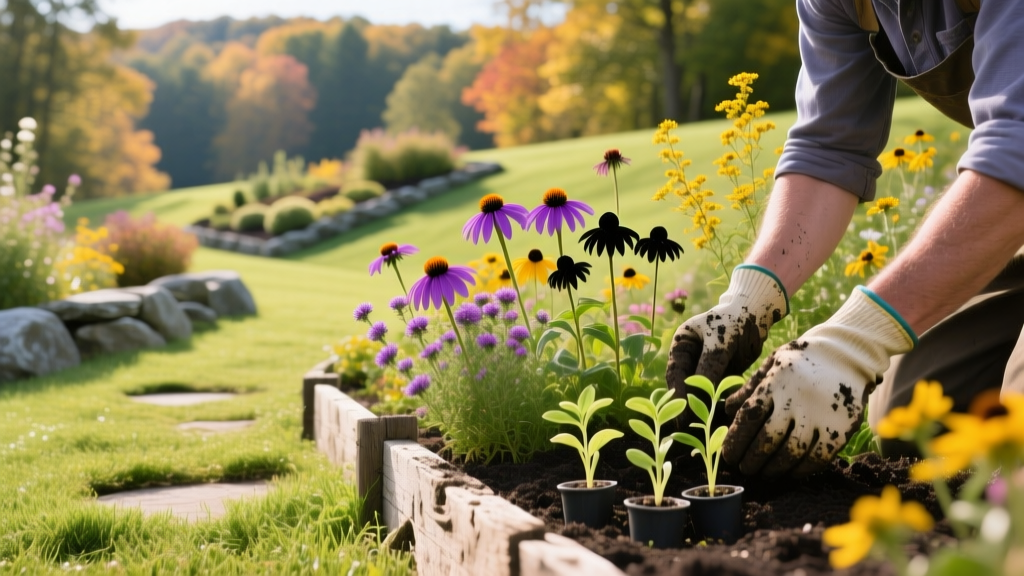
How to Grow Native Flowers of New York State: A Practical Guide
Understanding New York's Microclimates and Soil Profiles
Successfully cultivating the native flowers of New York state requires more than just dropping seeds in the dirt; it demands a precise understanding of the state's diverse microclimates and underlying geology. New York spans USDA Hardiness Zones 3b (in the Adirondack high peaks) to 7b (along the southern coast of Long Island). A plant that thrives in the sandy, acidic soils of the Pine Barrens will quickly succumb to root rot in the heavy, alkaline clay of the Niagara Frontier.
NY Soil & Zone Quick Reference
- Upstate / Western NY (Zones 4b-5b): Predominantly heavy glacial clay. Requires significant organic amendment and raised bed construction for optimal drainage.
- Hudson Valley / Capital Region (Zones 5b-6b): Mixed loam and shale. Generally the most forgiving soil profile for diverse native plantings.
- Long Island / Coastal (Zones 7a-7b): Sandy, fast-draining, and naturally acidic. Excellent for drought-tolerant species but requires heavy mulching to retain moisture.
Before purchasing any plants, submit a soil sample to your local Cornell Cooperative Extension office (typically a $20 fee). Request a standard nutrient analysis plus an organic matter percentage reading. Most native New York perennials prefer a soil pH between 6.0 and 6.8, and they actually perform poorly in highly fertilized soils with excess nitrogen, which promotes weak, floppy growth.
Step-by-Step Site Preparation for Native Beds
The most common failure point when establishing native flower beds is inadequate weed suppression. Native perennials invest their first year's energy into deep taproots rather than top growth, making them highly vulnerable to competition from aggressive non-native grasses and weeds.
- Smother the Existing Turf (6-8 Weeks Prior): Do not use chemical herbicides or rototillers, which bring dormant weed seeds to the surface and destroy soil structure. Instead, mow the grass as short as possible, lay down overlapping layers of uncoated cardboard, and wet it thoroughly.
- Apply a Compost Base: Spread a 2-inch layer of unscreened, aged leaf compost (not heavy manure or high-nitrogen fertilizers) directly over the cardboard. A cubic yard of bulk compost costs roughly $40-$50 and covers about 160 square feet at a 2-inch depth.
- Mulch the Surface: Add 3 inches of natural, undyed hardwood bark mulch. Avoid pine bark on Long Island where soils are already highly acidic, and avoid cypress mulch due to sustainability concerns.
- Wait and Plant: Allow the bed to sit for at least six weeks. The cardboard will decompose, the turf will die, and earthworms will naturally integrate the compost into the subsoil.
Top Flowers of New York State: Selection Matrix
When selecting the flowers of New York state for your garden, prioritize straight species or naturally occurring cultivars that retain their ecological value for local pollinators. According to the Xerces Society's New York Pollinator Conservation guide, double-petaled hybrids often produce zero nectar and inaccessible pollen.
| Common Name | Botanical Name / Cultivar | Mature Height | Spacing | Bloom Window | Moisture Need |
|---|---|---|---|---|---|
| New England Aster | Symphyotrichum novae-angliae 'Alma Pötschke' | 36-48 in. | 24 in. | Aug - Oct | Medium |
| Butterfly Weed | Asclepias tuberosa (Straight Species) | 18-24 in. | 18 in. | Jun - Aug | Dry/Medium |
| New York Ironweed | Vernonia noveboracensis | 48-72 in. | 30 in. | Jul - Sep | Medium/Wet |
| Cardinal Flower | Lobelia cardinalis | 36-48 in. | 18 in. | Jul - Sep | Wet |
| Wild Bergamot | Monarda fistulosa 'Claire Grace') | 24-36 in. | 24 in. | Jun - Aug | Dry/Medium |
Planting Protocol and Spacing Framework
Purchasing 32-cell deep-plug trays (typically $80-$120 per tray of 32 plants) is vastly superior to buying gallon pots for native perennials. Plugs establish faster, suffer less transplant shock, and develop deeper root systems. Follow this precise planting protocol:
- Timing: Plant in early-to-mid May (after the last frost date) or during the fall window between September 1 and October 15. Fall planting gives roots 6 weeks to establish before the ground freezes.
- Digging: Dig a hole exactly the depth of the plug's soil line. Never plant natives deeper than they were growing in the tray; burying the crown of an Echinacea or Asclepias will cause fatal crown rot.
- Root Teasing: If the plug is root-bound (roots circling the bottom of the cell), gently tease the bottom 1 inch of roots outward with your fingers to encourage lateral growth into the surrounding soil.
- Watering In: Water each plant immediately with 1 quart of water mixed with a mycorrhizal fungi inoculant (such as MycoGrow) to accelerate symbiotic root colonization.
Seasonal Maintenance and Troubleshooting
Native gardens require a paradigm shift in maintenance. The goal is ecological function, not manicured perfection. Consult Cornell University's Home Gardening resources for localized pest updates, but rely on these foundational seasonal rules:
Spring & Summer: The Establishment Phase
During the first growing season, native flowers require 1 inch of water per week. Use a rain gauge to track natural precipitation. Avoid all synthetic fertilizers. If you notice Japanese beetles (Popillia japonica), do not use systemic neonicotinoid insecticides, which will kill the very native bees you are trying to attract. Instead, hand-pick the beetles in the early morning when they are sluggish, dropping them into a jar of soapy water.
Fall & Winter: The "Leave the Stems" Mandate
CRITICAL WINTER WARNING: Do not cut back your native flower stalks in the fall. Species like New York Ironweed and Goldenrod provide essential winter seed for goldfinches, while the hollow stems serve as overwintering habitat for native solitary bees. Wait until early April, when daytime temperatures consistently hit 50°F, to cut stalks back to 12 inches, leaving the stubble to act as bee nesting sites.
Troubleshooting Common NY Native Diseases
- Aster Yellows: A phytoplasma disease spread by leafhoppers, causing distorted, green, leaf-like flowers on Echinacea and Asters. There is no cure. You must dig up and destroy (do not compost) the infected plants immediately to prevent spread.
- Powdery Mildew: Frequently affects Monarda didyma (Scarlet Bee Balm) in humid NY summers. Improve airflow by increasing spacing to 30 inches, or switch to the highly resistant Monarda fistulosa (Wild Bergamot).
Sourcing Authentic NY Ecotype Seeds and Plugs
The final, crucial step in growing the flowers of New York state is sourcing "local ecotypes." A Purple Coneflower grown from seed collected in North Carolina lacks the genetic cold-hardiness required to survive a Syracuse winter. When ordering from national suppliers like Prairie Moon Nursery, check their seed provenance maps and request northern-tier genetics. For plugs, seek out regional native plant sales hosted by local chapters of the New York Native Plant Society or specialized regional nurseries that propagate from locally collected wild seed. This genetic specificity ensures your garden will not only survive the harsh New York winters but will actively support the localized food web of your specific county.

