
Gardening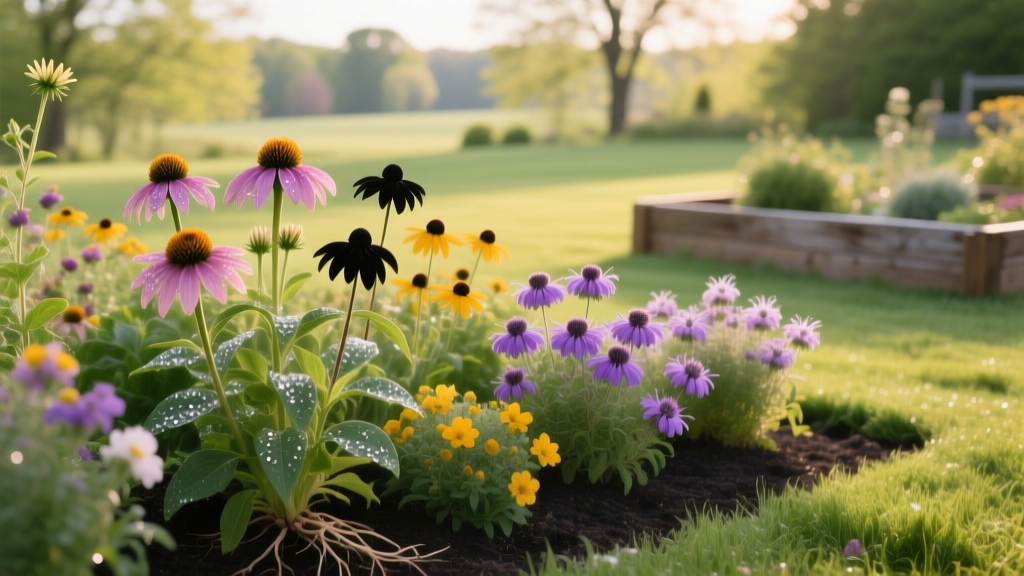
Ohio Perennial Flowers: A Seasonal Planting and Care Calendar
Navigating Ohio's Transitional Climate for Perennial Success
Growing Ohio perennial flowers requires a strategic approach to seasonal timing. Ohio sits in a unique transitional climate zone, characterized by humid continental weather patterns that bring unpredictable late-spring frosts and fluctuating winter freeze-thaw cycles. According to the updated USDA Plant Hardiness Zone Map, the state spans primarily from Zone 5b in the northern and eastern higher elevations to Zone 6b and 7a in the southern river valleys. This 15-degree temperature variance dictates not just what you can plant, but exactly when you must plant it to ensure deep root establishment before seasonal extremes hit.
Rather than relying on generic spring planting advice, successful Ohio gardeners use a localized seasonal calendar. This guide breaks down the exact soil temperatures, frost dates, and horticultural windows required to establish a thriving, low-maintenance perennial landscape in the Buckeye State.
Key Ohio Frost Date Averages:
• Last Spring Frost: April 20 (South) to May 15 (North/East)
• First Fall Frost: October 15 (North/East) to November 5 (South)
Note: Microclimates near Lake Erie or in urban heat islands (like downtown Columbus) can shift these dates by 1-2 weeks.
• Last Spring Frost: April 20 (South) to May 15 (North/East)
• First Fall Frost: October 15 (North/East) to November 5 (South)
Note: Microclimates near Lake Erie or in urban heat islands (like downtown Columbus) can shift these dates by 1-2 weeks.
Spring Planting Window: Soil Temperature Over Air Temperature
The most common mistake gardeners make with Ohio perennial flowers is planting based on the calendar date rather than soil temperature. While garden centers begin selling potted perennials in early April, the heavy, poorly drained clay soils prevalent across much of Ohio remain too cold and waterlogged for tender new roots.
Target Metrics for Spring Establishment
For bare-root perennials and early container transplants, you must wait until the soil temperature at a 4-inch depth consistently reads between 50°F and 55°F. In central Ohio, this typically occurs between late April and early May. Planting in 45°F soil stalls root metabolism and invites crown rot, particularly in moisture-retentive clay.
- Ideal Spring Candidates: Echinacea purpurea (Purple Coneflower), Rudbeckia hirta (Black-eyed Susan), and Salvia nemorosa.
- Soil Preparation: Ohio clay compacts easily. Do not amend planting holes with only peat moss, which creates a 'bathtub effect' that drowns roots. Instead, blend native soil with 20% expanded shale or coarse pine bark fines by volume to permanently improve drainage.
Summer Strategy: Maintenance and Moisture Management
June through August is generally a poor window for planting new perennials in Ohio. The combination of high humidity, intense UV exposure, and sporadic heavy thunderstorms puts immense transpiration stress on unestablished root systems. If you must plant during this window, rely exclusively on well-rooted 1-gallon or 2-gallon container stock, and commit to a strict hydration schedule.
'Perennials planted in Ohio summers require deep, infrequent watering to encourage roots to chase moisture downward through the heavy clay pan. Apply 1 inch of water per week, delivered in two half-inch sessions rather than daily light sprinklings.' — Ohio State University Extension Ohioline
Mid-Season Dividing and Deadheading
Summer is the optimal time to manage early-blooming Ohio natives. Once Baptisia australis (False Indigo) and early Iris sibirica finish blooming in late June, cut back the foliage by one-third to redirect energy into root reserves rather than seed production. This prevents the unsightly 'melting' out of the plant center during August heatwaves.
The Fall Planting Sweet Spot: The Golden Window
For Ohio perennial flowers, autumn is horticulturally superior to spring. The air is cooling, reducing transpiration stress, but the soil remains warm from the summer sun, promoting aggressive root growth. Roots will continue to expand until the soil temperature drops below 40°F.
Calculating Your Fall Deadline
To ensure perennials survive their first Ohio winter, they need a minimum of six to eight weeks of active root growth before the ground freezes solid.
The Formula: Take your local average first frost date and subtract 6 weeks.
Example: If your first frost is October 20, your absolute planting deadline is September 8. Planting asters or mums in late October is a guaranteed death sentence, as they will not anchor into the soil before winter heaving begins.
- Top Fall Planting Picks: Paeonia lactiflora (Peonies), Hosta cultivars, and Hemerocallis (Daylilies).
- Fertilization: Skip high-nitrogen synthetic fertilizers in the fall. Apply a top-dressing of 1/2 inch of compost to provide slow-release micronutrients without forcing vulnerable late-season top growth.
Seasonal Bloom Succession Matrix for Ohio Gardens
To maintain continuous color and support local pollinators, use this succession matrix tailored to Ohio's specific hardiness zones and native ecology. Data cross-referenced with the Lady Bird Johnson Wildflower Center native plant database.
| Botanical Name | Common Name | Ideal Planting Window | Bloom Season | Ohio Zone Suitability |
|---|---|---|---|---|
| Phlox divaricata | Woodland Phlox | Early Fall (Sept) | Mid-Spring | 5b - 7a |
| Echinacea purpurea | Purple Coneflower | Spring (May) or Fall | Summer to Early Fall | 5b - 7a |
| Asclepias tuberosa | Butterfly Weed | Late Spring (Soil >60°F) | Mid-Summer | 5b - 6b |
| Solidago rugosa | Fireworks Goldenrod | Late Summer / Early Fall | Late Fall | 5b - 7a |
Winter Dormancy: Preventing Frost Heaving
The greatest winter threat to Ohio perennial flowers is not the absolute low temperature, but frost heaving. Ohio's winter weather frequently fluctuates above and below freezing. This cycle causes the soil to expand and contract, literally pushing shallow-rooted perennials out of the ground and exposing their crowns to desiccating winds.
The Mulching Protocol
To prevent heaving, you must insulate the soil to keep it frozen consistently until spring.
Timing is critical: Do not apply winter mulch in October or early November. Wait until the ground has frozen hard, which typically occurs in late November or early December in central Ohio.
Material: Apply a 2-to-3-inch layer of shredded hardwood mulch or weed-free straw. Avoid whole leaves, which mat down and suffocate the crowns of evergreen perennials like Helleborus (Lenten Rose) and Bergenia.
Common Ohio Perennial Planting Mistakes to Avoid
- Amending Clay with Sand: Adding sand to heavy Ohio clay without adding organic matter creates a concrete-like matrix. Always use coarse organic compost or expanded shale.
- Late Fall Mums: Garden centers sell hardy mums in October, but planting them this late guarantees they will heave out of the ground and die. Treat late-planted mums as annuals, or keep them in pots and move them to an unheated garage for the winter.
- Ignoring Soil pH: Many Ohio soils, particularly near limestone bedrock in the west, are highly alkaline (pH 7.2+). Attempting to grow acid-loving perennials like Dictamnus albus (Gas Plant) or certain Geranium species without amending with elemental sulfur will result in severe iron chlorosis (yellowing leaves with green veins).
By aligning your planting schedule with Ohio's specific soil temperature shifts and frost dates, you transition your garden from a high-maintenance chore to a resilient, self-sustaining ecosystem. Respect the fall planting window, manage your clay soil drainage, and protect against winter heaving to ensure your perennial investments return vigorously year after year.

