
Gardening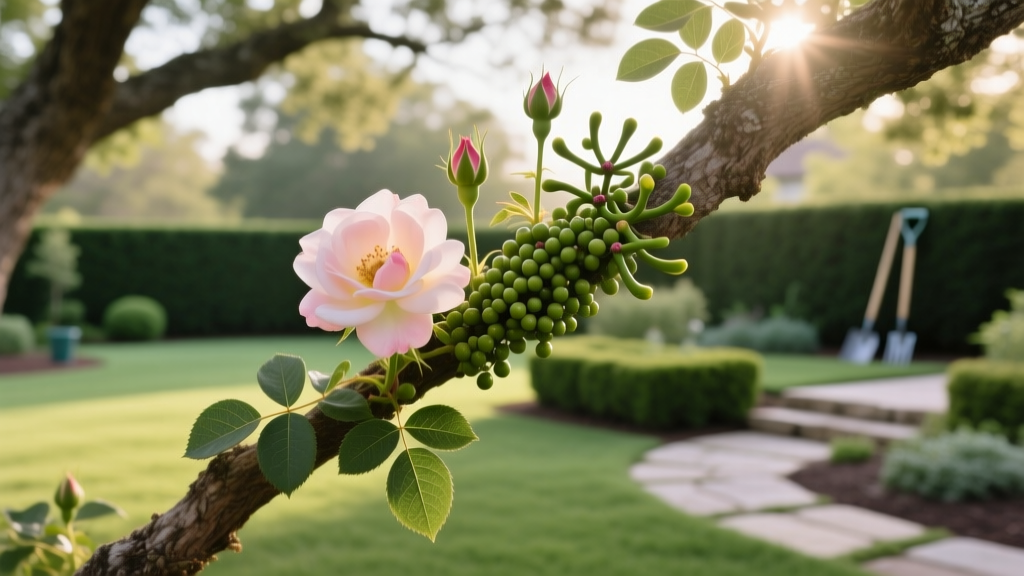
What is the Oklahoma State Flower? Mistletoe and Rose Identification
When researching what is the Oklahoma state flower, gardeners, botanists, and state history enthusiasts often encounter conflicting information. Unlike most states that claim a single floral representative, Oklahoma possesses a unique botanical trifecta. The official state flower is the Mistletoe (Phoradendron leucarpum), adopted in 1893 before Oklahoma even achieved statehood. However, the state legislature later designated the Oklahoma Rose as the state floral emblem in 2004, and the Indian Blanket as the state wildflower in 1986.
Understanding the distinction between these three plants is critical for regional gardeners, native plant cultivators, and anyone studying local horticulture. Below is a comprehensive identification and cultivation guide for Oklahoma's three official floral symbols, complete with botanical specifications, historical context, and actionable growing advice tailored to the region's updated USDA Plant Hardiness Zones (primarily 6b through 8a).
The Official State Flower: Mistletoe (Phoradendron leucarpum)
Long before the Oklahoma Rose was cultivated, early settlers and Native American tribes recognized the resilient green clumps of mistletoe thriving in the barren winter canopy. According to the Oklahoma Historical Society, the territorial legislature adopted mistletoe as the floral emblem in 1893, dubbing it the 'Flower of the South.' It was retained as the official state flower upon statehood in 1907.
Botanical Identification and Ecology
American mistletoe is a hemiparasitic evergreen shrub. Unlike fully parasitic plants that lack chlorophyll, Phoradendron leucarpum contains chlorophyll and performs photosynthesis. However, it relies on its host tree—typically elm, hackberry, pecan, or oak—for water and essential minerals. It penetrates the host's bark using a specialized root structure called a haustorium, tapping directly into the xylem.
- Leaves: Thick, leathery, opposite, and oval-shaped (1 to 2 inches long).
- Berries: Small, semi-translucent white drupes containing seeds coated in viscin, a highly adhesive substance that ensures seeds stick to tree branches after being excreted by foraging birds.
- Blooming Cycle: Flowers are inconspicuous, blooming in late summer, with berries ripening by late November.
⚠️ Toxicity Warning: While a staple of holiday folklore, mistletoe berries contain phoratoxins and are highly toxic to humans, dogs, and cats. Ingestion can cause severe gastrointestinal distress, cardiovascular issues, and in rare cases, fatal complications. Never use foraged wild mistletoe in areas accessible to pets or small children.
The State Floral Emblem: The Oklahoma Rose
For decades, horticulturalists and citizens lobbied for a more traditional, cultivable state flower. This effort culminated in 2004 when the legislature designated the Oklahoma Rose (Rosa 'Oklahoma') as the state floral emblem. This specific cultivar is a hybrid tea rose developed in 1964 by renowned hybridizers Herbert Swim and O. L. Weeks.
Cultivation and Care in Oklahoma Climates
The 'Oklahoma' rose is prized for its intense, velvety dark-red blooms and powerful, spicy-sweet fragrance. However, growing hybrid teas in Oklahoma's volatile climate—characterized by scorching, drought-prone summers and sudden winter freezes—requires precise horticultural management.
Soil and Planting Specifications
Oklahoma's native soils are often heavy clays with an alkaline pH. The Oklahoma Rose requires a slightly acidic to neutral soil pH between 6.0 and 6.5 to properly absorb iron and magnesium. Gardeners must amend heavy clay beds with 30% composted pine bark and apply elemental sulfur to lower the pH before planting. Bare-root roses should be planted in late February to early March, ensuring the graft union is buried 2 inches below the soil line to protect against freeze damage.
Disease Management
High humidity in eastern Oklahoma creates ideal conditions for Diplocarpon rosae (Black Spot). To prevent defoliation, implement a preventative fungicide spray schedule using chlorothalonil or myclobutanil every 10 to 14 days starting at bud break in April. Always water at the base of the plant using drip irrigation; overhead watering guarantees fungal proliferation.
| Parameter | Optimal Requirement |
|---|---|
| USDA Hardiness Zones | 5b to 9a (Requires winter mounding in Zone 5/6a) |
| Sun Exposure | Minimum 6 hours direct sun; afternoon shade recommended in Zone 8 |
| Soil pH | 6.0 - 6.5 |
| Mature Dimensions | 4 to 5 feet height, 3 feet spread |
| Bloom Cycle | Repeat blooming (May through October) |
The State Wildflower: Indian Blanket (Gaillardia pulchella)
Adopted in 1986, the Indian Blanket (also known as Firewheel or Blanket Flower) represents Oklahoma's native prairie ecosystems. According to the USDA Plants Database, Gaillardia pulchella is a highly adaptable annual or short-lived perennial native to the central plains.
Xeriscaping and Pollinator Applications
For modern gardeners focusing on water conservation and pollinator support, the Indian Blanket is vastly superior to traditional ornamentals. It thrives in poor, sandy, or rocky soils with a pH ranging from 6.8 to 7.5. Its deep taproot allows it to survive severe summer droughts without supplemental irrigation once established.
The vibrant bi-colored petals—crimson at the base transitioning to bright yellow at the tips—act as a visual beacon for native sweat bees (Halictidae) and honeybees. Furthermore, Gaillardia exhibits mild allelopathic properties, releasing biochemicals from its root system that naturally suppress the germination of competing invasive weeds, making it an excellent choice for low-maintenance meadow borders.
'Cultivation Tip: To maximize the bloom period of Indian Blanket from June through September, deadhead spent flowers by cutting the stem back to the nearest lateral leaf node. However, cease deadheading in late August to allow seed heads to mature, providing a critical winter food source for American goldfinches.'
Comparison Matrix: Oklahoma's Three Floral Symbols
To summarize the distinct roles these three plants play in Oklahoma's botanical identity, refer to the comparison matrix below:
| Feature | Mistletoe (State Flower) | Oklahoma Rose (Floral Emblem) | Indian Blanket (Wildflower) |
|---|---|---|---|
| Year Adopted | 1893 (Territorial) | 2004 | 1986 |
| Plant Type | Hemiparasitic Evergreen Shrub | Deciduous Hybrid Tea Shrub | Annual / Short-lived Perennial |
| Garden Use | None (Wild/Parasitic) | Formal beds, cut flowers | Xeriscaping, pollinator meadows |
| Water Needs | Extracts from host tree | High (1-1.5 inches/week) | Very Low (Drought tolerant) |
Frequently Asked Questions
Can I grow mistletoe in my home garden?
No. Mistletoe cannot be grown in soil. It requires a living host tree (such as a mature elm or pecan) to survive. Attempting to plant mistletoe seeds in the ground will result in immediate failure, as the seeds lack the endosperm reserves required for independent germination and rely entirely on penetrating a host's bark via the viscin-coated seed.
Where can I purchase authentic 'Oklahoma' rose bushes?
Because it is a patented and highly specific hybrid tea, the authentic Rosa 'Oklahoma' is best sourced from certified American Rose Society nurseries or specialized mail-order rose growers like Weeks Roses or Jackson & Perkins. Avoid generic 'red hybrid tea' labels at big-box stores, as these are often misidentified cultivars like 'Mr. Lincoln' or 'Chrysler Imperial'.
Does the Indian Blanket return every year?
In Oklahoma's climate, Gaillardia pulchella often behaves as an annual, but it is a prolific self-seeder. If you allow the final autumn blooms to drop seed, the plant will naturally re-emerge in the spring, creating the illusion of a perennial colony. For guaranteed perennial behavior, gardeners should seek out the hybrid Gaillardia x grandiflora cultivars like 'Arizona Sun' or 'Mesa Yellow'.

