
Gardening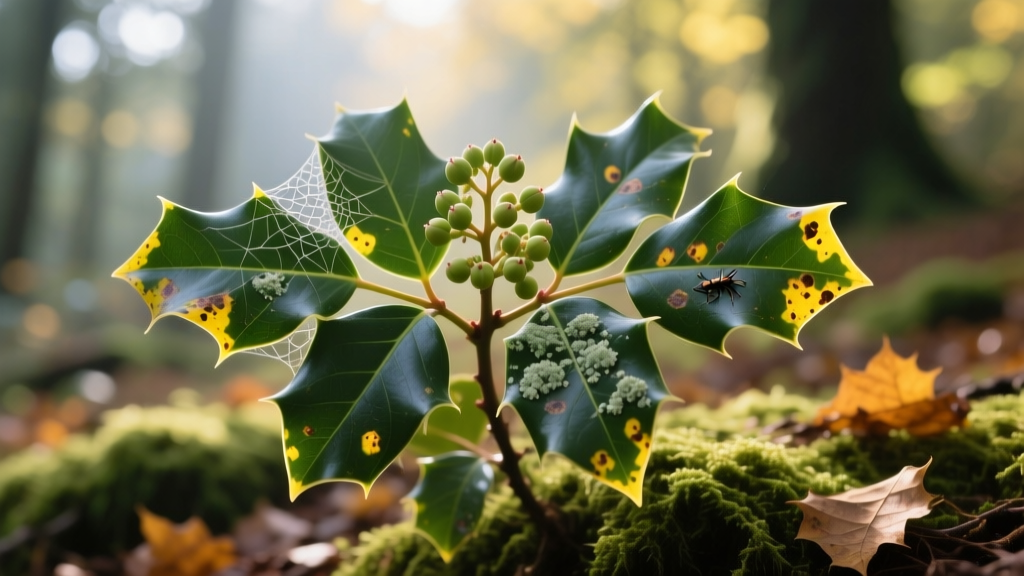
Oregon Flower (Oregon Grape): Diagnosing Common Leaf Problems
The Unique Challenges of Cultivating the Oregon Flower
The Oregon flower, universally recognized as the Oregon Grape (Mahonia aquifolium), is a resilient evergreen shrub native to the Pacific Northwest. Despite its hardiness, homeowners frequently encounter severe foliar decline when cultivating this state flower outside its immediate native understory microclimate. The primary issues rarely stem from pests; instead, they are physiological responses to improper light exposure, soil alkalinity, and seasonal fungal pressure.
With the increasing frequency of summer heat domes in the PNW through 2026, Mahonia aquifolium is experiencing unprecedented rates of desiccation and sunscald, even in its native range. Accurate diagnosis requires distinguishing between abiotic environmental stress and biotic pathogens. Below is a comprehensive diagnostic framework to identify and resolve the most common Oregon flower leaf problems.
Rapid Diagnostic Matrix: Symptom to Solution
Use this decision matrix to quickly identify the primary stressor affecting your Oregon Grape shrub based on visual foliar symptoms.
| Visual Symptom | Primary Trigger | Immediate Corrective Action |
|---|---|---|
| Brown, crispy leaf margins; bleached center patches | Abiotic Sunscald / Desiccation | Install 40% Aluminet shade cloth; increase deep-root watering to 1.5 inches weekly. |
| Yellowing leaves with distinct dark green veins | Iron Chlorosis (High Soil pH) | Apply chelated iron (Fe-EDDHA) soil drench; incorporate elemental sulfur. |
| White, powdery coating on new spring growth | Powdery Mildew (Erysiphe spp.) | Prune for 20% interior airflow; apply horticultural oil or potassium bicarbonate. |
| Orange-brown pustules on leaf undersides | Mahonia Rust (Puccinia spp.) | Remove infected foliage; apply preventive copper-based fungicide in early fall. |
Abiotic Stress: Managing Sunscald and Summer Desiccation
Oregon Grape is naturally an understory shrub, adapted to the dappled light of Douglas fir and Ponderosa pine canopies. When planted in full, unfiltered southern or western exposure, the leaves undergo photo-oxidative damage. The waxy cuticle breaks down, and transpiration rates exceed the root system's water uptake capacity, leading to irreversible tissue necrosis.
Warning: The 'Hosing Off' Myth
Do not attempt to cool sun-scorched Oregon Grape leaves by spraying them with water during peak afternoon heat. Water droplets act as magnifying lenses under intense UV radiation, accelerating tissue burn. Furthermore, wet foliage in the evening promotes fungal sporulation.
Protocol for Sunscald Recovery
- Shade Mitigation: Erect a temporary shade structure using 40% to 50% aluminet or black knit shade cloth. Position the cloth to block the harsh 1:00 PM to 5:00 PM western sun while allowing morning photosynthesis.
- Hydration Adjustment: Shift from frequent shallow watering to infrequent deep soaking. Apply 1.5 inches of water directly to the root zone (extending to the drip line) once every 7 to 10 days during summer months. Use a soil probe to verify moisture penetration to a depth of 12 inches.
- Mulching: Apply a 3-inch layer of arborist wood chips or shredded bark over the root zone, keeping it 2 inches away from the main trunk to prevent crown rot. This reduces soil surface evaporation by up to 70%.
Soil Chemistry: Reversing Iron Chlorosis in Alkaline Soils
If your Oregon flower is planted in Central or Eastern Oregon, or in heavily amended urban soils, it is likely suffering from iron chlorosis. Mahonia aquifolium requires an acidic soil pH between 5.5 and 6.5 to solubilize iron. When soil pH exceeds 7.0, iron becomes chemically locked in insoluble ferric compounds, rendering it unavailable to the plant regardless of total soil iron content.
The Two-Step Alkalinity Correction Strategy
Correcting chlorosis requires both an immediate foliar/root rescue and a long-term soil chemistry adjustment. According to soil management guidelines from the OSU Extension Master Gardener Program, altering soil pH is a slow biological process that requires precise amendments.
- Immediate Rescue (Chelated Iron): Standard iron sulfate will instantly precipitate in alkaline soils. You must use Fe-EDDHA (ethylenediamine-N,N'-bis(2-hydroxyphenylacetic acid)), which remains stable up to pH 9.0. Mix 2 ounces of Fe-EDDHA powder per gallon of water and apply as a soil drench directly beneath the drip line. Expect visible re-greening of new growth within 14 to 21 days.
- Long-Term Correction (Elemental Sulfur): To permanently lower the soil pH, apply pelletized elemental sulfur (90% purity). The application rate is highly dependent on soil texture. For loamy soils, apply 1.5 lbs per 100 square feet to lower the pH by one full point. Soil bacteria (Thiobacillus) must oxidize the sulfur into sulfuric acid, a process that takes 6 to 12 months. Retest soil pH every spring before reapplying.
Biotic Pathogens: Fungal Management in Wet Microclimates
In the Willamette Valley and coastal regions, prolonged spring moisture creates an ideal environment for foliar pathogens. The Pacific Northwest Plant Disease Management Handbook identifies Powdery Mildew and Mahonia Rust as the two primary biotic threats to the Oregon flower.
Powdery Mildew (Erysiphe spp.)
Unlike many fungi, powdery mildew does not require free water on the leaf surface to germinate; it thrives in high humidity with dry leaves, typically striking the tender new spring flush.
Expert Pruning Tip for Airflow
To prevent mildew, Oregon Grape requires structural pruning. Do not hedge-shear the exterior, which creates a dense, impenetrable outer shell that traps humidity. Instead, use bypass pruners to remove 20% of the oldest, thickest interior canes at the soil line every February. This 'vase-pruning' technique allows cross-breezes to dry the inner foliage rapidly after morning dew events.
Mahonia Rust (Puccinia spp.)
Rust presents as raised, orange-brown pustules on the undersides of older leaves. Heavy infections cause premature defoliation and weaken the shrub's winter hardiness.
- Sanitation: Rake and destroy all fallen foliage in November. Do not compost infected leaves, as home compost piles rarely reach the 145°F required to kill rust spores.
- Chemical Control: If rust is a recurring annual issue, apply a preventive copper-based fungicide (such as copper octanoate) in early September before the autumn rains begin. Reapply at 14-day intervals through November. Rotate with a chlorothalonil-based product the following year to prevent pathogen resistance.
Frequently Asked Diagnostic Questions
Why is my Oregon Grape dropping unripe, green berries in early summer?
Premature berry drop is almost exclusively a symptom of acute water stress during the fruit-setting phase (May-June). The plant aborts its reproductive effort to conserve moisture for vital vegetative tissue. Ensure the shrub receives consistent deep watering during this specific six-week window, even if spring rains appear adequate.
My shrub looks entirely dead after a harsh winter. Should I remove it?
Wait until mid-May before declaring the plant dead. Oregon Grape possesses latent buds along its lower woody canes that can take weeks to break dormancy after severe freezing events. Perform the 'scratch test': use a thumbnail to scrape the bark on lower canes. If the cambium layer underneath is bright green, the root system is alive. Cut all dead, brown wood back to 4 inches above the soil line, and the shrub will vigorously resprout from the base.
Is the Oregon flower susceptible to deer browsing?
Mahonia aquifolium is highly deer-resistant due to its rigid, holly-like spiny leaf margins and high alkaloid content. However, during extreme winter starvation periods or in areas with unusually high deer populations, they may strip the tender new spring growth before the spines fully harden. If this occurs, protect new flushes with a physical barrier of 4-foot chicken wire until late May.

