
Gardening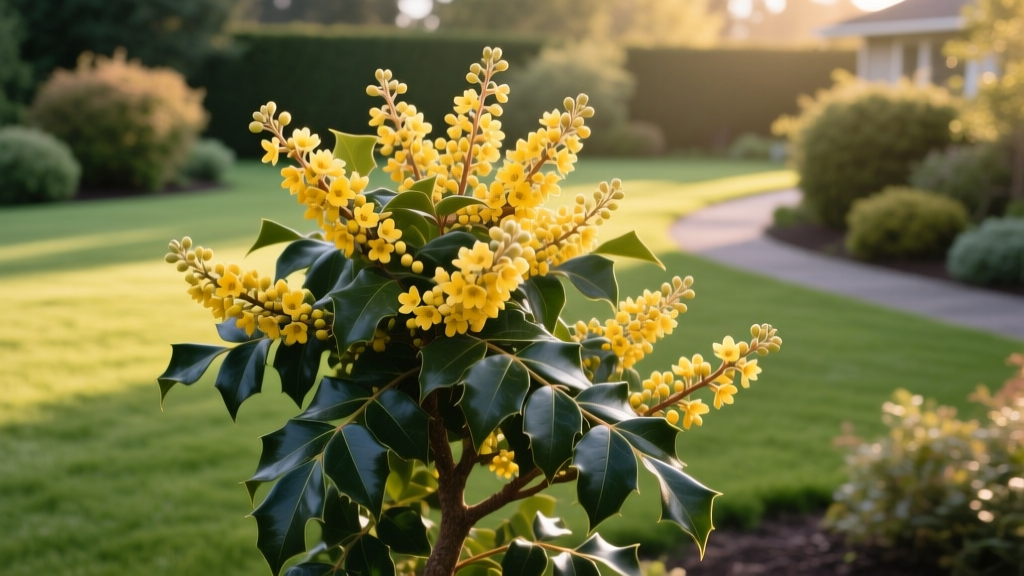
What Is the State Flower for Oregon? Identifying & Growing Mahonia
The Official State Flower of Oregon: Mahonia aquifolium
If you are researching native Pacific Northwest flora or asking what is the state flower for Oregon, the answer is the Oregon Grape (Mahonia aquifolium). Adopted as the official state flower by the Oregon Legislative Assembly in 1899, this resilient evergreen shrub was chosen over the showier rhododendron due to its deep historical ties to the state's pioneer heritage and its ubiquitous presence across the region's forested landscapes.
Beyond its symbolic status, the Oregon Grape is a cornerstone of native landscaping, offering year-round visual interest, exceptional drought tolerance once established, and critical early-spring nectar for native pollinators. This comprehensive identification and cultivation guide will equip you with the precise botanical data, soil parameters, and maintenance protocols required to successfully integrate this state symbol into your garden.
Botanical Reclassification Note: While Mahonia aquifolium remains the accepted name in horticultural commerce and the Oregon Encyclopedia, recent phylogenetic studies have led some taxonomists to reclassify the genus Mahonia into the Berberis genus. You may occasionally see it listed in academic literature as Berberis aquifolium. For nursery purchasing and landscaping purposes, Mahonia aquifolium is still the standard designation.
Botanical Identification: Recognizing the Oregon Grape
Accurate identification is crucial when sourcing native plants to avoid confusion with invasive lookalikes like English Holly (Ilex aquifolium). The Oregon Grape exhibits distinct morphological traits across all four seasons.
- Foliage: Pinnately compound leaves consisting of 5 to 13 leaflets. The leaflets are distinctly holly-like with spiny, toothed margins. New spring growth emerges in vibrant bronze or copper tones before maturing to a deep, glossy forest green.
- Winter Coloration: In response to cold temperatures and high UV exposure, the leaves produce anthocyanin pigments, turning a striking purplish-bronze. This is a natural protective mechanism, not a sign of nutrient deficiency.
- Flowers: Dense, terminal racemes of bright yellow, bell-shaped blooms appear from March to May. The flowers emit a faint, sweet fragrance and are highly attractive to early-emerging bumblebees.
- Fruit: By late summer, the plant produces clusters of globose, dark blue to purplish-black berries coated in a powdery white epicuticular wax (bloom).
Species Comparison: Tall vs. Creeping vs. Cascade
When selecting an Oregon Grape for your landscape, it is vital to choose the correct species for your spatial requirements. The Lady Bird Johnson Wildflower Center recognizes three primary native species utilized in Pacific Northwest horticulture. Use the matrix below to determine the best fit for your garden bed.
| Species | Common Name | Mature Height | Spread | Best Landscape Use |
|---|---|---|---|---|
| M. aquifolium | Tall Oregon Grape | 3 to 6 feet | 3 to 5 feet | Privacy screens, foundation planting, woodland borders |
| M. repens | Creeping Oregon Grape | 1 to 2 feet | 3 to 4 feet | Groundcover, erosion control, underplanting |
| M. nervosa | Cascade / Dwarf Oregon Grape | 1.5 to 3 feet | 2 to 3 feet | Shade gardens, tight spaces, rock gardens |
Cultivation & Soil Preparation Protocols
Successfully establishing Mahonia aquifolium requires replicating its native forest-edge conditions. The most common cause of failure in residential landscapes is improper soil pH and drainage.
Soil pH and Amendment Strategy
Oregon Grape thrives in slightly acidic soil with a pH between 5.0 and 6.5. In alkaline soils (pH above 7.0), the plant will suffer from iron chlorosis, characterized by yellowing leaves with green veins. Before planting, test your soil pH using a digital meter or lab kit.
- To lower pH: Incorporate elemental sulfur at a rate of 1 pound per 100 square feet to drop the pH by approximately 1.0 point. Mix this into the top 6 inches of soil three months prior to planting.
- Organic Matter: Amend the planting hole with ericaceous compost or finely milled pine bark to improve drainage and maintain acidity. Avoid using mushroom compost or manure-based blends, which are often too alkaline.
Light and Hydration Requirements
While highly adaptable, the ideal exposure is partial shade to dappled sunlight. In full sun, the foliage may scorch during peak summer heat, and the winter bronzing will be much more severe. During the first 12 to 18 months of establishment, provide 1 inch of water per week via deep, slow drip irrigation. Once the taproot and lateral root system are established (typically by year three), the plant exhibits exceptional drought tolerance and requires no supplemental summer watering.
Handling Warning: The spiny margins of the leaflets can easily puncture skin and snag clothing. Always wear heavy-duty leather gauntlet gloves and long sleeves when pruning or working around mature Mahonia specimens.
Pruning and Long-Term Maintenance
Oregon Grape requires minimal intervention, but strategic pruning maintains a dense, vigorous structure and prevents the center from becoming leggy and woody.
- Timing: Prune strictly in late spring, immediately after the flowering period concludes (usually late May or early June). Pruning in winter or early spring will remove the current year's flower buds.
- Renewal Pruning Method: Rather than shearing the plant into a formal hedge (which ruins its natural architectural form), use bypass loppers to remove one-third of the oldest, thickest canes at ground level each year.
- Rejuvenation: If a specimen has become severely overgrown or bare at the base, you can perform a hard reset by cutting all canes to 6 inches above the soil line in early spring. The plant will vigorously resprout from the root crown, though you will sacrifice blooms for one season.
Ecological Value and Pest Resistance
Integrating the state flower into your garden provides substantial ecological benefits. According to regional pollinator conservation data, Mahonia aquifolium is a critical early-season nectar source for queen bumblebees (Bombus spp.) emerging from hibernation when few other floral resources are available. Furthermore, the plant's tough, spiny foliage and alkaloid-rich tissues render it highly resistant to deer and elk browsing, making it an invaluable asset for rural and suburban gardens plagued by ungulate herbivory.
While generally pest-free, watch for Oregon Grape Rust (Cumminsiella mirabilissima), which causes small, dark reddish-brown pustules on the undersides of leaves. In severe cases, apply a copper-based fungicide at bud break, though improving air circulation through selective pruning is usually sufficient to manage the disease.
Frequently Asked Questions
Are Oregon Grape berries edible for humans?
Yes, the berries are edible but highly tart and astringent due to their high acid and tannin content. They are rarely eaten raw. Foragers typically harvest them in late summer and process them into jams, jellies, or syrups, requiring significant added sugar to balance the flavor. The inner bark and roots contain berberine, a compound historically used in herbal medicine, but should not be consumed without expert guidance.
Why is my Oregon Grape not flowering?
Failure to bloom is almost always caused by one of three factors: improper pruning (cutting off flower buds in late winter), insufficient light (deep shade limits energy production), or excessive nitrogen fertilizer, which promotes vegetative leaf growth at the expense of floral development. Cease fertilizing and ensure the plant receives at least 3 to 4 hours of dappled sunlight daily.
What is the cost of purchasing native Mahonia?
As of 2026, nursery pricing for Mahonia aquifolium averages $14 to $22 for a 1-gallon container, and $35 to $55 for a mature 5-gallon specimen. Always source from reputable native plant nurseries to ensure the genetic stock is adapted to local Pacific Northwest climatic conditions.

