
Gardening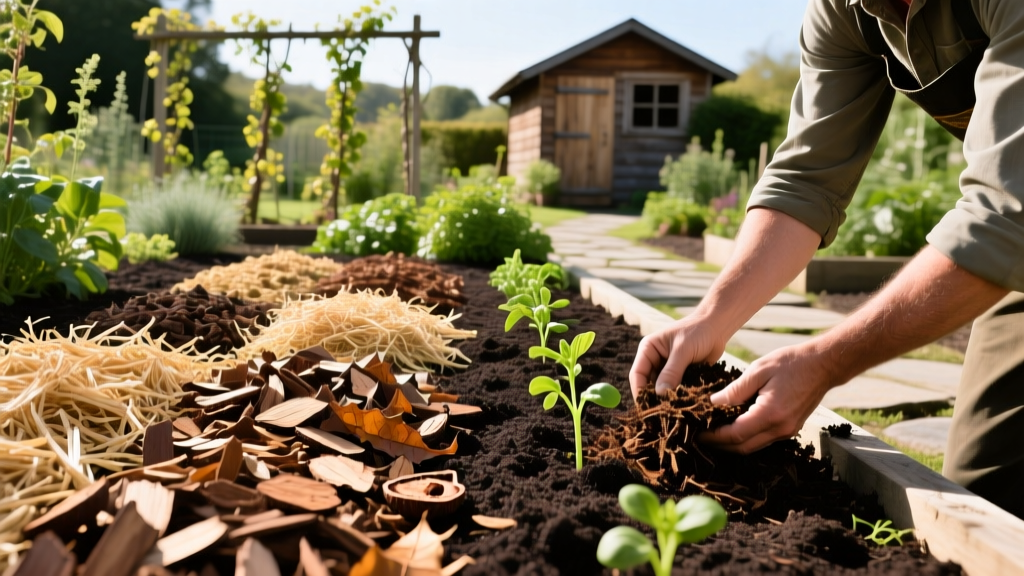
Best Mulch for Organic Garden Weed Control and Soil Building
The Mechanics of Chemical-Free Weed Suppression
Selecting the right mulch for organic garden weed control requires understanding the biological and physical barriers that prevent weed germination. In synthetic systems, gardeners rely on pre-emergent herbicides like trifluralin to disrupt weed seedling root development. In organic systems, mulch acts as a physical light barrier and a biological regulator. When applied at the correct depth, organic mulches block the photosynthetically active radiation (PAR) that triggers weed seed germination, while simultaneously fostering soil microbiology that outcompetes pathogenic fungi.
According to Penn State Extension, organic mulches also buffer soil temperature fluctuations, keeping root zones up to 8°F cooler in peak summer. However, not all mulches perform equally across different garden zones. Matching the carbon-to-nitrogen (C:N) ratio of your mulch to the specific nutrient demands of your plants is the cornerstone of chemical-free garden management.
Decision Matrix: Matching Mulch Type to Garden Zone
Applying a high-carbon mulch to a nitrogen-hungry vegetable bed can temporarily stunt plant growth, while using a high-nitrogen mulch on a perennial border can invite fungal diseases. Use this matrix to select the correct material.
| Mulch Type | C:N Ratio | Target Depth | Est. Cost (per 100 sq ft) | Best Application Zone |
|---|---|---|---|---|
| Wheat Straw | 80:1 | 3 - 4 inches | $6.00 - $9.00 | Vegetable beds, strawberries |
| Arborist Wood Chips | 100:1 to 150:1 | 4 - 6 inches | $0.00 (via ChipDrop) - $4.00 | Perennials, fruit trees, pathways |
| Grass Clippings (Dry) | 15:1 to 20:1 | 1 - 2 inches | Free (if herbicide-free) | Heavy feeders (corn, squash) |
| Shredded Hardwood | 400:1 | 2 - 3 inches | $8.00 - $12.00 | Ornamental borders, shrubs |
| Pine Needles | 60:1 to 110:1 | 3 - 4 inches | $5.00 - $8.00 | Acid-loving plants (blueberries) |
Zone 1: Annual Vegetables and Heavy Feeders
For annual vegetables, you need a mulch that breaks down rapidly to feed the soil food web without tying up nitrogen. Wheat straw is the superior choice here. It costs roughly $8 to $12 per bale (covering about 100-150 square feet at 3 inches deep). Unlike hay, which is packed with viable weed seeds, wheat straw is the hollow stalk left after grain harvest, making it virtually seed-free. Apply a 3-inch layer, keeping it 2 inches away from plant stems to prevent collar rot.
Zone 2: Perennials, Orchards, and Pathways
Perennials and fruit trees thrive under arborist wood chips. These chips contain a mix of wood, bark, and leaves, providing a diverse diet for mycorrhizal fungi. You can often source these for free using services like ChipDrop, which connects gardeners with local arborists looking to offload truckloads of chips. Apply a 4-to-6-inch layer. The coarse texture allows water infiltration while creating an impenetrable mat against deep-rooted perennial weeds like bindweed and thistle.
The 'Lasagna Method' for Eradicating Existing Weeds
If your garden is already overrun with aggressive weeds, simply applying mulch on top will not stop them. Bermuda grass, quackgrass, and nutsedge will easily penetrate standard mulch layers. To reclaim these areas organically, use the sheet mulching (Lasagna) method.
Organic Reclamation Protocol:
- Flatten the Weeds: Mow or weed-whack the existing vegetation as close to the soil as possible. Do not till; tilling brings dormant weed seeds to the surface.
- Lay the Barrier: Cover the area with plain, uncoated brown corrugated cardboard. Remove all plastic tape and glossy labels. Overlap the edges by at least 6 inches to prevent rhizomes from finding gaps.
- Hydrate the Barrier: Water the cardboard heavily until it is completely saturated and conforms to the soil contours.
- Add the Nutrient Layer: Spread a 2-inch layer of finished compost directly over the wet cardboard. This introduces the microbes needed to break down the cardboard and underlying weeds.
- Apply the Top Mulch: Finish with 4 inches of arborist wood chips or straw to protect the compost from UV degradation and wind erosion.
According to research compiled by Sustainable Agriculture Research and Education (SARE), this anaerobic barrier method effectively exhausts the energy reserves of perennial weed rhizomes within 8 to 12 weeks, eliminating the need for synthetic glyphosate applications.
Debunking the Nitrogen Tie-Up Myth
A persistent myth in gardening circles is that high-carbon mulches like wood chips will 'steal' nitrogen from the soil, causing plant leaves to turn yellow. This is a fundamental misunderstanding of soil chemistry.
The bacteria and fungi that break down carbon require nitrogen to do so. However, this nitrogen immobilization occurs only at the exact interface where the mulch touches the soil—typically the top 1 to 2 millimeters. Plant roots reside much deeper in the soil profile, far below this microscopic zone of decomposition. In fact, as the wood chips slowly break down from the bottom up, they release a slow, steady drip of nutrients, including nitrogen, back into the soil. The only time you should worry about nitrogen tie-up is if you mix raw wood chips or sawdust directly into the root zone, which you should never do.
Hidden Dangers: Mulches to Avoid in Organic Systems
Not all commercially available mulches are safe for an organic, chemical-free garden. Avoid these materials to protect your soil biology and local ecosystem.
Warning: Hazardous Mulch Materials
- Dyed Mulches (Red/Black): Often made from recycled construction waste (pallets, demolition lumber). They can leach heavy metals, chromated copper arsenate (CCA), and synthetic dyes into your soil.
- Rubber Mulch: Shredded tires leach zinc, cadmium, and BPA into the soil as they degrade under UV light. They also pose a severe fire hazard and offer zero biological value to the soil.
- Contaminated Grass Clippings: If the lawn was treated with persistent herbicides like aminopyralid or clopyralid, the clippings will carry those chemicals into your garden. These herbicides do not break down during composting and will cause severe twisting and stunting in sensitive crops like tomatoes, peppers, and beans.
- Cocoa Bean Hulls: While excellent for weed suppression and water retention, they contain theobromine and caffeine, which are highly toxic to dogs if ingested.
Optimizing Moisture Retention Without Smothering
The goal of mulch is to retain soil moisture, but applying it too thickly in poorly draining soils can lead to anaerobic conditions and root rot. For heavy clay soils, reduce your mulch depth by 25% compared to the recommendations in the matrix above. Conversely, in sandy soils where water percolates rapidly, increase the depth by 1 to 2 inches and prioritize finer mulches like shredded leaves or compost, which physically plug the macro-pores in the sand to slow water loss.
Frequently Asked Questions
Should I remove old mulch before applying new mulch?
No. Removing old mulch strips the soil of the organic matter and fungal networks it has built over the season. Instead, simply fluff the existing mulch with a rake to break up any hydrophobic crusts, and apply a fresh 1-to-2-inch top-dressing to replenish the depth.
Can I use pine needles for all my plants?
While pine needles (straw) are excellent for weed suppression, they are slightly acidic. They are best reserved for acid-loving plants like blueberries, azaleas, and strawberries. For neutral-pH vegetable beds, wheat straw or compost is a safer choice to prevent gradual soil acidification over multiple seasons.

