
Gardening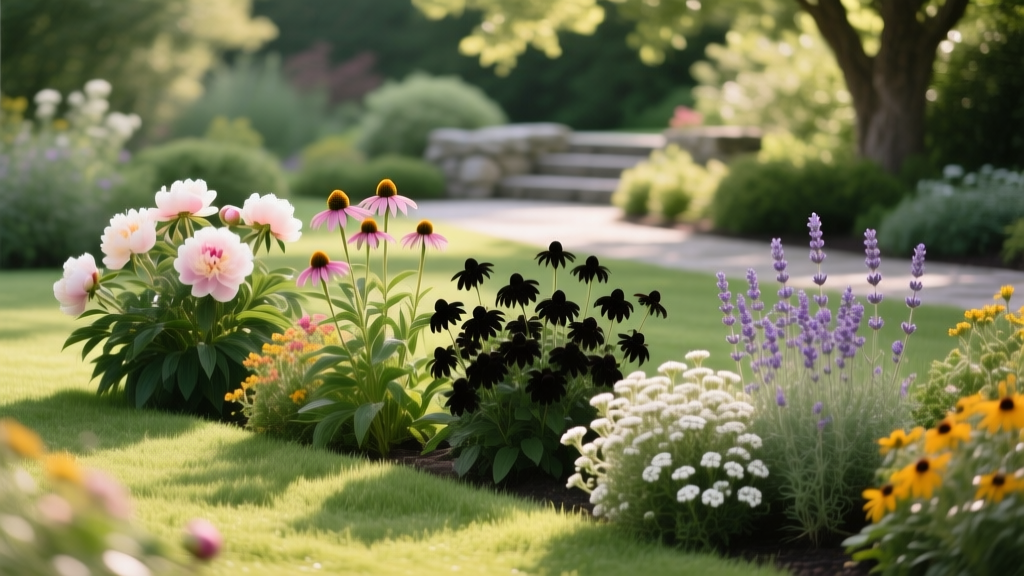
Perennial Flowers Pictures and Names: A Visual Planting Guide
Mastering Perennial Identification and Installation
Building a resilient, continuously blooming garden requires more than picking attractive plants at a nursery; it demands an understanding of botanical nomenclature, root structures, and precise site conditions. When searching for perennial flowers pictures and names, gardeners often rely on common names, which can lead to costly purchasing errors and failed plantings. A single common name like "Black-Eyed Susan" can refer to Rudbeckia hirta (a short-lived perennial often treated as an annual) or Rudbeckia fulgida (a true, long-lived perennial). This guide bridges the gap between visual identification and practical, horticulturally sound planting techniques.
Pro Tip: The Cultivar Distinction
When reading plant tags, look for the botanical name in italics followed by the cultivar name in single quotes. For example, Salvia nemorosa 'Caradonna' tells you the exact species and the specific bred variety, ensuring you get the dark purple stems and 24-inch mature height, rather than a generic seed-grown salvia that may flop over.
Spring-Blooming Perennials: Visual Cues and Planting Specs
Spring perennials establish their root systems during the cool, moist weeks of early spring. Identifying them correctly ensures you plant them at the right time and depth.
1. Lenten Rose (Helleborus orientalis)
Visual Identification: Look for thick, leathery, palmate leaves with serrated edges. The flowers are actually modified sepals that bloom in nodding clusters, ranging from dusky rose to pale green, often with dark speckling inside the throat.
- Mature Size: 18-24 inches tall and wide.
- Root Structure: Fleshy, brittle rhizomes.
- Planting Depth: The crown (where roots meet stems) must be planted exactly level with the soil surface. Planting even 0.5 inches too deep will inhibit blooming and invite crown rot.
- Soil Requirements: pH 6.5 to 7.5; requires excellent drainage. Amend heavy clay with 30% expanded shale or perlite.
2. Bleeding Heart (Dictamnus albus vs. Lamprocapnos spectabilis)
Visual guides often confuse these two. Lamprocapnos spectabilis (formerly Dicentra) features arching stems with dangling, heart-shaped pink and white flowers and fern-like foliage. It goes dormant in mid-summer. Dictamnus albus (Gas Plant) has upright, woody stems with lemon-scented, pinnate leaves and starry white or pink flowers. It remains structurally present all season.
- Spacing: Space Lamprocapnos 24 inches apart to allow for the arching spread. Space Dictamnus 30 inches apart; it develops a deep taproot and resents being moved once established.
Summer and Fall Powerhouses: Sun-Loving Perennials
These perennials form the backbone of the mid-to-late season garden. They require full sun (minimum 6-8 hours of direct, unfiltered light) to produce rigid stems and abundant blooms.
3. Coneflower (Echinacea purpurea)
Visual Identification: Drought-tolerant plants with coarse, dark green, lance-shaped leaves and large, daisy-like flowers featuring a prominent, spiky, orange-brown central cone. While native species have drooping purple petals, modern breeding has introduced cultivars like 'PowWow Wild Berry' (magenta, compact) and 'Cheyenne Spirit' (multi-colored).
- Planting Protocol: Dig a hole twice the width of the nursery pot but no deeper. Score the outer roots of the root ball with a hori-hori knife to prevent circling roots, which will eventually girdle and kill the plant.
- Fertilization: Avoid high-nitrogen fertilizers, which cause weak, floppy stems. Apply a single dose of 5-10-5 granular fertilizer at a rate of 1 lb per 100 square feet in early spring as shoots emerge.
4. Autumn Stonecrop (Hylotelephium 'Herbstfreude' / Autumn Joy)
Visual Identification: Succulent, fleshy, scalloped leaves arranged on sturdy, unbranched stems. Flowers start as pale pink, broccoli-like buds in late summer, maturing to deep copper-red by October.
- Pinching Schedule: To prevent the center of the clump from flopping open, pinch back the growing tips by 2 inches in late May (the "Memorial Day Pinch"). Do not pinch after mid-June, or you will remove the flower buds.
Step-by-Step Garden Installation Protocol
Proper installation dictates the longevity of your perennials. Follow this precise sequence to ensure high survival rates and vigorous first-year growth.
- Map the Microclimates: Track sunlight over a 12-hour period in late June. Note areas that receive reflected heat from south-facing walls or southern exposure driveways, as these zones will require drought-tolerant species like Perovskia atriplicifolia (Russian Sage).
- Conduct a Soil Test: Do not guess your soil pH or nutrient levels. Use a university extension mail-in soil test (typically $15-$20). This will provide exact lime and sulfur application rates to adjust your pH to the optimal 6.0-6.8 range for most perennials.
- Amend the Entire Bed, Not Just the Hole: A common fatal error is amending only the planting hole, creating a "bathtub effect" where water pools and drowns the roots. Spread 2 inches of high-quality, screened compost over the entire bed footprint and till or fork it into the top 6 inches of native soil.
- Stagger the Layout: Place nursery pots on the soil surface in a staggered, triangular grid pattern rather than straight rows. This mimics natural growth patterns and maximizes spatial efficiency.
- Watering In: Immediately after backfilling, apply 1 inch of water using a soaker hose or a watering wand with a breaker head to avoid displacing the soil. Keep the soil consistently moist (but not saturated) for the first 6 weeks while feeder roots establish.
Perennial Care and Spacing Matrix
Use this reference table to ensure proper spacing and cultural conditions. Crowding perennials reduces airflow, drastically increasing the incidence of foliar diseases like powdery mildew (Erysiphe spp.).
| Common Name | Botanical Name | Sun Exposure | Optimal Soil pH | Mature Spacing | Bloom Window |
|---|---|---|---|---|---|
| Coneflower | Echinacea purpurea | Full Sun (6+ hrs) | 6.0 - 7.0 | 18 - 24 inches | July - Sept |
| Catmint | Nepeta 'Walker's Low' | Full Sun | 6.5 - 7.5 | 24 - 30 inches | May - Sept (if sheared) |
| Coral Bells | Heuchera 'Palace Purple' | Part Shade (2-4 hrs) | 6.0 - 6.8 | 12 - 18 inches | June - July (foliage all season) |
| Black-Eyed Susan | Rudbeckia fulgida | Full Sun | 6.0 - 7.0 | 18 - 24 inches | July - Oct |
| Hosta | Hosta 'Sum and Substance' | Dappled Shade | 6.5 - 7.5 | 36 - 48 inches | July - Aug |
Troubleshooting Common Establishment Failures
Even with correct identification, perennials can fail if environmental stressors are mismanaged. According to the University of Minnesota Extension, the majority of first-year perennial losses are due to improper watering and planting depth.
Symptom: Plant Wilts Despite Wet Soil
Cause: Phytophthora or Pythium root rot, exacerbated by poor drainage or planting the crown below the soil line.
Fix: Carefully dig up the plant. If roots are brown, mushy, and smell foul, the plant is lost. If some white, firm feeder roots remain, trim the rot, dip the root ball in a copper-based fungicide, and replant 1 inch higher than the surrounding grade to improve surface runoff.
Symptom: Plant Heaves Out of the Ground in Spring
Cause: Winter heave caused by repeated freeze-thaw cycles pushing shallow-rooted perennials (like Heuchera and Scabiosa) out of the soil.
Fix: Do not push them back down, as this breaks newly formed spring feeder roots. Instead, gently mound a 50/50 mix of compost and topsoil around the exposed crown. To prevent this, apply a 2-inch layer of shredded hardwood mulch in late November after the ground has frozen, which insulates the soil and maintains a constant temperature.
Symptom: Floppy, Leggy Stems on Sun Perennials
Cause: Insufficient sunlight or excessive nitrogen. As noted by the Missouri Botanical Garden, many modern perennial cultivars are bred for compact habits, but they still require minimum light thresholds to maintain structural integrity.
Fix: Relocate the plant to a sunnier bed in early autumn. If moving is impossible, install peony rings or grid supports in early spring when the plants are only 4-6 inches tall, allowing the foliage to grow up and hide the metal framework.
End-of-Season Cleanup Warning
Do not cut back all perennials in late fall. Leave the seed heads of Echinacea, Rudbeckia, and Sedum standing through the winter. They provide critical overwintering food for goldfinches and chickadees, and their hollow stems serve as nesting sites for native solitary bees. Wait until late March, when daytime temperatures consistently reach 50°F, to cut back the dead foliage.

