
Gardening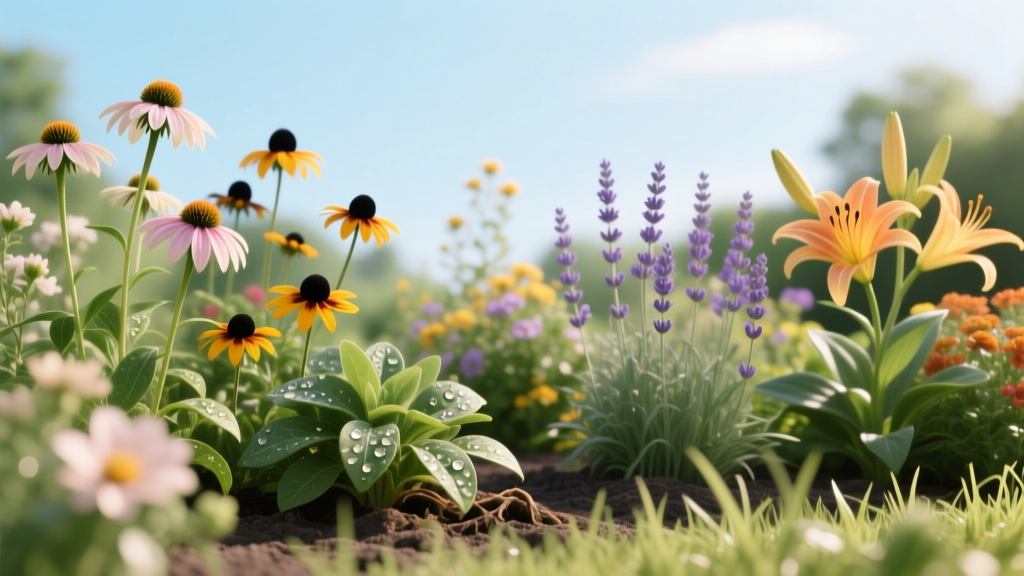
What Does Perennial Plant Mean? A Gardener's Identification Guide
The Botanical Definition: What Does Perennial Plant Mean?
At its core, when a gardener asks what does perennial plant mean, the botanical answer is straightforward: a perennial is any plant that lives for more than two years, surviving through multiple growing seasons and completing its reproductive cycles repeatedly. Unlike annuals, which exhaust their entire life cycle—from germination to seed production to death—in a single year, perennials invest heavily in persistent root systems and energy-storage organs that allow them to regenerate year after year.
However, the practical definition in home gardening is slightly more nuanced. When you buy a "perennial" at a nursery, you are usually purchasing an herbaceous perennial—a plant whose top growth dies back to the ground each winter, only to resurrect from its crown the following spring. Understanding the physiological mechanics of these plants is the first step to successfully identifying, siting, and cultivating them in your landscape.
Herbaceous vs. Woody: The Two Perennial Categories
To accurately identify perennials in the wild or the nursery, you must distinguish between the two primary structural categories:
1. Herbaceous Perennials
These plants lack persistent woody stems above ground. As autumn temperatures drop and photoperiods shorten, they trigger a process called senescence. Chlorophyll breaks down, and the plant translocates its remaining carbohydrates down into its root system. The above-ground foliage dies, but the crown (the intersection of root and shoot at the soil line) remains alive in a state of dormancy. Examples include Paeonia lactiflora (Peony), Echinacea purpurea (Coneflower), and Hosta species.
2. Woody Perennials
Trees, shrubs, and vines fall into this category. Their above-ground stems develop a protective layer of bark and secondary xylem (wood) that survives the winter. While they may drop their leaves (deciduous) or retain them (evergreen), the physical structure of the plant remains visible year-round.
Energy Storage Mechanics: How Perennials Survive Winter
The defining trait of a perennial is its subterranean survival strategy. According to research from the University of Minnesota Extension, a perennial's ability to return in spring relies entirely on specialized storage organs. When identifying an unknown plant, examining its root structure will immediately reveal its lifecycle:
- Taproots: A single, dominant, thick root that plunges deep into the soil profile to access moisture and store starches (e.g., Baptisia australis or False Indigo). These are highly drought-tolerant but despise being transplanted once established.
- Rhizomes: Horizontal, fleshy underground stems that grow just below the soil surface, producing new shoots and roots at nodes (e.g., Bearded Iris, Cannas). They allow the plant to colonize laterally.
- Tubers and Corms: Swollen, solid underground stems packed with carbohydrates (e.g., Daylilies, Crocus). They act as biological batteries, fueling the initial spring flush of foliage before photosynthesis can take over.
- Fibrous Root Masses: Dense, shallow networks that excel at preventing soil erosion and competing with weeds, common in ornamental grasses like Miscanthus.
Lifecycle Comparison Matrix
Understanding the economic and temporal differences between plant lifecycles helps gardeners allocate their budget and labor effectively.
| Characteristic | Annual | Biennial | Herbaceous Perennial |
|---|---|---|---|
| Lifespan | 1 Season (Months) | 2 Seasons (Veg then Bloom) | 3 to 50+ Years |
| Energy Allocation | 100% focused on rapid seed production | Year 1: Roots/Leaves; Year 2: Seeds | Balanced between root expansion and blooming |
| Winter Survival | Dies completely; relies on dropped seeds | Dies after seeding in year two | Dies back to crown/roots; regenerates |
| Bloom Duration | Continuous (Spring to Frost) | Single, massive flush in Year 2 | Short, specific windows (2-6 weeks typically) |
| Avg. Nursery Cost | $3 - $6 (4-inch pot) | $5 - $8 (1-gallon) | $15 - $35 (1-gallon to 2-gallon) |
Field Identification: How to Spot a Perennial
If you are foraging, identifying volunteers in your garden, or assessing a wild landscape, look for these morphological clues that indicate a plant is a perennial rather than an annual weed:
- Basal Rosettes: Many perennials (like Dandelion or Foxglove) form a low, circular cluster of leaves at the soil level. This protects the growing point from frost and grazing.
- Stem Base Texture: Snip the lowest inch of the stem. Annuals are typically hollow, succulent, and easily crushed. Perennials often have dense, fibrous, or slightly woody bases (even herbaceous ones like Lavender or Sage develop a woody caudex over time).
- Leaf Cuticle Thickness: Perennials must endure seasonal shifts, wind, and varying humidity. Their leaves often feature a thicker, waxier cuticle or fine trichomes (hairs) compared to the thin, delicate leaves of fast-growing annuals.
- Emergence Timing: In early spring, perennials are often the first to break ground, utilizing stored carbohydrates to push through cold soil before annual seeds have even germinated.
⚠️ Warning: The Invasive Perennial Threat
Because perennials are engineered for long-term survival and lateral expansion via rhizomes, they can become highly invasive if sited incorrectly. Plants like Japanese Knotweed (Reynoutria japonica), Mint (Mentha spp.), and Common Tansy will aggressively colonize lawns and garden beds. Always plant aggressive rhizomatous perennials in submerged, bottomless containers or dedicated isolation beds with physical root barriers extending at least 18 inches into the soil.
The Hardiness Zone Relativity Rule
One of the most critical concepts in perennial gardening is that perennial is a relative term. A plant's classification is entirely dependent on your local climate. The USDA Plant Hardiness Zone Map dictates the minimum winter temperatures a region experiences.
The Relativity Rule: A plant is only a perennial if it can survive the coldest night of your local winter. If it cannot, it functions as an annual in your garden.
For example, a Pelargonium (common geranium) is a tender woody perennial in its native South African habitat and in USDA Zone 10 (like Miami). However, a gardener in Zone 5 (like Chicago) will treat it as an annual, as the first hard frost will kill the plant's cellular structure. Conversely, a Hibiscus moscheutos (Swamp Rose Mallow) looks like a tropical annual but is a cold-hardy herbaceous perennial capable of surviving -20°F in Zone 5, dying back to a massive woody crown and returning to heights of 6 feet by mid-summer.
The "Sleep, Creep, Leap" Establishment Timeline
When planting bare-root or potted perennials, gardeners must manage their expectations using the industry-standard "Sleep, Creep, Leap" framework. This three-year timeline explains the plant's subterranean focus:
- Year 1 (Sleep): The plant directs 80% of its energy into root establishment and anchoring. Top growth is minimal, and blooms may be sparse or absent. Action: Water deeply (1 inch per week) and avoid high-nitrogen fertilizers, which force weak top growth at the expense of roots.
- Year 2 (Creep): The root system is established. The plant begins lateral expansion via rhizomes or crown widening. Foliage mass doubles, and you will see a standard bloom cycle. Action: Apply a top-dressing of compost and divide if the center shows signs of dieback.
- Year 3 (Leap): The plant reaches maturity. It achieves its maximum listed dimensions, produces peak floral displays, and requires minimal supplemental watering. Action: Begin a regular division schedule (every 3-4 years) to prevent overcrowding and maintain vigor.
Long-Term ROI: Perennials vs. Annuals
While the upfront cost of perennials ($15 to $35 per 1-gallon pot) is significantly higher than annuals ($4 to $6 for a 4-inch six-pack), the 5-year Return on Investment (ROI) heavily favors perennials. A single $20 Hosta can be divided into four separate plants by Year 4, effectively reducing your cost per plant to $5, while providing permanent ground cover that suppresses weeds and reduces mulch costs. Annuals require complete soil amendment, purchasing, and replanting labor every single spring. For structural garden bones, shade gardens, and low-maintenance borders, understanding what perennial plant means is the key to building a sustainable, cost-effective landscape.

