
Gardening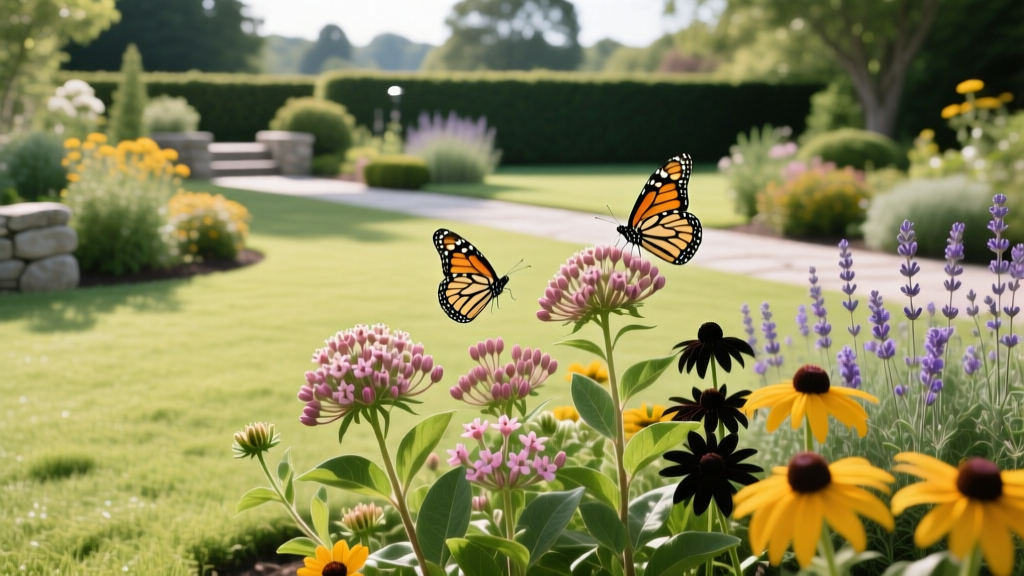
Perennials That Attract Butterflies Without Inviting Yard Pests
The Pollinator vs. Pest Dilemma
Designing a pollinator garden often creates a secondary, unintended consequence: a thriving habitat for destructive yard pests. Many popular perennials that attract butterflies also serve as hosts for aphids, spider mites, and fungal gnats, while their dense, unmanaged foliage provides ideal nesting grounds for voles and mice. For example, common milkweed (Asclepias syriaca) is famous for attracting monarchs, but it also draws oleander aphids (Aphis nerii), which can quickly migrate to nearby vegetable crops.
To maintain a robust yard defense strategy, you must select perennial cultivars that offer high nectar value for Lepidoptera while possessing natural chemical or structural defenses against herbivorous insects and burrowing rodents. This requires moving beyond generic plant lists and selecting specific, disease-resistant cultivars paired with strategic soil and mulch management.
Top Perennials That Attract Butterflies and Repel Pests
The following cultivars have been selected for their dual-purpose functionality: high pollinator attraction and innate pest deterrence. Avoid generic seed-grown varieties, which often lack the concentrated essential oils required for pest resistance.
1. Lavandula x intermedia 'Phenomenal' (USPP24193)
Standard English lavender is prone to root rot, which attracts fungus gnats and creates damp soil conditions favorable to slugs. 'Phenomenal' is an interspecific hybrid with exceptional disease resistance and a higher concentration of camphor and linalool in its foliage. These volatile oils act as a powerful olfactory disruptor for mosquitoes, fleas, and ticks, while the abundant summer blooms draw swallowtail butterflies and painted ladies. Plant in full sun with a soil pH between 6.5 and 7.5.
2. Allium 'Millennium'
Recognized as the Perennial Plant of the Year and still a top-tier performer in 2026, 'Millennium' produces massive, 2-inch rosy-purple umbels that are highly attractive to butterflies and native bees. More importantly for yard defense, the bulbs and foliage contain high levels of sulfur compounds and allicin. This makes the plant highly unpalatable to deer, rabbits, and crucially, subterranean rodents like voles and moles, which will actively tunnel around the root zone rather than through it.
3. Salvia yangii 'Denim 'n Lace' (Russian Sage)
Formerly classified as Perovskia atriplicifolia, this cultivar offers a tighter, more upright habit than older varieties, preventing the center of the plant from opening up and creating rodent hiding spots. The silvery, deeply dissected foliage is coated in fine trichomes and essential oils that deter Japanese beetles and aphids. Its extended bloom time from mid-summer to early fall provides critical late-season nectar for migrating monarch butterflies.
4. Achillea millefolium 'Strawberry Seduction' (Yarrow)
While yarrow attracts butterflies with its flat-topped corymbs, its true value in a pest-defense garden lies in its ability to attract predatory insects. The tiny, accessible florets draw parasitic wasps (Braconidae and Ichneumonidae) and hoverflies. According to University of Minnesota Extension, these beneficial insects are voracious predators of the very aphids and caterpillars that damage your ornamental and edible plants. 'Strawberry Seduction' offers sturdy stems that resist lodging, keeping the garden floor visible and inhospitable to mice.
Strategic Garden Layout for Rodent and Insect Defense
Selecting the right perennials that attract butterflies is only half the battle. The physical layout and ground cover of your garden dictate whether it becomes a pest haven or a fortified landscape.
Warning: Systemic Pesticides
Never use neonicotinoid-based systemic insecticides (like imidacloprid) on perennials intended for pollinators. These chemicals are absorbed into the plant tissue and nectar, proving lethal to the butterflies you are trying to attract. The Xerces Society strongly advises against their use in any residential pollinator habitat. Rely on mechanical barriers and companion planting instead.
Mulch Selection and Application
Standard shredded hardwood mulch retains excessive moisture and creates a labyrinth of air pockets that voles use for winter nesting. To defend against rodents while maintaining soil health:
- Base Layer: Apply a 1-inch layer of coarse compost for soil biology.
- Top Dressing: Apply 2 inches of 3/8-inch crushed granite or crushed oyster shell around the base of woody perennials like lavender and Russian sage. The sharp edges deter burrowing, and the inorganic material dries quickly, eliminating slug habitats.
- Avoid: Cocoa bean mulch (toxic to dogs and ineffective against determined rodents) and thick layers of pine straw (which harbors ticks).
Spacing and Airflow Metrics
Overcrowding perennials creates microclimates with humidity levels above 70%, triggering powdery mildew and inviting spider mites. Maintain a strict minimum clearance of 18 inches between the mature canopy edges of your butterfly perennials. This allows ground-foraging birds to easily spot and consume exposed caterpillars and beetles.
Perennial Pest-Defense Comparison Matrix
| Cultivar | Target Butterflies | Pests Repelled | Hardiness Zones |
|---|---|---|---|
| Lavender 'Phenomenal' | Swallowtails, Painted Ladies | Mosquitoes, Fleas, Fungal Gnats | 5-9 |
| Allium 'Millennium' | Cabbage Whites, Sulphurs | Voles, Moles, Deer, Rabbits | 4-8 |
| Russian Sage 'Denim 'n Lace' | Monarchs, Fritillaries | Japanese Beetles, Aphids | 4-9 |
| Yarrow 'Strawberry Seduction' | Skippers, Hairstreaks | Attracts predatory wasps (Aphid control) | 3-9 |
Soil Chemistry: The Hidden Key to Pest Resistance
The most common mistake homeowners make when establishing perennials that attract butterflies is over-fertilizing with high-nitrogen synthetic blends (e.g., 32-0-4 formulations). Excessive nitrogen forces rapid, vegetative growth with thin, weak cell walls. This makes the plant tissue highly susceptible to piercing-sucking insects like aphids and whiteflies, which can detect the elevated amino acid levels in the plant sap.
The Silicon Solution
To build physical pest resistance into your perennials, incorporate plant-available silicon into your soil preparation. Silicon is deposited in the epidermal cells of the plant, creating a physical barrier that makes it difficult for chewing insects (like caterpillars and beetles) to consume the foliage. Apply a liquid potassium silicate supplement at a rate of 1 tablespoon per gallon of water as a soil drench every 30 days during the active growing season. This practice, widely used in commercial agriculture, fortifies the plant's natural defenses without altering the nectar quality for butterflies.
"A truly resilient pollinator garden relies on the plant's innate immune system and structural defenses, cultivated through precise soil chemistry, rather than external chemical interventions." - National Wildlife Federation Habitat Guidelines.
FAQ: Troubleshooting Butterfly Garden Pests
Are the caterpillars eating my perennials destructive?
You must differentiate between butterfly larvae and destructive moth larvae. If you see caterpillars on your milkweed, parsley, or dill, they are likely Monarch or Black Swallowtail larvae—let them feed. However, if you notice webbing, rolled leaves, or frass (insect droppings) on your Alliums or Yarrow, you are likely dealing with cutworms or leafrollers. Remove these manually at dusk or apply a targeted Bacillus thuringiensis (Bt) spray, but only on non-host plants to avoid killing butterfly larvae.
How do I stop voles from eating the roots of my new perennials?
When planting new bare-root or potted perennials, line the bottom and sides of the planting hole with 1/4-inch hardware cloth (galvanized steel mesh). Bury the mesh 12 inches deep and extend it 6 inches above the soil line. This creates an impenetrable subterranean basket that allows roots to grow outward through the soil while completely blocking vole incursions.
Will companion planting with marigolds protect my perennials?
While French marigolds (Tagetes patula) secrete alpha-terthienyl from their roots, which suppresses root-knot nematodes, they do not repel above-ground pests like aphids or beetters, nor do they deter rodents. Rely on the structural and chemical defenses of the specific perennial cultivars listed above rather than generic companion planting myths.

