
Gardening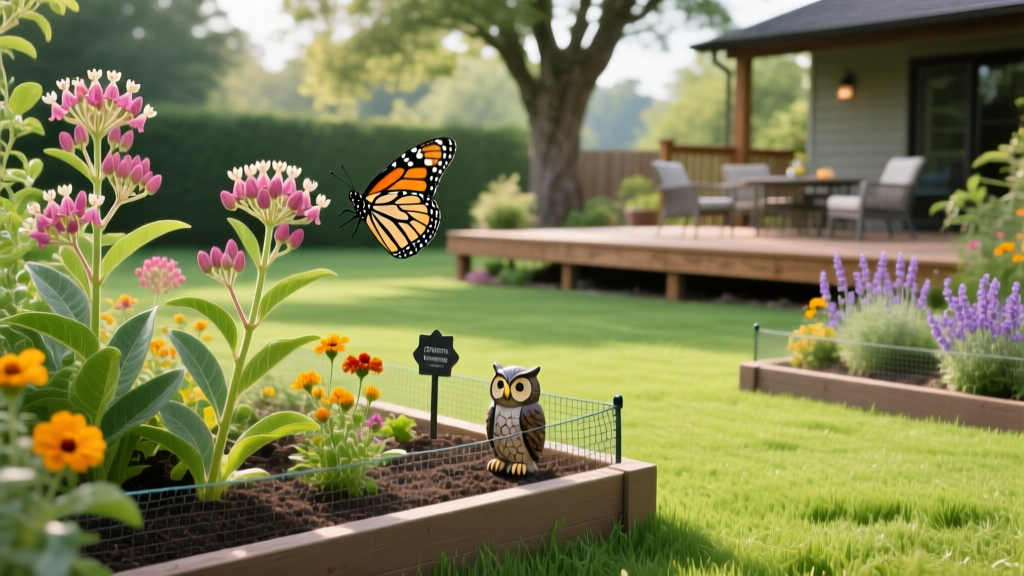
Pest-Proof Butterfly Garden Plan: Attract Monarchs, Deter Rodents
The Paradox of the Pollinator Oasis
Most standard butterfly garden plans focus exclusively on nectar sources and caterpillar host plants, inadvertently creating an ecological vacuum that invites destructive pests. Dense foliage, moist soil, and shallow water features are exactly what voles, mice, mosquitoes, and aphids seek out. If you simply plant milkweed and coneflowers without a defensive perimeter, you risk cultivating a breeding ground for Japanese beetles and a subterranean highway for rodents that will girdle your perennials' root systems over winter.
A successful, long-term pollinator habitat requires a dual-purpose approach. By integrating specific abrasive hardscaping, biological pest controls, and strategically selected cultivars, you can support National Wildlife Federation certified wildlife corridors while actively repelling yard-damaging pests. Here is how to engineer a pest-resistant butterfly garden plan from the soil up.
The Dual-Purpose Planting Matrix
Not all pollinator plants are created equal when it comes to pest resistance. While common milkweed (Asclepias syriaca) is a fantastic Monarch host, its shallow, spreading rhizomes and tender lower stems make it highly susceptible to vole damage. Instead, select cultivars that offer nectar or host capabilities while possessing natural chemical or physical deterrents against rodents and destructive insects.
| Plant Species (Cultivar) | Butterfly Role | Pest & Rodent Defense Mechanism | USDA Zones |
|---|---|---|---|
| Asclepias tuberosa (Butterfly Weed) | Monarch Host / Nectar | Deep, woody taproot resists vole girdling; hairy, tough stems deter rabbits and deer browsing. | 3-9 |
| Allium 'Millenium' | Nectar Source | High sulfur compounds in foliage and bulbs naturally repel voles, mice, and Japanese beetles. | 5-8 |
| Monarda fistulosa (Wild Bergamot) | Nectar Source | Contains high levels of thymol, which actively repels mosquitoes, ants, and certain foliar nematodes. | 3-9 |
| Foeniculum vulgare (Bronze Fennel) | Swallowtail Host | Strong anise scent masks the odor of neighboring vulnerable plants from foraging rodents. | 4-9 |
| Echinacea purpurea (Purple Coneflower) | Nectar Source | Spiny, rigid seed heads deter squirrels and mice from harvesting seeds; deep taproot survives minor tunneling. | 3-8 |
Strategic Hardscaping: Fixing the Puddling Station Trap
Butterflies require "puddling" stations to extract vital sodium and minerals from damp soil. The conventional advice—leaving a shallow saucer of water and mud in the garden—is a critical failure point. Stagnant water breeds Culex and Aedes mosquitoes, while the constant moisture attracts rodents seeking reliable hydration during dry summer spells.
Engineering a Mosquito-Proof, Rodent-Resistant Puddler
To provide essential minerals without creating a pest nursery, you must control the moisture retention and surface tension of your puddling station.
- Select the Right Vessel: Use a 16-inch unglazed terracotta saucer. Unglazed clay allows for slight subsurface evaporation, preventing the soil from turning into an anaerobic, mosquito-friendly bog.
- Choose Coarse Substrate: Fill the saucer with 2 inches of coarse builder’s sand mixed with flat river stones. Never use play sand or potting soil; fine particles compact and create microscopic pools where mosquito larvae thrive.
- Automate the Hydration: Install a 1/4-inch drip emitter connected to a smart timer (such as the Orbit B-hyve Bluetooth Hose Faucet Timer, approx. $45). Set the timer to deliver exactly 10 minutes of water every morning at 6:00 AM. This provides morning moisture for butterflies but ensures the top layer of sand dries completely by dusk, eliminating mosquito oviposition sites.
- Add Mineral Supplements: Bury a small piece of untreated hardwood or sprinkle a tablespoon of organic compost tea granules into the sand to provide the necessary salts and amino acids.
Subterranean Defense: Mulch and Soil Tactics
Voles (Microtus pennsylvanicus) are the primary enemy of the perennial butterfly garden. They use the cover of standard hardwood or cedar wood mulch to tunnel just below the soil surface, safely gnawing on the nutrient-rich taproots of your prized Echinacea and Asclepias. According to The Xerces Society, maintaining healthy soil ecology is vital for pollinators, but the physical mulch layer must be managed carefully.
⚠️ WARNING: The Wood Mulch Hazard
Never pile wood mulch directly against the crown of butterfly host plants. Voles will use the mulch-to-soil interface as a protected highway. Maintain a strict 3-inch bare-soil or gravel buffer zone around the base of all perennial crowns.
The Crushed Oyster Shell Solution:
Replace wood mulch in your high-value pollinator beds with a 2-inch layer of 3/8-inch crushed oyster shell or expanded shale. The sharp, abrasive edges of the crushed shells are highly uncomfortable for rodents to tunnel through, effectively blocking subterranean access to root systems. Furthermore, oyster shell slowly leaches calcium into the soil, which improves cell wall strength in your host plants, making them more resistant to sap-sucking insects like aphids. Expect to pay approximately $45 per 50lb bag of crushed oyster shell, which covers roughly 15 square feet at a 2-inch depth.
Biological Defense: Managing Aphids Without Pesticides
Aphids are notoriously drawn to the tender new growth of milkweed and fennel. The instinctive reaction for many gardeners is to reach for insecticidal soap, neem oil, or systemic granules. Do not do this. Any product that kills aphids will also kill Monarch and Swallowtail caterpillars, and systemic pesticides (like Imidacloprid) will render your nectar plants toxic to adult butterflies for up to two years.
Deploying Parasitic Wasps
Instead of chemical interventions, utilize targeted biological controls. When aphid colonies appear on your host plants, order a bank release of Aphidius colemani parasitic wasps from commercial biocontrol suppliers (such as Arbico Organics, typically $35 for 500 mummies). These microscopic, non-stinging wasps specifically hunt aphids, laying eggs inside them. The aphid swells into a golden "mummy" and dies, releasing more wasps. This eliminates the aphid infestation within 10 to 14 days while leaving your caterpillars entirely unharmed.
Pro-Tip: Companion Trap Cropping
Plant Tropaeolum majus (Nasturtiums) 10 feet away from your primary milkweed patch. Nasturtiums act as a highly attractive trap crop for aphids. The aphids will abandon your host plants to colonize the nasturtiums, where they can be easily managed or left to sustain local ladybug populations.
Overwintering Maintenance: Balancing Habitat and Hygiene
Modern ecological gardening dictates leaving plant stems standing over winter to provide overwintering habitat for native bees and butterfly chrysalises. However, leaving dense, matted piles of decaying foliage directly on the soil surface creates the perfect nesting environment for white-footed mice, which are primary vectors for Lyme disease-carrying ticks.
The Compromise Protocol:
- Cut to 15 Inches: In late fall, cut hollow-stemmed perennials (like Joe-Pye weed and coneflowers) to exactly 12–15 inches above the ground. This leaves enough stem for native bees to nest inside but removes the dense canopy that rodents use for winter cover.
- Elevate Debris Piles: If you must pile cut brush or stems for wildlife, do not place them on the soil. Bundle the stems and store them in an open-sided wooden shelter elevated at least 18 inches off the ground on metal poles equipped with conical rodent baffles.
- Clear the Perimeter: Keep a 2-foot perimeter around your butterfly garden completely clear of tall grasses and weeds. This exposes approaching rodents to aerial predators like hawks and owls, drastically reducing their willingness to enter the garden space.
By treating your butterfly garden plan as a holistic, defensive ecosystem rather than just a collection of pretty flowers, you ensure that your yard remains a sanctuary for pollinators—and a fortress against the pests that threaten your broader landscape.

