
Gardening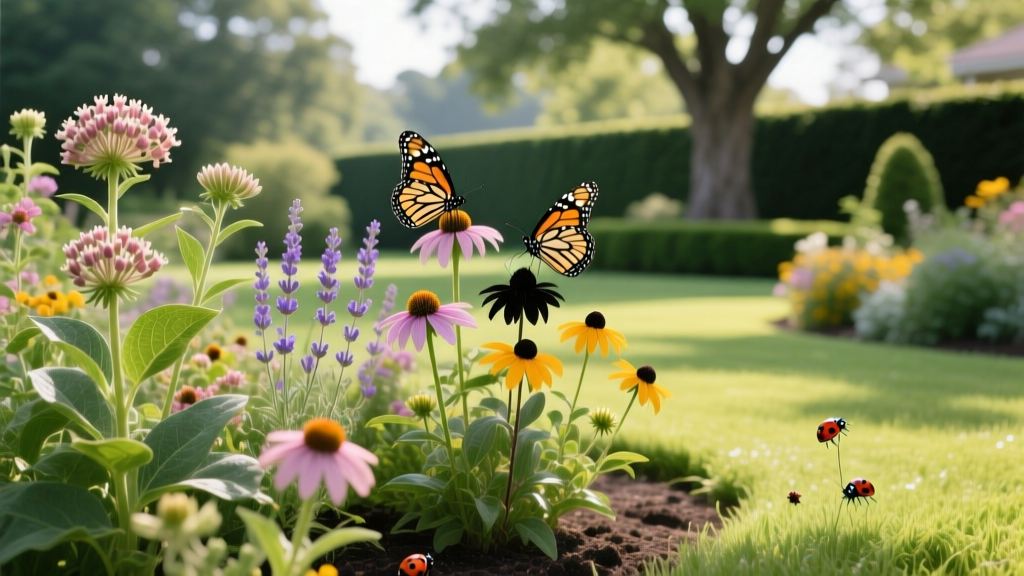
Top Flowers to Attract Butterflies While Repelling Yard Pests
The Dual-Purpose Strategy: Nectar Sources vs. Pest Magnets
Designing a pollinator habitat often creates a secondary problem: the same lush, dense foliage that shelters butterfly larvae also provides ideal nesting cover for voles, mice, and destructive sap-sucking insects. When selecting flowers to attract butterflies, homeowners frequently default to high-maintenance species like hybrid lantana or dense groundcovers that inadvertently invite rodent tunneling and aphid colonies. According to The Xerces Society, native pollinator gardens are most successful when they mimic natural ecological checks and balances, rather than creating artificial pest havens.
The solution lies in botanical defense mechanisms. Certain perennial flowers produce volatile organic compounds (VOCs) and alkaloids that naturally deter mammalian foraging and repel destructive insects, all while providing high-sucrose nectar for Lepidoptera. By combining these pest-resistant cultivars with strategic spatial layouts, you can build a vibrant butterfly corridor that actively fortifies your yard against invasive pests.
Top Pest-Resistant Flowers to Attract Butterflies
When sourcing nursery stock in 2026, expect to pay $4 to $7 for deep-root plugs and $14 to $19 for established 1-gallon pots. Investing in established root systems ensures the plants can produce their natural defensive compounds in their first season.
1. Purple Coneflower (Echinacea purpurea 'Magnus')
The 'Magnus' cultivar features a massive, deep taproot that makes it nearly impossible for voles to uproot or girdle. The plant's leaves and stems contain alkamides and polysaccharides that taste intensely bitter to rodents and deer. For butterflies, the broad, flat landing pads of the flower heads are ideal for larger species like Swallowtails and Fritillaries. Plant in full sun with a soil pH between 6.5 and 7.0. Space plants exactly 18 inches apart to allow airflow, which prevents the powdery mildew that can weaken the plant's natural pest defenses.
2. Yarrow (Achillea millefolium 'Moonshine')
Yarrow produces achilleine and volatile oils that act as a powerful olfactory deterrent to mice and rabbits. The fern-like foliage is highly unpalatable to mammals, yet the dense, flat-topped corymbs of tiny yellow flowers act as a magnet for smaller butterflies, particularly Painted Ladies and Skippers. 'Moonshine' is a sterile cultivar, meaning it will not aggressively self-seed and create the dense, impenetrable thickets where rodents prefer to nest. It thrives in poor, dry soils where other plants fail, requiring zero supplemental fertilizer.
3. Bee Balm (Monarda didyma 'Jacob Cline')
As a member of the mint family, Bee Balm contains high concentrations of thymol—the same compound found in thyme that is used in commercial organic insect repellents. This natural chemical barrier deters aphids, spider mites, and foraging rodents. The 'Jacob Cline' variety offers striking crimson tubular flowers specifically shaped to accommodate the long proboscis of Monarch and Spicebush Swallowtail butterflies. It requires consistent moisture but must be planted in well-draining soil to prevent root rot, which can attract fungus gnats.
Botanical Defense Comparison Matrix
| Cultivar | Primary Butterfly Targets | Pest Deterrence Mechanism | Water Needs | Root Depth |
|---|---|---|---|---|
| Echinacea 'Magnus' | Swallowtails, Fritillaries | Bitter alkamides deter rodents | Low (Drought tolerant) | Deep Taproot (3+ ft) |
| Achillea 'Moonshine' | Painted Ladies, Skippers | Volatile oils repel mammals | Very Low | Fibrous, wide-spreading |
| Monarda 'Jacob Cline' | Monarchs, Spicebush Swallowtails | Thymol repels insects & rodents | Medium (Consistent moisture) | Shallow, rhizomatous |
Strategic Planting Layouts for Yard Defense
Even the most pest-resistant flowers will fail if the garden layout provides physical cover for rodents. University of Minnesota Extension notes that voles require dense vegetative cover to feel safe from aerial predators like hawks and owls. To counter this, implement the following spatial rules:
⚠️ Warning: The Vegetable Garden Buffer
Never plant butterfly host plants (like milkweed, dill, or parsley) within 15 feet of your vegetable garden. The caterpillars that feed on these hosts will inevitably migrate to your cash crops once the host plant is defoliated. Furthermore, the dense foliage of host plants near edible beds creates a direct rodent highway to your root vegetables.
- The 18-Inch Rule: Maintain a minimum 18-inch clearance between the outer edge of your flower bed and any structural barriers (fences, shed walls, or house foundations). Rodents use these intersections as hidden travel corridors.
- Canopy Elevation: As perennials like Echinacea mature, prune the bottom 4 inches of foliage in early summer. This removes the ground-level hiding spots that mice use while foraging for fallen seeds.
- Sightline Preservation: Avoid planting tall, dense grasses (like Miscanthus) directly adjacent to your butterfly flowers. Ornamental grasses are the number one winter nesting site for field mice.
Managing the Caterpillar Conundrum
To sustain a butterfly population, you must grow host plants for caterpillars, but these plants are highly susceptible to aphid infestations (especially Asclepias tuberosa, or Butterfly Weed). When aphids attack, gardeners often reach for broad-spectrum insecticides, which kills the butterfly larvae.
Instead, use a targeted biological defense. Introduce live ladybugs (Hippodamia convergens) or green lacewings at the first sign of aphid clustering on your milkweed. If the infestation is severe, use a pressurized blast of water from a hose nozzle set to a 40-degree spray pattern. This physically dislodges the aphids without harming the larger, more firmly attached monarch caterpillars. Never use Neem oil on active host plants; while organic, Neem oil acts as an insect growth regulator and will fatally disrupt the molting process of butterfly larvae.
Soil and Mulch Tactics to Deter Rodents
The most common mistake in pollinator gardening is using shredded hardwood mulch. As wood mulch decomposes, it creates a warm, moist, and highly protective environment that is practically an invitation for vole colonies. According to Penn State Extension, proper mulching is critical for plant health, but the material choice dictates pest pressure.
The Inorganic Mulch Alternative
Replace wood chips with a 2-inch layer of 3/8-inch crushed granite or pea gravel around the base of your butterfly flowers. This provides the necessary soil moisture retention and temperature regulation while creating an abrasive, unstable surface that rodents refuse to tunnel through. The sharp edges of crushed granite deter the soft underbellies of voles and mice, forcing them to seek easier habitats outside your property line.
Summary: The Defensive Pollinator Framework
Successfully integrating flowers to attract butterflies with yard defense requires a three-pronged approach: selecting chemically defended native cultivars (Echinacea, Achillea, Monarda), enforcing strict 18-inch spatial clearances to deny rodent cover, and replacing organic wood mulches with abrasive crushed granite. By engineering the habitat rather than just planting seeds, you create a sanctuary for pollinators that remains hostile to destructive pests.

