
Gardening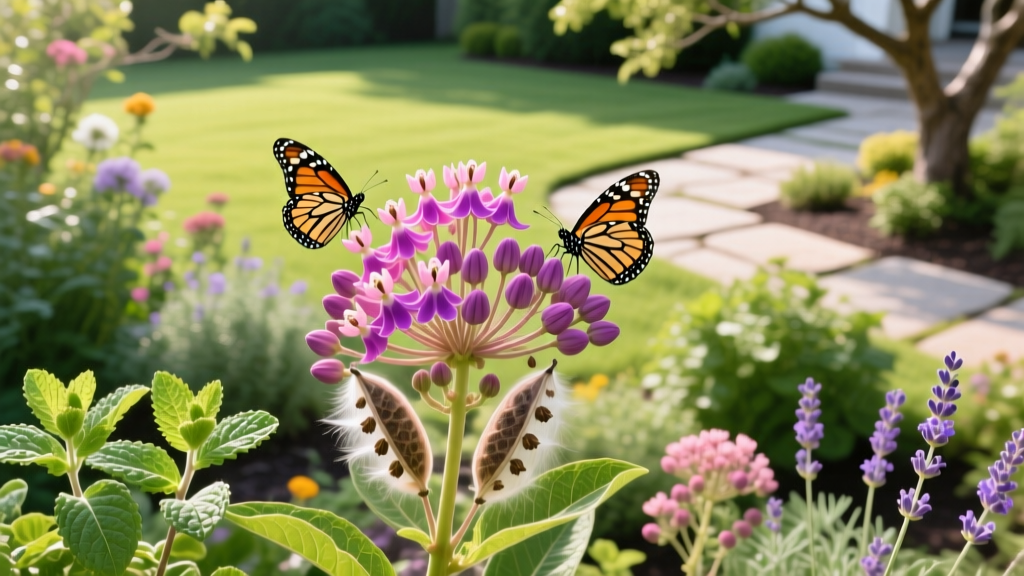
Which Plant With Butterfly Appeal Also Deters Yard Rodents?
The Pollinator vs. Pest Dilemma in Modern Landscaping
Cultivating a thriving pollinator habitat often introduces an unintended consequence: creating an all-you-can-eat buffet for destructive insects and a safe harbor for burrowing rodents. When you select a plant with butterfly-attracting nectar, you are simultaneously signaling to aphids, spider mites, and foraging voles that your yard is a prime target. The challenge for the modern gardener is not simply choosing flowers that look beautiful, but engineering a landscape where pollinator magnets double as biological pest deterrents.
According to the Xerces Society for Invertebrate Conservation, habitat loss is the primary threat to pollinators, making residential gardens critical refuges. However, integrating these refuges requires a strategic approach to plant chemistry and hardscape design to prevent rodent colonization and destructive insect outbreaks.
The Chemistry of Dual-Purpose Plants
Plants produce volatile organic compounds (VOCs) and secondary metabolites to defend themselves. The secret to a pest-resistant butterfly garden lies in selecting species whose chemical defenses repel mammals and destructive pests while remaining highly attractive to Lepidoptera. For example, plants rich in terpenes, alkaloids, and thiosulfinates emit strong olfactory signals that mask the scent of nearby vulnerable crops from foraging mice and voles, yet their flower structures provide essential landing pads and nectar rewards for butterflies.
Top 5 Butterfly Magnets with Built-In Rodent Defense
1. Butterfly Weed (Asclepias tuberosa)
Unlike common milkweed, butterfly weed features a massive, woody taproot that can plunge up to 10 feet into the soil. This deep root architecture makes it virtually impossible for voles and pocket gophers to uproot or destroy the plant from below. Furthermore, its foliage contains cardenolides—toxic compounds that deter mammalian feeding while serving as the exclusive host plant for Monarch butterfly caterpillars.
2. Lantana (Lantana camara)
Lantana produces pentacyclic triterpenoids, which render its leaves and unripe berries highly toxic to rodents and deer. Despite this mammalian toxicity, its clustered, multi-colored blooms are a premier nectar source for Swallowtails and Painted Ladies. In USDA zones 8-11, it grows as a perennial shrub; in cooler zones, treat it as a high-impact annual.
3. Allium 'Millennium'
The ornamental onion family is notorious for repelling rodents due to its high concentration of thiosulfinates. 'Millennium' is a standout cultivar that produces dense, 2-inch rosy-purple globes in mid-to-late summer. The strong subterranean scent masks the presence of nearby bulb crops and vegetable roots from foraging mice, while the abundant pollen attracts sweat bees and smaller butterfly species.
4. Russian Sage (Salvia yangii)
Recently reclassified from Perovskia atriplicifolia to Salvia yangii, this perennial is a powerhouse of camphor and cineole. These pungent essential oils create an olfactory barrier that rodents actively avoid. Its airy, lavender-blue flower spikes bloom from mid-summer to frost, providing critical late-season nectar for migrating Monarchs and Sulphurs.
5. Bronze Fennel (Foeniculum vulgare 'Purpureum')
While standard fennel can become invasive, the bronze cultivar offers striking, feathery, dark-purple foliage that acts as a host plant for Black Swallowtail caterpillars. The high anethole content in its foliage acts as a powerful scent masker, confusing the olfactory navigation of rodents looking for tender vegetable seedlings nearby.
Hardscape Tactics: Excluding Voles and Mice
Even the most chemically defended plant with butterfly appeal will suffer if rodents undermine the root zone. Relying solely on plant selection is insufficient; physical exclusion is mandatory in high-pressure rodent environments.
CRITICAL WARNING: Poultry Wire is Ineffective
Many gardeners mistakenly use 1/2-inch or 1-inch chicken wire (poultry netting) to line raised beds. Voles and young mice can easily compress their skulls and squeeze through 1/2-inch gaps, or simply chew through the thin, flexible wire. You must use rigid hardware cloth.
Many gardeners mistakenly use 1/2-inch or 1-inch chicken wire (poultry netting) to line raised beds. Voles and young mice can easily compress their skulls and squeeze through 1/2-inch gaps, or simply chew through the thin, flexible wire. You must use rigid hardware cloth.
The L-Shaped Hardware Cloth Method
To permanently exclude burrowing rodents from your pollinator beds, install 19-gauge, 1/4-inch galvanized hardware cloth. This specific gauge and grid size prevents even the smallest meadow voles (Microtus pennsylvanicus) from entering.
- Trenching: Dig a trench 12 inches deep and 6 inches wide around the perimeter of your garden bed.
- Bending: Bend the bottom 6 inches of the hardware cloth outward at a 90-degree angle to create an "L" shape. Rodents naturally dig straight down when they encounter a barrier; the outward-facing lip catches them and prevents entry.
- Installation: Place the vertical section of the cloth in the trench, ensuring it extends at least 6 inches above the soil line to stop surface-running mice.
- Backfilling: Tamp the soil firmly against the cloth. Expect to pay approximately $1.50 to $2.20 per linear foot for high-quality 19-gauge galvanized cloth.
Mulching for Defense: Gravel vs. Wood
Organic wood mulches (cedar, pine bark, hardwood) retain moisture and provide excellent nesting material and winter insulation for rodents. If your primary goal is yard defense, transition your butterfly garden pathways and bed borders to 3/4-inch crushed gravel mulch. Gravel does not retain the moisture rodents seek, creates an unstable, uncomfortable burrowing medium, and eliminates the protective canopy that harbors destructive insects like slugs and earwigs.
Data Matrix: Pollinator Plants vs. Pest Vulnerability
| Plant Species | Target Butterfly | Rodent Deterrence Mechanism | Destructive Insect Risk |
|---|---|---|---|
| Asclepias tuberosa | Monarch | Cardenolides; Deep woody taproot | High (Aphids) |
| Lantana camara | Swallowtail, Painted Lady | Pentacyclic triterpenoids (Toxic) | Low |
| Allium 'Millennium' | Sulphurs, Skippers | Thiosulfinates (Scent masking) | Very Low |
| Salvia yangii | Migrating Monarchs | Camphor and cineole oils | Low (Spider mites in drought) |
| Foeniculum vulgare | Black Swallowtail | Anethole (Olfactory confusion) | Moderate (Caterpillar defoliation) |
Managing Destructive Insects Without Harming Pollinators
When you plant a butterfly host species, you must accept a certain level of caterpillar herbivory. However, sap-sucking pests like oleander aphids (Aphis nerii) frequently infest milkweed, weakening the plant without providing any ecological benefit. Never use broad-spectrum synthetic pyrethroids or systemic neonicotinoids, as these will obliterate the very butterflies you are trying to attract.
Instead, utilize insecticidal soaps (potassium salts of fatty acids) at a 1% to 2% concentration. These soaps work via physical contact, disrupting the cell membranes of soft-bodied insects like aphids and spider mites, but they leave no toxic residue once dry. Crucial timing rule: Apply insecticidal soap strictly at dusk. Butterflies and native bees are inactive at night, ensuring you only target the stationary aphids without risking contact with foraging pollinators. For more integrated pest management strategies, the National Wildlife Federation's Garden for Wildlife program offers excellent guidelines on maintaining ecological balance.
Frequently Asked Questions
Can I use ultrasonic rodent repellents in my butterfly garden?
Ultrasonic devices are largely ineffective outdoors. Sound waves degrade rapidly in open air, are blocked by dense foliage, and do not penetrate the soil where voles are actively tunneling. Physical exclusion via 1/4-inch hardware cloth remains the only scientifically validated defense.
Will planting mint deter rodents from my pollinator beds?
While peppermint and spearmint contain menthol, which rodents dislike, mint is highly invasive and will aggressively outcompete your butterfly nectar plants via underground rhizomes. If you want the repellent properties of mint, plant it in isolated, sunken steel containers, or rely on the non-invasive Salvia yangii for similar camphor-based deterrence.
How do I protect butterfly chrysalises from predatory wasps?
Predatory wasps are a natural part of the garden ecosystem. If you are running a dedicated Monarch rearing operation, you must bring the host plants indoors or use fine mesh pop-up enclosures (with a minimum 30x30 inch footprint) placed directly over the milkweed. Do not attempt to eradicate wasps, as they are vital pollinators and natural pest controllers themselves.

