
Gardening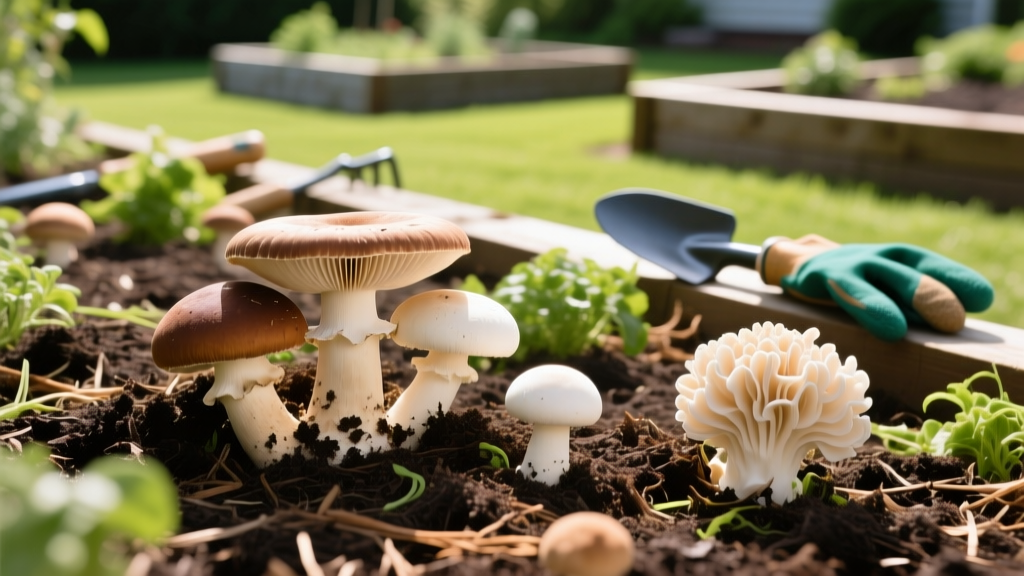
Establishing Edible Mushrooms Growing in Yard Beds
The Shift: From Eradication to Mycoculture
When most homeowners spot fungi emerging from their turf, their first instinct is to reach for a synthetic fungicide. However, seeing mushrooms growing in yard spaces is actually a strong indicator of robust soil biology and high organic matter. Instead of fighting this natural process, advanced permaculture and landscaping strategies in 2026 embrace mycoculture—the intentional cultivation of edible and beneficial fungi. By converting shaded, underutilized yard spaces into productive mushroom beds, you can yield gourmet harvests while simultaneously improving soil structure and water retention.
According to the Cornell University Small Farms Program, outdoor mushroom cultivation relies on mimicking the forest floor. This requires moving away from sterile gardening practices and leveraging the symbiotic relationship between fungal mycelium and woody substrates.
Selecting the Right Species for Yard Establishment
Not all fungi are suited for outdoor yard beds. While button mushrooms (Agaricus bisporus) require highly specific, nitrogen-rich composted manure that is difficult to manage outdoors, wood-decay fungi thrive in standard yard environments. When sourcing spawn from reputable vendors like North Spore or Field & Forest Products, always select sawdust spawn rather than grain spawn. Grain spawn is highly susceptible to contamination and rodent theft in outdoor settings, whereas sawdust spawn integrates seamlessly into woodchip beds.
Species Spotlight: The Wine Cap (King Stropharia)
Stropharia rugosoannulata is the undisputed champion of outdoor yard beds. It aggressively colonizes woodchips and straw, tolerates temperature fluctuations, and produces massive, wine-red caps that can weigh up to 1 lb each. It also acts as a powerful mycoremediator, breaking down complex lignins in yard waste while protecting nearby garden plants from soil-borne pathogens.
Outdoor Mushroom Species Comparison Matrix
| Species | Primary Substrate | Time to First Flush | Shade Tolerance | Estimated Spawn Cost |
|---|---|---|---|---|
| Wine Cap (S. rugosoannulata) | Hardwood chips, straw | 4–6 months | High (60-80%) | $30–$35 per 5.5 lb bag |
| Oyster (Pleurotus ostreatus) | Hardwood logs, stumps | 6–12 months | Medium (40-60%) | $25–$30 per 5.5 lb bag |
| Shiitake (Lentinula edodes) | Fresh oak logs | 12–18 months | High (70-90%) | $35–$45 per 5.5 lb bag |
| Lion's Mane (Hericium erinaceus) | Hardwood logs, stumps | 12–24 months | High (70-90%) | $40–$50 per 5.5 lb bag |
Site Selection and Microclimate Mapping
Success with mushrooms growing in yard environments hinges entirely on microclimate management. Fungi lack a protective cuticle, making them highly susceptible to desiccation. You must identify areas in your yard that naturally retain moisture and block harsh afternoon UV rays.
- Canopy Cover: Target areas under deciduous trees (oak, maple, beech) that provide dappled shade. Avoid direct southern exposure.
- Windbreaks: Establish beds near fences, shrubs, or the north-facing side of structures to prevent drying winds from stripping moisture from the mycelial mat.
- Drainage: While fungi need moisture, they will drown in anaerobic, waterlogged soil. Avoid low-lying yard depressions where water pools for more than 4 hours after heavy rain.
- Toxicity Check: Never establish beds under Black Walnut (Juglans nigra) or Cedar trees. Walnut roots secrete juglone, a natural herbicide that inhibits mycelial growth, while cedar contains thujone, a potent anti-fungal compound.
Step-by-Step: Building a Woodchip Mushroom Bed
To establish a standard 4x8 foot yard bed, you will need approximately 1.5 cubic yards of hardwood woodchips and one 5.5 lb bag of sawdust spawn. Follow this precise layering protocol to ensure rapid colonization.
- Procure and Age the Substrate: Source fresh hardwood chips from a local arborist. Critical Step: Allow the chips to age in a pile for 3 to 4 weeks before use. This off-gasses volatile resins and allows natural competitor bacteria to die off, giving your mushroom spawn a competitive advantage.
- Lay the Cardboard Base: Mow the existing grass as short as possible. Overlap uncoated, plain brown cardboard sheets directly over the soil. This acts as a biodegradable weed barrier and provides an initial cellulose food source for the mycelium.
- Build the Chip Layer: Apply a 4 to 6-inch layer of the aged hardwood chips over the cardboard. Do not exceed 6 inches, as deeper beds can trap heat during microbial decomposition, potentially pasteurizing and killing your spawn.
- Inoculate the Bed: Break apart your sawdust spawn and broadcast it evenly over the chips. Aim for a 10% spawn-to-substrate ratio by volume. Rake the spawn lightly into the top 2 inches of the woodchips.
- Apply the Straw Cap: Cover the inoculated chips with a 1-inch layer of clean, dry wheat or oat straw. This cap retains moisture, shields the mycelium from UV light, and provides a secondary fruiting substrate.
- Water to Field Capacity: Water the bed thoroughly using a gentle shower nozzle. Perform the 'squeeze test': grab a handful of the substrate and squeeze hard. It should yield exactly 1 to 2 drops of water. If a stream runs out, it is too wet; if no drops appear, it is too dry.
Ongoing Maintenance and Harvesting Protocols
Once established, outdoor mushroom beds require minimal but highly specific maintenance. The mycelium will weave through the woodchips, forming a dense, white, web-like matrix beneath the straw cap.
"The most common failure point for beginners is erratic watering. Mycelium requires consistent ambient humidity (85-95%) to initiate pinning (the formation of baby mushrooms). Install a simple drip irrigation line with a timer set to deliver 10 minutes of misting every morning during the fruiting season."
Harvest Wine Caps when the veil beneath the cap begins to tear but before it fully flattens out. Twist and pull gently from the base. After harvesting, fill the resulting hole with a handful of fresh, moist woodchips to maintain the bed's structural integrity.
Troubleshooting Contamination and Competitor Fungi
When cultivating mushrooms growing in yard beds, you are operating in a non-sterile environment. Encountering competitor organisms is inevitable, but manageable if you can correctly identify them.
Warning: Trichoderma (Green Mold)
If you see aggressive, bright green patches spreading across your woodchips, you have a Trichoderma outbreak. This competitor fungus thrives in nitrogen-rich environments. The Fix: Never add fresh grass clippings, manure, or synthetic fertilizers to your mushroom bed. If an outbreak occurs, remove the affected chips with a gloved hand, dispose of them off-site, and dust the exposed area with hydrated lime to raise the pH and inhibit further mold growth.
Another common occurrence is the appearance of Slime Molds (like Dog Vomit Slime Mold). While visually alarming, these are not true fungi and do not compete with your mycelium for nutrients. They feed on bacteria in the decaying woodchips and will naturally disappear as the substrate dries out. No intervention is required.
Frequently Asked Questions
Will establishing a mushroom bed attract pests or dangerous wildlife?
Woodchip beds can harbor slugs and sowbugs, which may nibble on developing mushroom pins. To mitigate this, surround the perimeter of your 4x8 bed with a 2-inch barrier of crushed eggshells or diatomaceous earth. As for wildlife, deer and squirrels may sample the mushrooms, but the beds do not attract rodents any more than a standard woodchip mulch bed would.
How long will a single inoculation last?
A properly maintained Wine Cap bed will fruit prolifically for 2 to 3 years. As the woodchips break down into rich humus, the mycelium will eventually exhaust its food source. In year three, simply add a fresh 3-inch layer of woodchips and a half-bag of spawn to reboot the system. The resulting decomposed substrate from the original bed is an exceptional, biologically active topsoil amendment for adjacent vegetable gardens.
For further reading on log-based cultivation methods, the Penn State Extension provides excellent regional data on managing hardwood logs for Shiitake and Oyster production in temperate climates.

