
Gardening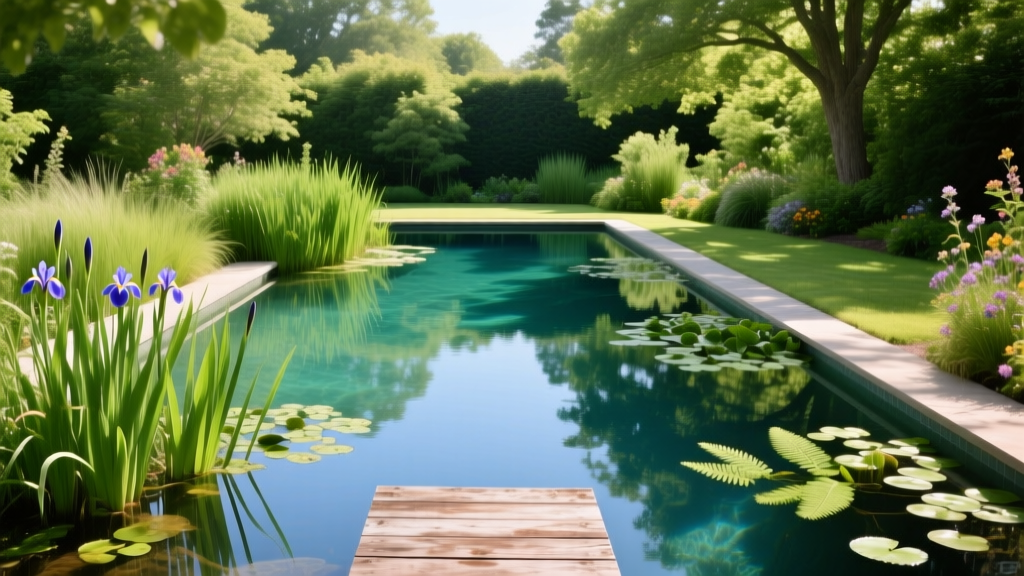
Best Plants for Natural Swimming Pools for Chemical-Free Filtration
Natural swimming pools (NSPs) replace harsh chlorine and bromine with a living, hydroponic filtration system. By routing water through a designated regeneration zone, specific aquatic plants extract dissolved nutrients, outcompete algae, and maintain crystal-clear water. Selecting the correct botanical species—and pairing them with the right substrate—is the difference between a pristine, chemical-free swimming environment and a stagnant, algae-choked pond.
The Biological Filtration Mechanism
Unlike traditional pools that rely on chemical oxidation to destroy pathogens and organic matter, NSPs utilize a biological nitrogen cycle and phosphorus uptake. Swimmers introduce organic loads (sweat, skin cells, debris) into the water. Beneficial bacteria colonizing the plant roots and substrate convert ammonia into nitrites, and then into nitrates. The plants for natural swimming pools then absorb these nitrates, along with dissolved phosphorus, using them as fertilizer for their own growth. According to the U.S. Environmental Protection Agency, constructed wetland systems can remove up to 90% of nitrogen and 80% of phosphorus from water columns when properly vegetated and sized.
The 1:1 Surface Area Rule: For a fully chemical-free NSP in a temperate climate, the surface area of the planted regeneration zone must equal at least 50% to 100% of the swimming zone surface area. If you have a 400-square-foot swim zone, you need a minimum of 200 to 400 square feet of planted filtration area.
Emergent & Marginal Plants: The Nutrient Sinks
Emergent plants are the workhorses of the regeneration zone. Rooted in the substrate with their foliage extending above the water surface, they possess massive root systems that harbor denitrifying bacteria and aggressively pull nutrients from the water column. When selecting marginals, avoid Iris pseudacorus (Yellow Flag Iris), which is highly invasive in many U.S. states. Instead, opt for native or sterile cultivars.
| Botanical Name | Common Name | Planting Depth | Primary Nutrient Target | USDA Hardiness |
|---|---|---|---|---|
| Iris versicolor | Blue Flag Iris | 0 - 15 cm | Nitrogen, Phosphorus | Zones 3-9 |
| Pontederia cordata | Pickerelweed | 5 - 20 cm | Heavy Metals, Nitrates | Zones 5-11 |
| Eleocharis palustris | Creeping Spike Rush | 0 - 10 cm | Ammonia, Nitrates | Zones 3-10 |
| Sagittaria latifolia | Broadleaf Arrowhead | 5 - 30 cm | Phosphorus | Zones 4-10 |
Planting Density: For optimal filtration in the first two years, plant emergents at a density of 5 to 7 plants per square meter. This rapid coverage prevents weed establishment and accelerates the biological maturation of the pool.
Submerged Oxygenators: Starving Phytoplankton
While emergent plants handle the bulk of the nutrient load, submerged oxygenators operate entirely underwater. Species like Ceratophyllum demersum (Hornwort) and Elodea canadensis (Canadian Waterweed) are critical for suppressing suspended green algae (phytoplankton). They do this through two mechanisms: direct competition for dissolved inorganic carbon and the release of allelopathic compounds that inhibit algae growth. The Texas A&M AgriLife Extension notes that submerged aquatics are essential for maintaining dissolved oxygen levels, which keeps the water smelling fresh and prevents anaerobic bacterial blooms.
Anchor these plants in the deepest parts of the regeneration zone (40-60 cm deep) using weighted mesh bags or by tucking them into the gravel substrate. Aim for 3 to 5 bunches per square meter of deep water.
Substrate Engineering: The Phosphorus Trap
The most common failure mode in natural swimming pools is the use of standard potting soil, topsoil, or nutrient-rich garden loam in the regeneration zone. Topsoil contains high levels of phosphorus. When submerged, this phosphorus leaches into the water column, triggering massive, uncontrollable string algae and cyanobacteria blooms that can take years to eradicate.
The Correct Substrate Mix: Use an inert, low-phosphorus medium. The industry standard for 2026 is 8-16mm expanded clay aggregate (LECA) or washed, lime-free river gravel. Expanded shale is also excellent and typically costs between $85 and $110 per cubic yard depending on your region. This porous material provides immense surface area for beneficial bacteria (biofilm) to colonize without introducing organic nutrients to the water.
'A natural pool is only as clean as its substrate allows it to be. If you introduce phosphorus through topsoil or unwashed gravel, no amount of plant biomass will outpace the resulting algae bloom.' — International Organization for Natural Bathing Waters (IOB) Design Guidelines
Troubleshooting Water Quality: A Decision Tree
Even with the best plants for natural swimming pools, environmental variables can disrupt the biological balance. Use this diagnostic framework to correct water quality issues without resorting to chemical algaecides.
- Symptom: Pea-soup green water (Suspended Algae)
- Cause: Phytoplankton bloom due to excess nitrogen or insufficient submerged plant biomass.
- Fix: Install a 36-watt UV-C clarifier on the return line to zap suspended algae cells. Add 20% more Ceratophyllum demersum to the regeneration zone to compete for nutrients long-term.
- Symptom: Hair/String Algae on pool walls and plants
- Cause: Phosphorus spike. Often caused by decaying autumn leaves, topsoil leaching, or swimmer sunscreen.
- Fix: Manually remove string algae. Add phosphorus-binding media (like lanthanum-modified bentonite clay) to the skimmer. Ensure all swimmers rinse off before entering the pool.
- Symptom: Cloudy, milky water (No green tint)
- Cause: Bacterial bloom or fine suspended clay particles from newly installed substrate.
- Fix: Run the mechanical filtration pump continuously for 48 hours. Add a natural flocculant (like chitosan) to bind particles so the mechanical filter can catch them.
Seasonal Maintenance Protocol
Unlike chemical pools that require winterizing with antifreeze and shock treatments, NSPs require botanical maintenance. In late autumn, install a fine-mesh debris net over the regeneration zone to catch falling leaves. If leaves decompose in the water, they release tannins and phosphorus. In early spring, before new growth emerges, cut back all dead emergent foliage to 5 cm above the water line. This prevents the previous year's stored nutrients from leaching back into the water as the old stems rot. Divide overcrowded Iris and Pickerelweed clumps every 3 to 4 years to maintain vigorous nutrient uptake.
Frequently Asked Questions
Do natural swimming pools attract mosquitoes?
No, if designed correctly. Mosquitoes breed in stagnant water. NSPs utilize a continuous circulation pump that turns over the entire water volume 1.5 to 2.0 times per 24 hours. The constant water movement through the plant roots and mechanical skimmers prevents mosquitoes from laying viable eggs.
Can I use water lilies in the swimming zone?
Yes, but limit surface coverage. Deep-water plants like Nymphaea (Water Lilies) provide excellent shading, which lowers water temperature and suppresses algae. However, do not allow them to cover more than 30% of the total surface area, as excessive shading will block sunlight from the submerged oxygenators in the regeneration zone.
How deep should the regeneration zone substrate be?
The substrate bed in the planted zone should be exactly 30 to 40 cm (12 to 16 inches) deep. This depth provides enough volume for root expansion and bacterial biofilm colonization while ensuring that water flows evenly through the bed rather than channeling over the top.

