
Gardening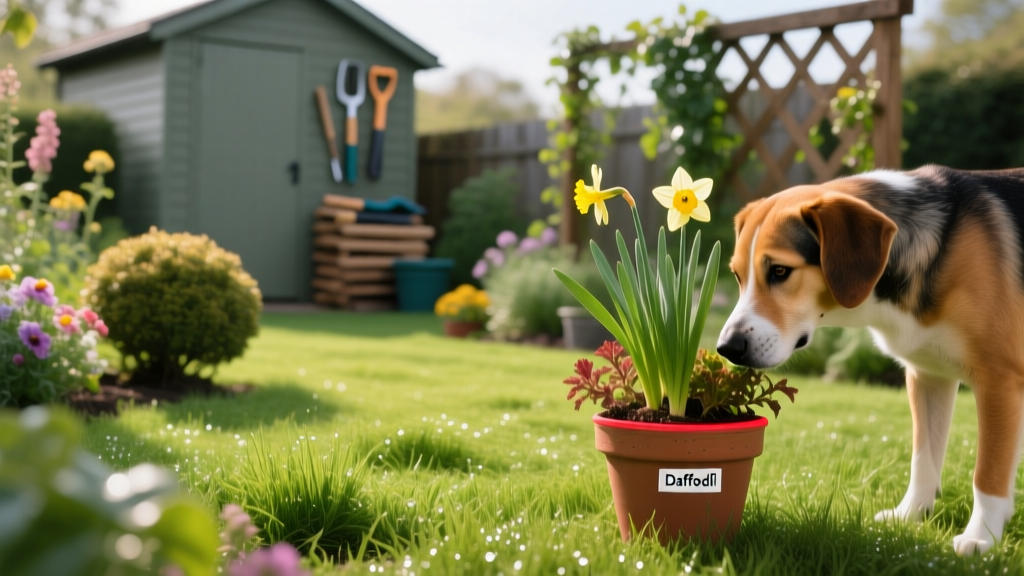
Plants Hazardous to Dogs: Diagnosing Toxicity Symptoms & Safe Fixes
The Diagnostic Framework: Identifying Toxic Exposure
Dogs explore their environment primarily through olfactory investigation and oral manipulation. When a canine ingests botanical matter, the difference between a minor gastrointestinal upset and a fatal systemic reaction hinges entirely on the specific phytochemicals involved. Diagnosing exposure to plants hazardous to dogs requires a structured triage approach before clinical signs even manifest. Time is tissue; hepatotoxins and cardiac glycosides begin binding to cellular receptors within minutes of ingestion.
If you suspect your dog has consumed an unknown or toxic plant, immediately secure a sample of the plant—including the leaves, flowers, and any fallen berries or seeds. Place the sample in a sealed plastic bag. Next, estimate the volume consumed and the exact time of ingestion. This data is critical for veterinary toxicologists calculating the ingested dose against the known LD50 (lethal dose for 50% of the test population) of the specific toxin.
Emergency Triage Protocol:
Do not induce vomiting with hydrogen peroxide unless explicitly instructed by a veterinary professional. For immediate toxicological guidance, contact the ASPCA Animal Poison Control Center (888-426-4435) or the Pet Poison Helpline (855-764-7661). Note that consultation fees (typically $95 per case) apply, but this cost is negligible compared to emergency hepatic dialysis or intensive cardiac monitoring.
Do not induce vomiting with hydrogen peroxide unless explicitly instructed by a veterinary professional. For immediate toxicological guidance, contact the ASPCA Animal Poison Control Center (888-426-4435) or the Pet Poison Helpline (855-764-7661). Note that consultation fees (typically $95 per case) apply, but this cost is negligible compared to emergency hepatic dialysis or intensive cardiac monitoring.
High-Risk Botanical Offenders in Residential Gardens
Residential landscapes frequently feature ornamental shrubs and perennials that contain severe systemic toxins. According to data from the Cornell University Department of Animal Science, the majority of fatal canine plant toxicities involve a small subset of highly common landscaping staples.
| Plant Species | Active Toxin | Clinical Signs | Severity |
|---|---|---|---|
| Sago Palm (Cycas revoluta) | Cycasin | Hepatic failure, coagulopathy, seizures | Fatal |
| Oleander (Nerium oleander) | Oleandrin (cardiac glycoside) | Fatal arrhythmias, drooling, lethargy | Fatal |
| Lily of the Valley (Convallaria majalis) | Convallatoxin | Cardiac arrhythmias, vomiting | Severe |
| Tulip/Narcissus Bulbs | Tulipalin A & B | Drooling, GI upset, CNS depression | Moderate |
The Pet Poison Helpline consistently ranks the Sago Palm as one of the most dangerous ornamental plants due to its low LD50 and the fact that all parts of the plant, particularly the seeds, contain lethal concentrations of cycasin.
Symptom Mapping: Matching Clinical Signs to Plant Toxins
Accurate diagnosis requires mapping the onset and type of clinical signs to specific toxin categories. However, veterinarians warn against the 'deceptive latency period' common in hepatic and renal toxicities.
Gastrointestinal Distress vs. Deceptive Latency
Mild irritants (like the sap of Euphorbia species) cause immediate hypersalivation and vomiting within 30 to 60 minutes. In contrast, hepatotoxins like cycasin (Sago Palm) or amatoxins (certain wild mushrooms) often trigger an initial bout of vomiting that resolves within 24 hours. Owners frequently mistake this cessation of symptoms for recovery. In reality, the toxin is actively destroying hepatocytes. By the time icterus (jaundice) or melena (black, tarry stools from GI bleeding) appears 48 to 72 hours later, acute liver failure is often irreversible. If your dog ingests a known hepatotoxic plant, veterinary admission for prophylactic intravenous fluids and liver protectants (like SAMe or Silybin) is mandatory, regardless of whether they appear to have recovered.
Neurological and Cardiac Anomalies
Plants containing cardiac glycosides (Oleander, Foxglove, Lily of the Valley) inhibit the sodium-potassium ATPase pump in myocardial cells. Symptoms manifest as severe lethargy, bradycardia (abnormally slow heart rate), or ventricular premature contractions. Neurological toxins, such as those found in Datura stramonium (Jimsonweed), cause mydriasis (severe pupil dilation), ataxia, and hyperthermia. These require immediate emergency intervention, often involving lipid emulsion therapy or specific antidotes like Digoxin-specific antibody fragments for cardiac glycoside poisoning.
Engineering a Dog-Safe Garden: Physical and Botanical Solutions
Relying solely on training to keep dogs away from hazardous flora is a flawed strategy. Canine behavior is driven by instinct and boredom; a determined dog will chew on a toxic shrub if it is accessible. True garden safety requires structural engineering and botanical substitution.
Hardscaping and Barrier Strategies
To protect both your dog and your garden beds, implement physical root and dig barriers. Standard chicken wire is insufficient, as dogs can easily tear through the thin gauge and injure their paws. Instead, purchase 19-gauge, 1/2-inch galvanized hardware cloth (typically $30 to $45 per 25-foot roll). Dig a trench along the perimeter of your toxic plant zones or fence lines. Bury the hardware cloth 12 to 18 inches deep, and bend the bottom 6 inches outward into an 'L' shape pointing away from the garden. When a dog attempts to dig at the base of the barrier, their paws hit the horizontal wire mesh, naturally discouraging the behavior without causing injury.
Non-Toxic Botanical Substitutes
Replace high-risk ornamentals with structurally similar but entirely non-toxic alternatives:
- Replace Sago Palms with Chamaedorea elegans (Parlor Palm) or Chrysalidocarpus lutescens (Areca Palm), which provide the same tropical aesthetic without the cycasin risk.
- Replace Hostas (which contain saponins that cause severe GI distress) with Heuchera (Coral Bells) or Astilbe x arendsii, which offer identical shade-tolerant, broad-leaf ground cover.
- Replace Oleander hedges with Viburnum tinus or Osmanthus fragrans (Sweet Olive), which provide dense, evergreen privacy screening.
Soil and Mulch Hazards: The Hidden Garden Threats
Diagnosing plant toxicity is incomplete without evaluating the substrate. Cocoa bean mulch, a popular byproduct of chocolate manufacturing, contains theobromine and caffeine. Ingestion by dogs leads to the exact same toxicological profile as dark chocolate poisoning, including tachycardia, tremors, and seizures. Furthermore, bone meal and blood meal fertilizers—often mixed into garden soil to boost phosphorus and nitrogen—are highly palatable to dogs. Ingesting large quantities of these organic fertilizers can cause severe gastrointestinal obstruction or dangerous iron toxicity. Always cap freshly fertilized beds with a 2-inch layer of untreated pine bark or cedar mulch, and water the area thoroughly to dissolve the granules into the subsoil before granting your dog yard access.

