
Gardening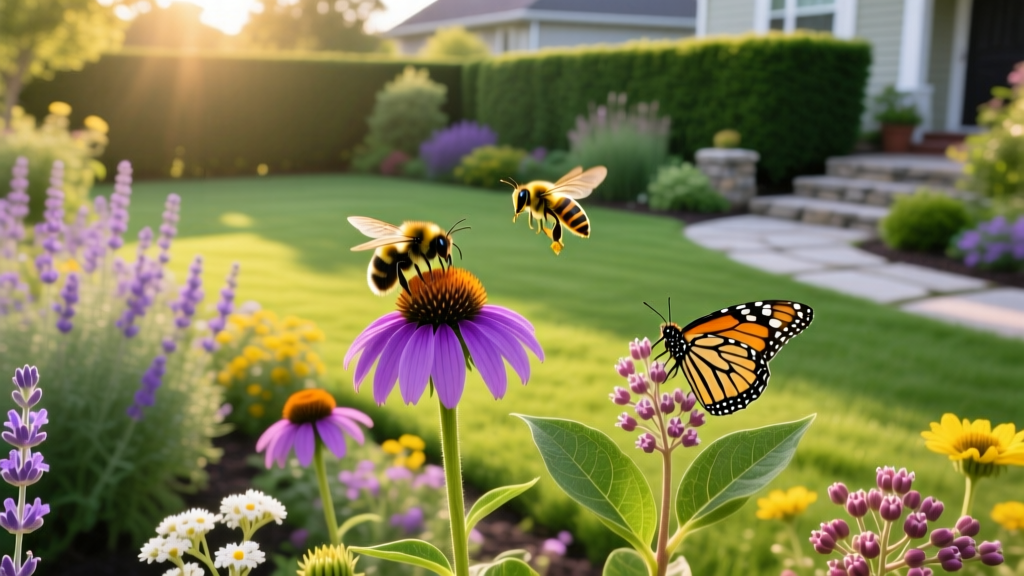
Why Are Pollinators Important for Garden Yields and Biodiversity?
The Biological Mechanics: How Pollination Actually Works
Understanding why pollinators are important requires looking past the simple transfer of pollen from anther to stigma. Pollination is a highly specialized biological transaction that directly dictates the genetic diversity, fruit set, and physical quality of your garden crops. When a pollinator visits a flower, it triggers hormonal changes in the plant's ovary. Incomplete pollination—where only a fraction of the ovules are fertilized—results in misshapen fruits, premature fruit drop, and significantly lower seed viability.
Furthermore, different crops require distinct mechanical actions. For example, tomatoes, peppers, and eggplants possess poricidal anthers, meaning pollen is trapped inside tube-like structures. These crops require buzz pollination (sonication). Native bumblebees (Bombus species) grab the anther and vibrate their flight muscles at roughly 400 Hz, shaking the pollen loose like salt from a shaker. Honeybees cannot perform this action. If you rely solely on honeybees, your solanaceous crop yields will plummet, highlighting why diverse native pollinator populations are critical for a complete garden ecosystem.
Crop-Specific Yield Impacts: The Data
The reliance on animal pollination varies drastically across common garden vegetables and fruits. According to the Food and Agriculture Organization (FAO), while staple crops like wheat and corn are wind-pollinated, the most nutrient-dense and high-value crops in a home garden are heavily dependent on insects.
| Garden Crop | Primary Pollinator Vector | Pollination Mechanism | Yield Impact Without Pollinators |
|---|---|---|---|
| Tomatoes & Peppers | Bumblebees, Sweat Bees | Buzz Pollination (Sonication) | 60-80% reduction; misshapen, small fruit |
| Zucchini & Squash | Squash Bees (Peponapis), Bumblebees | Heavy pollen transfer (requires multiple visits) | Fruit abortion within 48 hours of flowering |
| Apples & Pears | Mason Bees, Honeybees | Cross-pollination (requires different cultivars) | 90%+ crop failure; requires hand-pollination |
| Strawberries | Hoverflies, Small Native Bees | Multi-visit sequential pollination | High rate of deformed, nubbly berries |
| Blueberries | Bumblebees, Southeastern Blueberry Bees | Buzz Pollination | 50% reduction in berry size and total weight |
Identifying Your Garden's MVP Pollinators
Most gardeners default to identifying the European Honeybee (Apis mellifera), but North America is home to over 4,000 native bee species that are vastly more efficient at pollinating local flora. The Xerces Society for Invertebrate Conservation notes that native bees often work in cooler temperatures, fly in light rain, and require fewer floral resources to sustain their populations.
Identification Quick-Guide:
- Leafcutter Bees (Megachile): Medium-sized, dark bees that carry pollen on the underside of their abdomen (scopa) rather than their hind legs. Look for perfectly circular cuts in rose or redbud leaves.
- Sweat Bees (Halictidae): Tiny (3-10mm), often brilliantly metallic green, copper, or blue. They are generalist pollinators and crucial for late-summer composite flowers like asters and goldenrod.
- Hoverflies (Syrphidae): Not bees, but beneficial flies that mimic wasps or bees. Identify them by their single pair of wings, large compound eyes, and ability to hover perfectly still in mid-air. Their larvae are voracious aphid predators.
- Mason Bees (Osmia): Solitary, non-aggressive bees with black or metallic blue bodies. They are early spring emergers and are up to 100 times more effective at pollinating fruit trees than honeybees on a per-bee basis.
The Economic and Ecological Ripple Effect
The importance of pollinators extends far beyond the boundaries of your property. In commercial agriculture, the decline of wild pollinator populations has forced growers to rely entirely on managed honeybee hives. In 2026, commercial almond growers in California pay between $220 and $250 per hive for pollination services, a cost that ultimately trickles down to consumer grocery prices. When home gardeners cultivate robust pollinator habitats, they reduce the localized pressure on managed hives and create vital biological corridors that connect fragmented wild spaces.
'Protecting pollinators is not just an environmental imperative; it is a direct investment in global food security and local agricultural economics. Every square foot of pesticide-free, native-rich garden space acts as a critical refueling station for migrating and foraging insects.' — USDA Pollinator Health Task Force
Actionable Framework: Building a 4-Season Pollinator Corridor
To support pollinators effectively, you must provide continuous, overlapping bloom times from early spring to late frost. Planting in 'drifts' or clusters of 3 to 5 plants of the same species, spaced 18 inches apart, creates a highly visible foraging target that minimizes the energy insects expend searching for nectar.
Spring (March - May)
Early emergers like Mason bees and Queen Bumblebees need immediate nectar sources upon waking from hibernation.
- Pulmonaria (Lungwort): One of the earliest nectar sources; thrives in partial shade.
- Amelanchier (Serviceberry): A native shrub/tree that provides critical early pollen before most garden flowers open.
- Native Fruit Trees: Apple, plum, and cherry blossoms sustain massive early-spring populations.
Summer (June - August)
Peak foraging season requires high-volume nectar producers to sustain growing bee colonies and butterfly broods.
- Monarda fistulosa (Wild Bergamot): A magnet for bumblebees, sweat bees, and specialized hummingbird moths. Plant in full sun, well-draining soil.
- Echinacea purpurea (Purple Coneflower): The prominent central cone provides an easy landing pad and accessible pollen for generalist insects.
- Asclepias tuberosa (Butterfly Weed): Mandatory host plant for Monarch butterfly caterpillars; provides high-sugar nectar for adults.
Fall (September - November)
Fall blooms are essential for migratory species like Monarchs and for Queen Bumblebees building fat reserves for winter diapause.
- Solidago (Goldenrod): Dispel the allergy myth (ragweed is the culprit). Goldenrod is a late-season lifeline for over 100 species of native bees.
- Symphyotrichum novae-angliae (New England Aster): Blooms well into October, providing critical late-season carbohydrates.
Warning: The 'Bug Hotel' Maintenance Trap
Many gardeners buy or build bamboo 'bee hotels' for solitary bees, but fail to clean them. Unmaintained tubes rapidly accumulate parasitic wasps, chalkbrood fungus, and pollen mites. If you install a solitary bee house, you must replace the paper liners or bamboo tubes every single winter, or store the structure in an unheated garage to protect developing larvae from freezing rain and predators.
Many gardeners buy or build bamboo 'bee hotels' for solitary bees, but fail to clean them. Unmaintained tubes rapidly accumulate parasitic wasps, chalkbrood fungus, and pollen mites. If you install a solitary bee house, you must replace the paper liners or bamboo tubes every single winter, or store the structure in an unheated garage to protect developing larvae from freezing rain and predators.
Common Gardening Mistakes That Harm Pollinators
Even well-intentioned gardeners accidentally sabotage their local pollinator populations through standard landscaping practices. Avoid these critical errors:
- Over-Mulching the Garden: Approximately 70% of native bee species are ground-nesting. They dig small burrows in bare, undisturbed soil to lay their eggs. Smothering your garden beds with 3 inches of wood chip or landscape fabric eliminates their nesting habitat. Leave 12-inch to 18-inch patches of bare, unmulched soil in sunny, well-draining areas specifically for ground-nesters.
- Using Systemic Neonicotinoids: Pesticides containing Imidacloprid, Clothianidin, or Dinotefuran are absorbed into the plant's vascular system. When a pollinator drinks the nectar or eats the pollen, it ingests a neurotoxin that impairs navigation and reproduction. Always check the active ingredients on grub-control and aphid-sprays before purchasing.
- Aggressive Fall Cleanup: Cutting back all perennial stems to the ground in autumn destroys overwintering habitat. Many native bees and butterfly chrysalises overwinter inside hollow stems. Leave perennial stalks standing until late spring when daytime temperatures consistently reach 50°F (10°C), allowing overwintering insects to emerge naturally.
Frequently Asked Questions
Are honeybees native to North America?
No. The European Honeybee (Apis mellifera) was brought to North America by European settlers in the 1600s. While they are excellent agricultural pollinators, they are essentially managed livestock. Focusing on native bees is far more beneficial for local ecosystem health and wild plant reproduction.
Do I need a massive yard to support pollinators?
No. Research shows that even small urban container gardens can support diverse pollinator networks if planted with high-value native species. A single 4x4-foot raised bed densely planted with Monarda, Agastache, and Asclepias can sustain dozens of native bee and butterfly species throughout the summer.
Will planting pollinator-friendly flowers attract stinging insects to my patio?
Native solitary bees (like mason and leafcutter bees) are incredibly docile and lack the aggressive defensive instincts of social wasps or honeybees. They are highly unlikely to sting unless physically crushed. Planting pollinator gardens actually draws foraging insects away from your dining areas and into the garden beds.

