
Gardening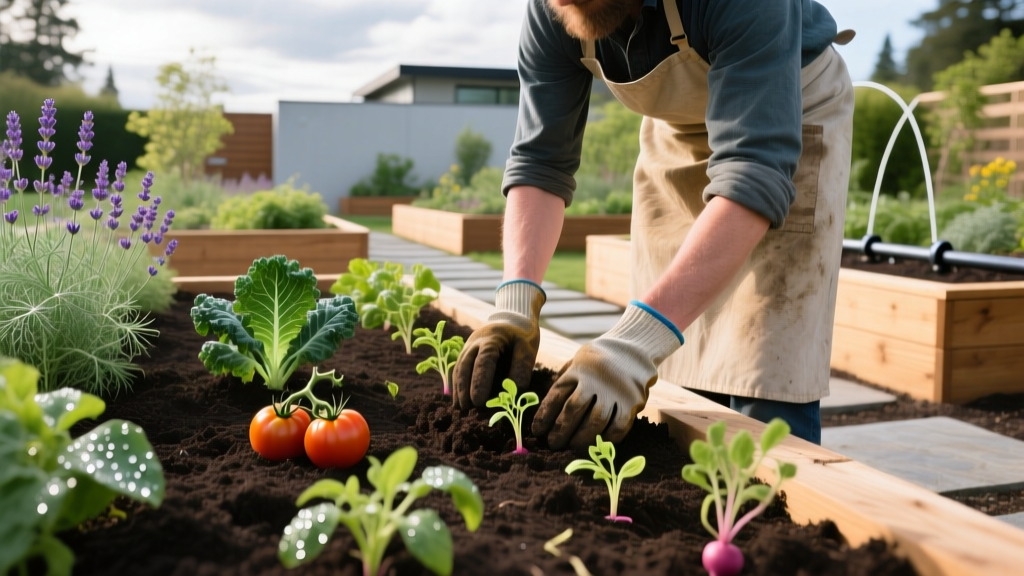
Portland Planting Zone Calendar: Exact Timing for Sowing & Crops
Beyond the USDA Map: Defining the True Portland Planting Zone
Relying solely on the USDA Hardiness Zone map is a common mistake for Pacific Northwest gardeners. While most of Portland falls into USDA Zone 8b (minimum winter temperatures of 15°F to 20°F), this metric only tells you what will survive the winter cold. It completely ignores the region's defining characteristic: a Mediterranean-style maritime climate with wet, mild winters and distinctly dry summers.
For accurate seasonal timing, experienced growers use the Sunset Western Garden Climate Zones. Portland sits primarily in Sunset Zone 6 (Willamette Valley). This classification accounts for the length of the growing season, summer heat spikes, and the specific rainfall distribution that dictates your actual planting calendar. Understanding this dual-zone identity is the foundation of a successful regional garden.
Portland Core Climate Metrics
- USDA Zone: 8b (15°F to 20°F)
- Sunset Zone: 6 (Willamette Valley)
- Last Spring Frost: April 1 to April 15 (Urban core); May 1 to May 10 (Suburbs/Hills)
- First Fall Frost: November 1 to November 15
- Average Winter Chill Hours: 800 to 1,000 hours (Below 45°F)
- Annual Rainfall: ~37 inches (Concentrated Nov-Apr)
The Spring Transition: Beating the 'False Spring'
Portland frequently experiences a 'false spring' in late February and March, where air temperatures reach the 60s, tempting gardeners to sow warm-season crops. However, the heavy Willamette Valley silt-loam and clay soils retain winter moisture and stay dangerously cold. Planting tomatoes or peppers in March will result in stunted root development and phosphorus lockout, even if the air feels warm.
The golden rule for the Portland planting zone in spring is to measure soil temperature, not air temperature. Use a standard soil probe thermometer at a 2-inch depth before sowing.
| Crop Category | Target Soil Temp | Sowing Method | Optimal Portland Window |
|---|---|---|---|
| Peas & Fava Beans | 45°F - 50°F | Direct Sow | Feb 20 - March 15 |
| Brassicas (Kale, Broccoli) | 50°F - 55°F | Transplant | March 15 - April 10 |
| Root Veggies (Carrots, Beets) | 55°F - 60°F | Direct Sow | April 1 - April 20 |
| Solanaceae (Tomatoes, Peppers) | 60°F - 65°F+ | Transplant | May 15 - June 1 |
For early spring peas, select varieties bred for PNW dampness resistance, such as 'Oregon Sugar Pod II' or 'Cascadia'. These varieties resist powdery mildew, which thrives in Portland's humid May mornings.
Summer Dry Season Management: The July Pivot
Unlike the East Coast or Midwest, Portland's summer brings almost zero rainfall from mid-July through September. This dry season requires a strategic pivot. By late June, your spring-planted cool-season crops (lettuce, spinach, cilantro) will bolt in the 85°F+ afternoon heat.
The mid-summer window is critical for establishing your fall and winter harvest. Because the soil is warm and days are still long, seeds germinate rapidly, but they require strict moisture management.
Succession Planting for Fall Harvest
- Mid-July: Direct sow fall carrots (try 'Napoli' or 'Bolero' for winter storage) and start brassica seeds in shaded nursery trays.
- August 1 to August 15: Transplant kale ('Lacinato' or 'Winterbor'), collards, and Swiss chard. The warm August soil establishes deep taproots before the October rains begin.
- September 1: Direct sow overwintering spinach ('Tyee') and plant cover crops in empty beds.
Warning: The Portland Clay Factor
Native Portland soil is notoriously heavy clay, which compacts during dry summer months and turns into concrete. If you are planting directly in the ground, you must amend the top 8 inches with a mix of 30% high-quality compost and 10% pumice or perlite to ensure drainage. For most urban Portland lots, building raised cedar beds (at least 11 inches deep) filled with a 50/50 mix of topsoil and compost is the most reliable way to bypass native soil compaction entirely.
Native Portland soil is notoriously heavy clay, which compacts during dry summer months and turns into concrete. If you are planting directly in the ground, you must amend the top 8 inches with a mix of 30% high-quality compost and 10% pumice or perlite to ensure drainage. For most urban Portland lots, building raised cedar beds (at least 11 inches deep) filled with a 50/50 mix of topsoil and compost is the most reliable way to bypass native soil compaction entirely.
Overwintering: The True Portland Planting Zone Advantage
The greatest advantage of Sunset Zone 6 is the ability to grow crops through the winter. The ground rarely freezes hard enough to kill established root systems, allowing for a continuous 'perpetual garden' if timed correctly.
Garlic and Allium Timing
Hardneck garlic requires a prolonged cold period (vernalization) to form proper cloves. In Portland, plant garlic cloves between October 15 and November 10. Planting too early (September) causes excessive top growth that gets battered by winter ice storms; planting too late (December) prevents root establishment before the ground chills. Mulch heavily with 3 inches of straw or dry maple leaves after the first hard rain to prevent soil heaving.
Winter Cover Crops
Never leave Portland clay soil bare during the winter rains; the heavy droplets will destroy soil structure and leach nitrogen. According to the OSU Extension Master Gardener program, sowing a mix of crimson clover and winter peas in early September provides excellent nitrogen fixation and protects the soil microbiome. Chop and drop these crops in late March, two weeks before your spring planting begins.
Microclimates: West Hills vs. Inner Eastside
The Portland planting zone is not a monolith. Elevation and the urban heat island effect create distinct microclimates that shift your frost dates by up to three weeks.
- The West Hills (Zone 8a / Sunset Zone 6): Elevation increases frost risk. Your last spring frost may not occur until May 10, and your first fall frost can hit by October 20. Stick to shorter-season tomato varieties like 'Stupice' (55 days) or 'Early Girl' (50 days) to ensure ripening before autumn chill sets in.
- Inner Eastside & Downtown (Zone 9a / Sunset Zone 6): Concrete and asphalt retain heat, pushing the urban core into a warmer microclimate. You can safely transplant heat-loving crops two weeks earlier (early May) and grow marginally hardy perennials like rosemary and certain citrus varieties in sheltered, south-facing courtyards.
- Outer East & Gresham (Zone 8a/8b): Further from the river and urban core, these areas experience sharper temperature drops at night. Use row covers (Agribon AG-19) in early October to extend the pepper and tomato harvest by trapping radiant ground heat.
Frequently Asked Questions
When should I start tomato seeds indoors in Portland?
Count back 6 to 8 weeks from your target transplant date. For the urban Portland core, transplanting happens around May 15. Therefore, start seeds indoors under LED grow lights between March 15 and March 25. Starting them in February results in leggy, root-bound transplants that suffer severe shock when moved outdoors.
Can I grow citrus in the Portland planting zone?
Not in the ground, except for rare microclimates. Portland's winter wetness is more dangerous to citrus than the cold. Heavy clay soil combined with 35°F temperatures will cause root rot in citrus long before a freeze kills the foliage. Grow 'Meyer' lemons or 'Kumquats' in 15-gallon pots on casters, moving them into an unheated, bright garage or greenhouse when nighttime temperatures consistently drop below 40°F in November.
Why do my carrots fork and grow stunted in native soil?
Forking is caused by the dense clay subsoil and small rocks typical of the Willamette Valley. Carrot taproots hit the impenetrable clay pan and split. To grow straight carrots in Portland, you must either build a raised bed with screened soil or dig a trench 12 inches deep in your native soil and backfill it with a loose mix of sand, compost, and coconut coir before direct sowing.

