
Gardening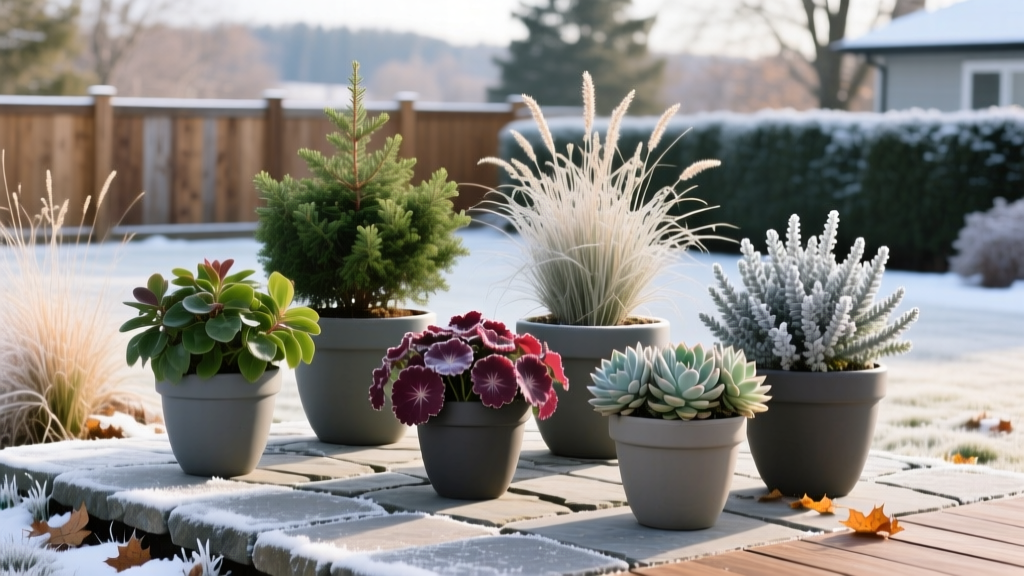
Best Potted Plants That Survive Winter Outside by Zone
The Physics of Container Freezing: Why In-Ground Rules Fail
Selecting potted plants that survive winter outside requires understanding a fundamental horticultural reality: container roots do not experience the same thermal protection as in-ground roots. Geothermal heat keeps native soil temperatures relatively stable, often hovering just above freezing even when ambient air temperatures plummet to zero. In a container, however, the root ball is entirely surrounded by ambient air. A plant rated for USDA Zone 5 (hardy to -20°F in the ground) will frequently suffer fatal root kill in a Zone 5 container because the entire soil mass freezes solid within 48 hours of a severe cold snap.
To successfully overwinter containers, you must apply the "Two-Zone Buffer Rule." Always select plants rated for at least two USDA hardiness zones colder than your actual location. If you live in Zone 6, choose plants hardy to Zone 4 (-30°F). This buffer accounts for the rapid thermal conductivity of container soil and the lack of geothermal insulation. For precise regional mapping, consult the USDA Plant Hardiness Zone Map to confirm your exact microclimate.
Regional Winterizing Calendar & Timing Matrix
Timing your winter preparation is just as critical as plant selection. Wrapping pots too early traps moisture and invites fungal pathogens and rodent nesting; wrapping too late exposes roots to sudden freeze-thaw cycles that cause cellular rupture. Follow this regional timeline to prepare your potted plants that survive winter outside.
| USDA Zones | Stop Fertilizing | Final Deep Watering | Apply Insulation/Wraps | Unwrap in Spring |
|---|---|---|---|---|
| Zones 3-4 | August 1 | Late September | Mid-October (after first hard freeze) | Mid-April |
| Zones 5-6 | August 15 | Late October | Mid-November | Early April |
| Zones 7-8 | September 1 | Mid-November | Early December (if freeze expected) | Mid-March |
| Zones 9-10 | October 1 | Year-round (reduce frequency) | Rarely needed (use frost cloth only) | N/A |
Top Cold-Hardy Potted Plants by Region
Not all perennials tolerate the confinement and thermal stress of a container. The following cultivars have proven root hardiness and structural resilience for outdoor winter survival.
Zones 3 to 5: The Deep Freeze Survivors
- Dwarf Alberta Spruce (Picea glauca 'Conica'): A classic evergreen that maintains its rigid conical shape without shearing. It is highly susceptible to winter desiccation (windburn), so it must be watered deeply in autumn and placed out of prevailing northwest winds.
- Coral Bells (Heuchera 'Palace Purple'): The semi-evergreen foliage turns a deep, bruised plum in freezing temperatures. The shallow root system requires a pot at least 14 inches deep to prevent the crown from heaving out of the soil during freeze-thaw cycles.
- Blue Star Juniper (Juniperus squamata 'Blue Star'): Extremely cold-hardy and drought-tolerant. The silver-blue needles take on a purplish hue in deep winter, providing excellent contrast against snow.
Zones 6 to 7: The Transitional Climate Picks
- Lenten Rose (Helleborus orientalis): One of the few perennials that actively push flower buds through snow in late winter. Their leathery, deer-resistant leaves remain evergreen, though they may look tattered by March. Snip off old foliage in early spring to reveal new blooms.
- Pigsqueak (Bergenia cordifolia 'Winter Glow'): Valued for its massive, cabbage-like leaves that transition from glossy green to brilliant crimson and bronze once temperatures drop below 30°F. It thrives in partial shade and requires minimal winter maintenance.
- Japanese Maple (Acer palmatum var. dissectum): While technically a shrub/tree, dwarf dissectums can overwinter in large half-barrel containers in Zone 7 if the pot is elevated off the ground to prevent drainage holes from freezing solid.
Zones 8 to 9: The Mild Winter Evergreens
- Hardy Rosemary (Salvia rosmarinus 'Arp'): Unlike standard culinary rosemary, the 'Arp' cultivar can survive dips into the low teens. It requires a fast-draining succulent mix; wet winter soil will cause root rot long before the cold does.
- Japanese Aralia (Fatsia japonica): Offers massive, tropical-looking glossy leaves that easily handle light frosts and brief dips into the mid-20s. Protect from harsh afternoon winter sun which can scald the foliage when frozen.
Container Material Survival Guide
The vessel holding your plant is just as vulnerable as the roots inside. Freeze-thaw cycles cause water trapped in porous materials to expand by 9%, leading to catastrophic structural failure.
⚠️ Warning: The Terracotta Trap
Never leave unglazed terracotta or ceramic clay pots outside in freezing climates. The porous clay absorbs autumn rain, which freezes and spalls (chips) or shatters the pot entirely. If you must use clay, seal the exterior with a penetrating masonry sealer and store it in an unheated garage.
- Fiberglass & Polyurethane (Best): Impervious to water absorption, lightweight, and highly insulating. These materials will not crack at -30°F and mimic the look of cast stone or lead.
- Thick-Walled Resin (Good): High-density polyethylene (HDPE) planters flex slightly during freeze expansion, preventing cracks. Ensure they are UV-stabilized to prevent winter sun degradation.
- Cedar & Redwood (Good): Natural wood planters offer excellent thermal insulation (R-value of roughly 1.4 per inch of thickness). Line the interior with heavy-duty pond liner to prevent wood rot from constant soil moisture.
- Metal (Poor): Galvanized steel or copper pots have high thermal conductivity. They transfer freezing air directly to the soil mass within hours, offering zero root protection.
Step-by-Step Winterizing Protocol
According to guidelines from the University of Minnesota Extension, proper insulation techniques can raise the root-zone temperature by 10°F to 15°F compared to unprotected pots.
- Elevate the Container: Place pot feet or 2-inch wooden blocks under the container. This prevents the drainage holes from sealing against frozen concrete, which would cause the pot to fill with ice and drown the roots.
- Break Thermal Bridging: Slide a piece of 1-inch thick rigid foam insulation board (R-5 value) under the pot feet. Concrete patios act as thermal sinks, pulling heat out of the pot from the bottom up.
- Wrap the Pot (Not the Plant): For Zones 3-6, wrap the exterior of the pot with 1/2-inch bubble wrap, securing it with twine. Cover the bubble wrap with burlap for aesthetic appeal and UV protection. Do not wrap the plant's foliage, which needs to breathe and shed snow.
- Mulch the Surface: Apply 2 inches of shredded bark or arborist wood chips over the soil surface. This prevents frost heaving, where the soil expands and pushes the plant's crown above the soil line, exposing the roots to dry air.
- Hydrate Before the Freeze: Water the container deeply the day before a predicted hard freeze. Moist soil holds thermal energy up to four times better than dry soil, releasing it slowly to the roots during the night.
Frequently Asked Questions
Can I leave potted hostas outside in winter?
Yes, hostas are extremely cold-hardy (Zones 3-9) and their foliage naturally dies back to the ground. The main threat to potted hostas is not the cold, but voles and mice chewing on the starchy rhizomes under the snow. Lay a piece of hardware cloth over the soil surface before mulching to deter rodents.
Should I water my outdoor potted plants during winter?
Evergreen potted plants (like spruce, boxwood, and hellebores) continue to transpire moisture through their leaves on sunny, windy winter days. If the soil is frozen solid, the roots cannot replace this lost water, leading to fatal winter desiccation. During winter thaws when the air temperature is above 40°F, check the soil moisture and water if the top two inches are dry.
What is the best soil mix for overwintering containers?
Avoid heavy garden soil or pure topsoil, which compacts and holds excessive water that turns to ice. Use a high-quality, fast-draining potting mix amended with 20% perlite or pumice. The increased air pockets provide both drainage and tiny thermal barriers that slow the freezing process.

