
Gardening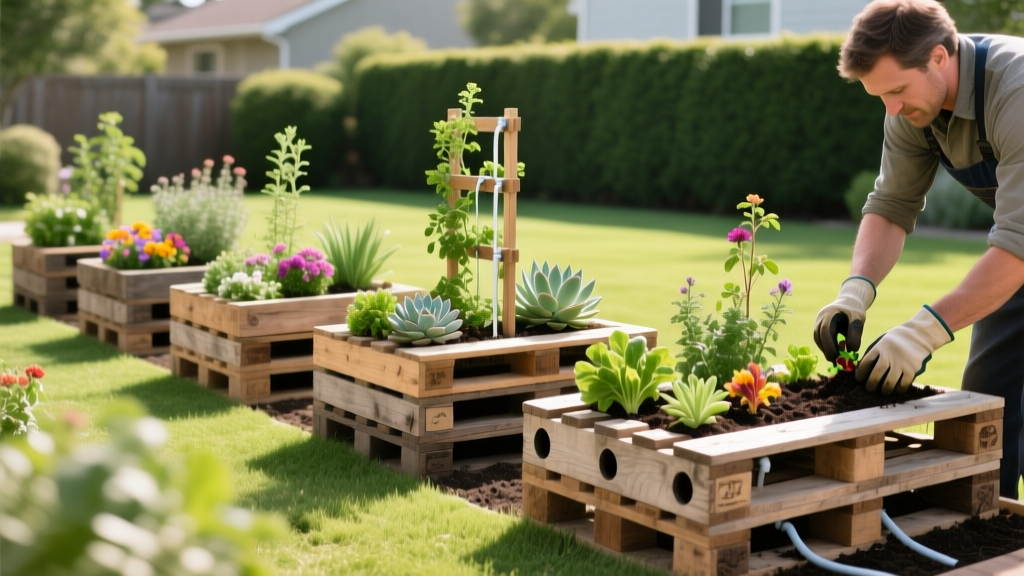
7 Practical Pallet Gardening Ideas: Step-by-Step Build & Plant Guide
Upcycling standard 48x40-inch GMA (Grocery Manufacturers Association) shipping pallets into garden infrastructure is one of the most cost-effective ways to maximize yield in small footprints. However, executing these pallet gardening ideas successfully requires navigating chemical treatment risks, structural load limits, and specific soil retention techniques. This guide bypasses superficial inspiration and provides exact measurements, material specifications, and planting frameworks for high-performance pallet builds.
The Golden Rule: Sourcing Safe Pallets for Edibles
Not all pallets are safe for growing food. International shipping pallets are stamped with ISPM 15 compliance codes indicating how the wood was treated for pests. According to the USDA APHIS Wood Packaging Material guidelines, you must verify these stamps before introducing the wood to your garden soil.
⚠️ CRITICAL SAFETY WARNING: Never use pallets stamped with MB (Methyl Bromide) or SF (Sulfuryl Fluoride) for edible gardens. These toxic fumigants leach into the soil and are absorbed by plant roots. Additionally, avoid pallets with visible oil spills, mold, or unknown chemical stains.
Decoding Pallet Stamps
| Stamp Code | Meaning | Edible Garden Safe? |
|---|---|---|
| HT | Heat Treated (minimum 56°C for 30 mins) | YES |
| KD | Kiln Dried | YES |
| DB | Debarked | YES (if paired with HT/KD) |
| MB | Methyl Bromide Fumigated | NO |
Essential Prep: Sanding, Sealing, and Lining
Raw pallet wood is porous and prone to rapid decay when exposed to constant soil moisture. Proper preparation extends the lifespan of your build from a single season to 4–5 years.
- Sanding: Run an orbital sander with 80-grit paper over all front-facing slats to remove splinters, followed by a 120-grit pass for a smooth finish. Leave the back and structural blocks unsanded to save time.
- Sealing: Apply two coats of 100% raw linseed oil (e.g., Sunnyside or Klean-Strip). Do not use boiled linseed oil; it contains metallic drying agents (cobalt/manganese) that are toxic to soil microbiomes. Expect to spend roughly $18 for a 16oz can, which is enough to seal two standard pallets.
- Lining: To prevent soil washout and protect the wood from constant moisture, staple a liner to the back and bottom of the pallet. Use 6-mil polyethylene sheeting for solid-back builds, or 4.5 oz woven geotextile fabric if you want the back to breathe and drain.
3 High-Yield Pallet Gardening Ideas (With Build Specs)
1. The Vertical A-Frame Herb Garden
Standing a pallet upright creates a 15-square-foot planting surface while occupying only 4 square feet of ground space. This build is ideal for Mediterranean herbs that require sharp drainage.
- Structure: Stand the pallet on its 40-inch edge. Anchor the back to a fence using 3-inch galvanized lag screws, or build an A-frame base using two 2x4s cut to 24 inches.
- Soil Volume: 1.8 cubic feet. Use a lightweight, well-draining mix like FoxFarm Ocean Forest blended with 20% perlite by volume to reduce weight and prevent compaction.
- Plant Pairings: Top slats: Trailing rosemary and creeping thyme (they will cascade down, hiding the wood). Middle slats: Greek oregano and French tarragon. Bottom slats: Upright basil and parsley.
2. The Lean-To Strawberry Tower
Strawberries require high airflow to prevent fungal diseases like botrytis. A pallet leaned at a 15-degree angle against a south-facing wall maximizes sun exposure and keeps fruit off the soil.
- Structure: Line the gaps between the front slats with landscape fabric, cutting small 'X' slits for planting. Secure the top to the wall with heavy-duty ratchet straps or L-brackets to prevent wind-tip.
- Soil Volume: 2.2 cubic feet. Use an acidic, peat-based potting mix (pH 5.5–6.5) amended with 1 cup of Espoma Holly-tone per cubic foot.
- Planting Strategy: Plant bare-root June-bearing strawberries (like 'Chandler' or 'Jewel') in the 'X' slits, spacing them 8 inches apart. Limit to 18–22 plants per pallet to prevent root competition.
3. The 3-Bay Pallet Compost System
According to University of Minnesota Extension composting guidelines, proper aeration is critical for hot composting (130°F–150°F). Pallets naturally provide the lateral airflow that solid wood or plastic bins lack.
- Structure: Stand three pallets on their long edges to form a 'U' shape. Connect the corners using 4-inch heavy-duty gate hinges or zip-ties for a collapsible design. Add a fourth pallet across the front, secured with bungee cords, to act as a removable door.
- Capacity: Each bay holds approximately 27 cubic feet (1 cubic yard) of material, the exact minimum volume required to sustain a hot compost core.
- Best Use: Bay 1 for fresh kitchen scraps and browns; Bay 2 for curing and turning; Bay 3 for finished, screened compost ready for the garden.
Soil Volume & Cost Calculator Matrix
Budgeting for upcycled builds requires accounting for the soil, which is often more expensive than the pallet itself. Below is a cost matrix based on 2026 average retail prices for premium bagged potting soils (approx. $12–$18 per 1.5 cu ft bag).
| Project Type | Soil Volume Needed | Est. Soil Cost | Hardware Cost |
|---|---|---|---|
| Vertical Herb Garden | 1.8 cu ft | $15 - $20 | $12 (Lag screws) |
| Strawberry Lean-To | 2.2 cu ft | $20 - $28 | $8 (Ratchet straps) |
| Compost Bay System | N/A (Uses yard waste) | $0 | $15 (Hinges/Bungees) |
Common Failure Modes & How to Avoid Them
1. The Tipping Hazard (Wind & Saturation)
A standard 48x40-inch pallet weighs 45 lbs empty. When filled with 2 cubic feet of soil and fully saturated with water, the total weight can exceed 160 lbs. A sudden gust of wind acting on the 15-square-foot surface area will easily tip an unanchored vertical pallet. The Fix: Drive two 24-inch galvanized steel rebar stakes through the bottom front slats directly into the ground, or bolt the top stringers to a structural fence post.
2. Accelerated Base Rot
When the bottom edge of a pallet sits directly on damp soil or grass, capillary action draws moisture up into the end-grain of the wood, causing rot within a single season. The EPA strongly advises against using chemical wood preservatives like creosote or copper azole near edible plants. The Fix: Elevate the base. Place composite decking scraps, paving stones, or a 2-inch layer of crushed gravel beneath the pallet's bottom contact points to break the soil-to-wood moisture bridge.
3. Soil Washout and Compaction
Using cheap topsoil or garden soil in a vertical pallet results in severe compaction and mud washing out through the slats during heavy rain. The Fix: Never use native dirt in vertical builds. Always use a peat- or coir-based potting mix amended with 15-20% perlite or pumice. The organic matter retains moisture while the perlite maintains the macropores necessary for root oxygenation in a confined, gravity-stressed environment.

