
Gardening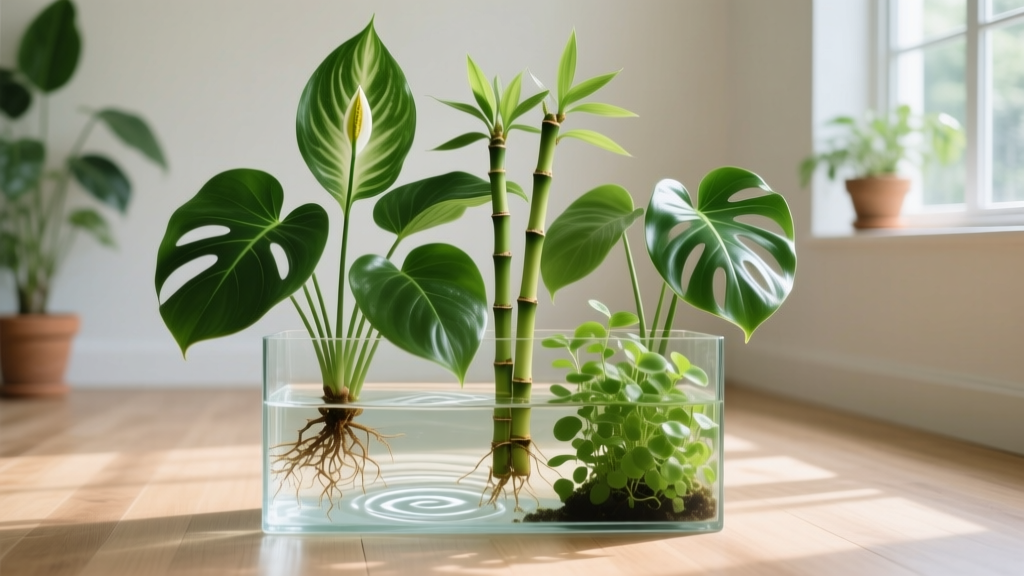
Top Plants That Grow Inside Water: Establishment & Propagation Guide
Establishing plants that grow inside water requires a precise understanding of aquatic root physiology, osmotic pressure, and nutrient dosing. While many homeowners successfully root cuttings in a glass of tap water, transitioning those cuttings into long-term, thriving aquatic or semi-aquatic specimens demands a structured protocol. This guide details the exact measurements, chemical balances, and environmental controls required to establish robust hydroculture systems for indoor foliage.
The Biology of Aquatic Root Establishment
Roots developed in soil are structurally distinct from those developed in water. Soil roots rely on microscopic root hairs to extract moisture and nutrients from substrate particles. When you submerge a stem cutting, the plant must generate adventitious aquatic roots. These water roots lack root hairs; instead, they absorb dissolved oxygen and nutrients directly through their outer epidermal layers via osmosis.
Hydroculture vs. Hydroponics: Hydroponics typically involves a continuous flow of highly oxygenated, nutrient-rich water (like NFT or DWC systems) optimized for rapid agricultural yield. Hydroculture (often called semi-hydroponics) refers to growing plants in static water or an inert, water-wicking medium like LECA (Lightweight Expanded Clay Aggregate). For indoor ornamental plants that grow inside water, hydroculture is the standard, low-maintenance approach.
Vessel Selection and Algae Mitigation
The container you choose directly impacts the long-term viability of your water-bound plants. While clear glass propagation vases are aesthetically pleasing and allow for root monitoring, they introduce a significant biological hazard: photosynthetic algae.
- Clear Glass Vessels: Allow light to penetrate the water column, promoting algae growth. Algae competes with the plant for dissolved nutrients and depletes oxygen levels at night, leading to hypoxic root stress. If using clear glass, you must change the water every 7 to 10 days and physically scrub the interior walls.
- Opaque Ceramic or Metal Vessels: Block light penetration entirely, starving algae of the photons required for photosynthesis. Opaque vessels allow water to remain viable for 30 to 45 days before a complete flush is required.
Step-by-Step Node Preparation and Submersion
Improper cutting technique is the primary cause of failure when establishing plants that grow inside water. Follow this exact protocol to maximize cellular division at the meristematic tissue.
- Identify the Node: Locate a healthy vegetative node (the bump on the stem where leaves or aerial roots emerge). The node contains the undifferentiated cells required to generate new root tissue.
- Execute the Cut: Using sterilized bypass pruners (wiped with 70% isopropyl alcohol), make a clean 45-degree angle cut exactly 1/4 inch below the node. A 45-degree angle increases the surface area for water uptake and prevents the stem from sitting flush against the bottom of the vessel, which can cause tissue necrosis.
- Defoliate Submerged Areas: Remove any leaves that will sit below the water line. Submerged foliage will rot within 48 hours, releasing ethylene gas and fostering bacterial blooms (specifically Pseudomonas species).
- Set the Water Level: Fill the vessel with filtered or distilled water. The water line should sit exactly 1 to 1.5 inches above the lowest node. Submerging too much of the stem restricts oxygen exchange at the upper nodes.
Nutrient Dosing for Water-Only Environments
Pure water contains zero nutritional value. After the initial root primordia emerge (usually 10 to 14 days post-cutting), you must introduce a synthetic liquid fertilizer. Organic fertilizers (like fish emulsion or compost tea) must never be used in static water setups; they require soil microbes to break them down and will instantly cause anaerobic bacterial rot in a glass vase.
According to propagation guidelines from the Royal Horticultural Society, water-rooted cuttings are highly susceptible to osmotic shock. You must dose fertilizers at exactly 25% of the manufacturer's recommended soil strength.
| Fertilizer Brand & Formula | NPK Ratio | Water-Only Dose (Per Gallon) | Best Use Case |
|---|---|---|---|
| Dyna-Gro Foliage-Pro | 9-3-6 | 1/4 tsp | Foliage-heavy aroids (Monstera, Philodendron) |
| General Hydroponics FloraGro | 2-4-1 | 1/2 tsp | Initial root development phase |
| Jack's Classic Hydro | 5-12-26 | 1/4 tsp | Flowering aquatic plants (Peace Lily, Orchids) |
Transitioning to Semi-Hydroponics (LECA)
While some plants can live indefinitely in pure water, most species will eventually suffer from structural instability and chronic oxygen deprivation. Transitioning established water roots into LECA (Hydroton 8-16mm clay pebbles) provides the physical support and air-to-water ratio necessary for decade-long survival.
The LECA Transition Rule: Never move a plant directly from pure water to dry soil. The water roots will instantly desiccate and die. LECA acts as the perfect bridge, wicking moisture via capillary action while maintaining 30% air space around the root mass.
To execute the transition, rinse the LECA pebbles thoroughly to remove clay dust. Place a 1-inch layer of LECA at the bottom of a net pot, position the water-rooted plant, and fill the remaining space with LECA. Pour a nutrient solution into the outer cachepot until it reaches exactly 1/3 the height of the net pot. The LECA will wick the solution upward, keeping the roots moist without drowning them.
Troubleshooting Root Rot and Pathogens
Even with meticulous care, aquatic environments can harbor pathogens. Identifying the specific failure mode is critical for saving the specimen. The Royal Horticultural Society notes that waterlogged environments are prime breeding grounds for specific water molds.
Symptom: Brown, Mushy Roots with a Foul Odor
Cause: Pythium or Phytophthora (water molds). This occurs when water temperatures exceed 78°F (25°C) and dissolved oxygen levels plummet, creating an anaerobic environment.
Fix: Remove the plant immediately. Using sterilized scissors, cut away all brown and translucent root tissue until only firm, white tissue remains. Submerge the remaining healthy roots in a 3% hydrogen peroxide solution for exactly 5 minutes to kill surface spores. Rinse with distilled water and place in a fresh vessel with an air stone to increase dissolved oxygen.
Symptom: Clear, Slippery Slime on White Roots
Cause: Bacterial biofilm, typically Pseudomonas. This is often caused by decaying organic matter (like a fallen leaf) in the water or using unfiltered tap water high in organic particulates.
Fix: Gently wash the roots under lukewarm running water, physically rubbing the slime away with your fingers. Change the water entirely and add one drop of 3% hydrogen peroxide per cup of water to inhibit bacterial replication without damaging the root epidermis.
Mastering the cultivation of plants that grow inside water bridges the gap between simple propagation and advanced indoor hydroculture. By strictly controlling light exposure, dosing synthetic nutrients at quarter-strength, and utilizing inert mediums like LECA for long-term establishment, you can maintain thriving, soil-free aquatic gardens indefinitely.

