
Gardening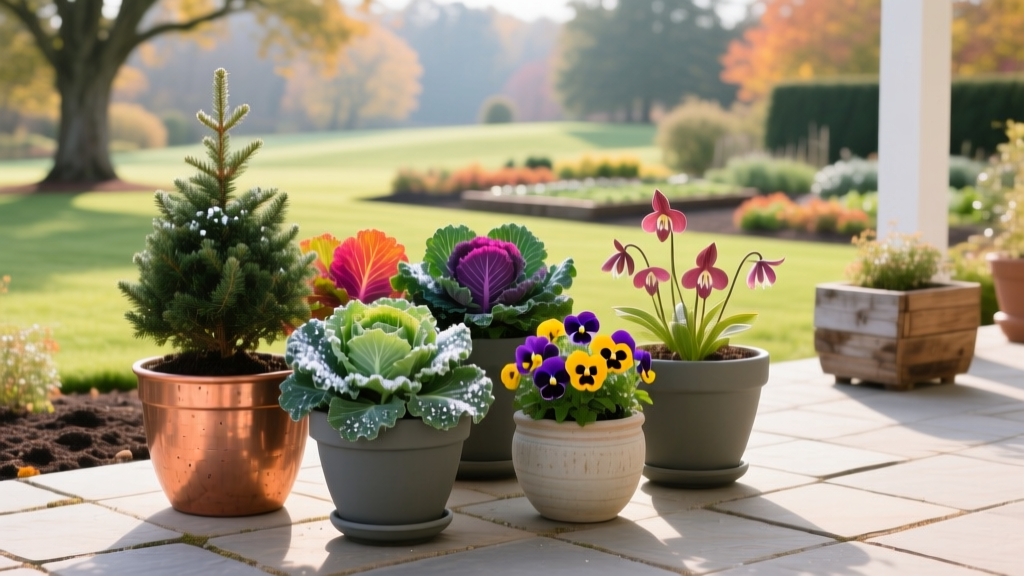
Regional Timing Guide for Planting Winter Containers by Zone
The success of a winter container garden hinges entirely on the calendar. Unlike in-ground plantings, containerized root systems are fully exposed to ambient air temperatures, making the timing of your autumn planting critical for survival. If you plant too late, roots fail to anchor before the deep freeze; plant too early, and heat stress compromises cold-hardy cultivars. This guide provides a precise, zone-by-zone framework for planting winter containers, ensuring your arrangements thrive from the first frost through the spring thaw.
The Science of Fall Root Establishment
Root growth in most temperate perennials and shrubs slows significantly when soil temperatures drop below 50°F (10°C) and ceases entirely at 40°F (4.4°C). The primary goal when planting winter containers is to establish a robust root-to-soil bond before the soil mass inside the pot hits that 40°F threshold. According to the The Old Farmer's Almanac, a container left above ground will experience soil temperatures nearly identical to the ambient air temperature, meaning the window for root establishment is much shorter than for in-ground beds.
Critical Threshold: Never plant dormant stock into frozen or waterlogged potting mix. If your region experiences an early freeze, hold plants in an unheated garage or cold frame until a brief warm spell allows for planting, or pivot to pre-planted nursery pots dropped directly into your decorative outer cache-pots.
Regional Planting Calendars by USDA Hardiness Zone
Timing your planting requires cross-referencing your local first-frost date with the specific thermal mass of your containers. The USDA Plant Hardiness Zone Map provides the baseline, but microclimates dictate the exact week. Use the matrix below to schedule your planting days.
| USDA Zone | Target Planting Window | Soil Temp Goal at Planting | Recommended Container Material |
|---|---|---|---|
| Zones 3-4 | Late August – Mid September | 55°F – 65°F | Fiberglass, Polyurethane, Cedar |
| Zones 5-6 | Mid September – Mid October | 50°F – 60°F | Thick-walled Plastic, Metal (lined) |
| Zones 7-8 | Late October – Late November | 45°F – 55°F | Glazed Ceramic, Concrete, Wood |
| Zones 9-10 | December – January | 50°F – 65°F | Terracotta, Ceramic, Resin |
Zone-Specific Plant Selections & Soil Formulations
The plants you select must align with your planting window and regional winter severity. A general rule of thumb for container hardiness is to select plants rated for two zones colder than your actual location, as the root ball will experience temperatures 10°F to 15°F colder than the ambient air.
Zones 3-5: Harsh Winters & Deep Freezes
In these regions, planting winter containers is less about floral blooms and more about structural evergreens and textural foliage.
- Anchor Plants: Picea glauca 'Conica' (Dwarf Alberta Spruce) or Juniperus squamata 'Blue Star'. These tolerate root freezing once fully dormant.
- Fillers: Heuchera 'Palace Purple' (Coral Bells) and ornamental kale (Brassica oleracea), which actually sweeten and deepen in color after multiple hard frosts.
- Soil Mix: Use a heavy, moisture-retentive mix. Combine 60% standard potting soil with 20% topsoil and 20% compost. The added weight prevents wind-tip and the topsoil buffers rapid temperature fluctuations.
Zones 6-8: Moderate Winters & Freeze-Thaw Cycles
The primary enemy here is not the cold, but the heaving caused by repeated freezing and thawing, which tears delicate root hairs.
- Anchor Plants: Skimmia japonica (offers red winter buds) or Nandina domestica 'Firepower'.
- Fillers: Viola cornuta (Horned Violets) and Cyclamen coum. Violas will pause blooming during deep freezes but resume immediately during January thaws.
- Soil Mix: Prioritize drainage. A mix of 70% high-quality potting soil (like FoxFarm Ocean Forest) and 30% coarse perlite or pine bark fines ensures water doesn't pool and expand into ice lenses inside the pot.
Zones 9-11: Mild Winters & Cool-Season Growth
Winter is the primary growing season in these zones. Planting winter containers here focuses on maximizing the cool, wet months before summer heat returns.
- Anchor Plants: Phormium tenax (New Zealand Flax) or dwarf citrus trees brought outdoors for the cool season.
- Fillers: Primula obconica, Calendula officinalis, and trailing Bacopa.
- Soil Mix: Standard, well-draining potting mix with a slow-release fertilizer (e.g., Osmocote 19-6-12) mixed in at planting, as root activity remains high all winter.
Container Insulation & Microclimate Mapping
According to the Royal Horticultural Society, elevating and insulating pots is just as critical as the planting date. Follow this step-by-step protocol to winterize your containers immediately after planting:
- Elevate the Base: Install pot feet or cedar risers ($15–$22 per 4-pack) to lift the container at least 2 inches off the ground. This prevents the drainage hole from freezing to the patio surface, which causes fatal waterlogging.
- Wrap the Root Zone (Zones 3-6): For ceramic or thin-resin pots, wrap the exterior with a layer of bubble wrap, followed by a breathable burlap sack. Secure with jute twine. Never use solid plastic sheeting, which traps condensation and promotes fungal rot on the pot's exterior.
- Mulch the Surface: Apply a 2-inch layer of shredded hardwood bark or straw over the soil surface. This acts as a thermal blanket, reducing the depth of the frost line inside the pot by up to 30%.
- Cluster for Thermal Mass: Group containers tightly together against a south- or west-facing wall. The building's radiant heat and the combined soil mass of the clustered pots will raise the immediate microclimate temperature by 3°F to 5°F.
Material Cost Note: If you are investing in new containers for harsh climates, high-density polyurethane planters (priced between $120 and $280 for 24-inch models) mimic the look of cast stone but will not crack during freeze-thaw cycles, offering a superior long-term ROI over traditional terracotta.
Common Timing Mistakes & Troubleshooting
Mistake: Watering dormant containers in late winter.
Many gardeners assume that because the topsoil looks dry in February, the plant needs water. However, if the root ball is still frozen, the plant cannot uptake moisture, and the added water will freeze at night, causing root suffocation. Only water when a soil probe confirms the top 4 inches are thawed and the ambient air temperature is above 40°F.
Desiccation vs. Freeze Damage: Browning foliage in February is rarely caused by the cold itself; it is caused by winter desiccation. Evergreens continue to transpire moisture through their needles on sunny, windy winter days, but cannot replace it from frozen soil. To prevent this, apply an anti-desiccant spray (like Wilt Pruf, approx. $18 per quart) to broadleaf evergreens in your containers in late November, and again during a mid-winter thaw.
Frequently Asked Questions
Can I use terracotta pots for winter containers?
In Zones 3-7, unglazed terracotta is highly discouraged. The porous clay absorbs moisture, which expands when it freezes, causing the pot to spall or shatter entirely. If you must use terracotta, seal the interior and exterior with a penetrating masonry sealer before planting, and keep it under a covered eave to prevent rain and snow accumulation.
When should I remove winter container insulation?
Remove burlap and bubble wrap gradually in early spring, once the nighttime temperatures consistently stay above 32°F (0°C) and the risk of a hard, penetrating freeze has passed. Leaving insulation on too late in the spring can trap excess moisture and overheat the root zone as the sun angle increases.

