
Gardening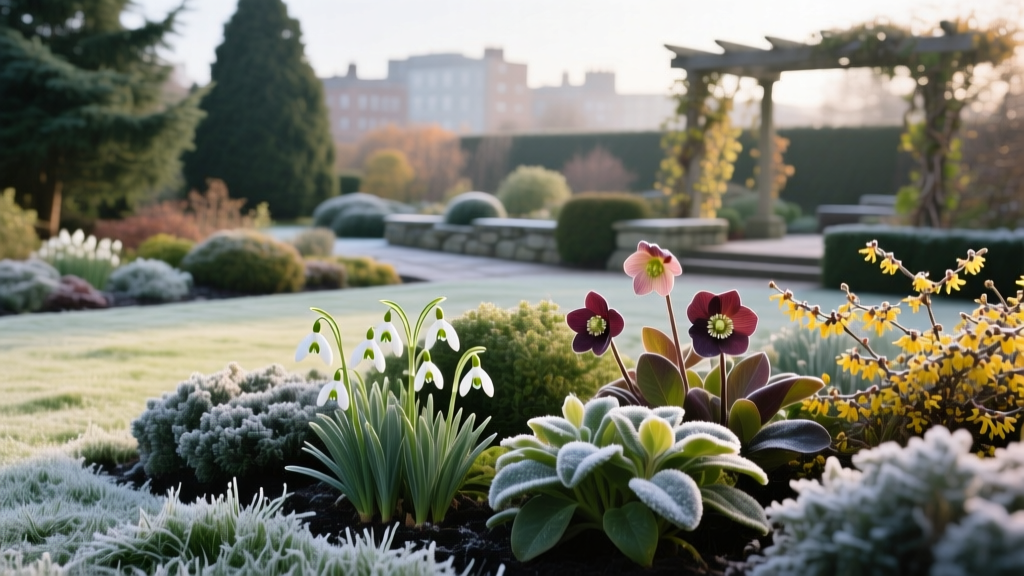
Hardy Plants That Bloom in Winter: A Regional Timing Guide
The Physiology of Winter Blooms: Chill Hours and Photoperiodism
Selecting plants that bloom in winter requires more than just choosing cold-tolerant species; it demands an understanding of regional microclimates and physiological triggers. Unlike spring ephemerals that rely solely on warming soil temperatures, true winter-blooming perennials and shrubs utilize specific mechanisms like vernalization and photoperiodism to initiate flower bud development during the shortest days of the year.
Vernalization—the requirement of prolonged exposure to cold temperatures (typically below 40°F for 12 to 16 weeks)—is mandatory for bulbs like Galanthus nivalis (Snowdrops) to break dormancy. Conversely, shrubs like Camellia japonica rely on photoperiodism, sensing the shortening days of late autumn to set buds, which then open during mild winter spells. Matching these biological requirements to your specific USDA Plant Hardiness Zone is the foundational step in winter garden planning.
Regional Planting Calendar for Winter-Flowering Perennials
Timing is critical. Planting too late in the autumn prevents root establishment before the ground freezes, leading to frost heave and crown rot. The table below outlines the optimal planting windows and expected bloom peaks based on regional climate data.
| USDA Zone | Optimal Planting Window | Recommended Species | Expected Bloom Peak |
|---|---|---|---|
| Zones 5-6 | Early Sept - Mid Oct | Helleborus niger, Galanthus elwesii | Late February - March |
| Zones 7-8 | Mid Oct - Late Nov | Helleborus x hybridus, Camellia sasanqua, Cyclamen coum | December - February |
| Zones 9-10 | November - January | Camellia japonica, Mahonia x media, Eranthis hyemalis | November - March |
Top 5 Reliable Plants That Bloom in Winter (Deep Dive)
To build a resilient winter garden, focus on cultivars with proven track records for cold-hardiness and disease resistance. Below is a technical breakdown of five high-performing species.
1. Helleborus x hybridus (Lenten Rose)
While often called Lenten Roses, modern breeding has shifted bloom times earlier. For true mid-winter color, look for the Helleborus Gold Collection, specifically the 'Ice N' Roses' series, which begins blooming in December in Zones 6-8. Hellebores require alkaline to neutral soil (pH 6.5–7.5). If your soil is heavy clay, amend the planting hole with 30% pine bark fines and perlite to prevent crown rot. Expect to pay $18–$28 for a 2-quart nursery pot. According to Penn State Extension, removing old, tattered foliage in early December is crucial to prevent Microsphaeropsis hellebori (leaf spot) spores from transferring to the emerging flower buds.
2. Camellia japonica and Camellia sasanqua
Camellias are the backbone of the southern winter garden. C. sasanqua blooms earlier (October–December), while C. japonica peaks from January through March. They strictly require acidic soil (pH 5.5–6.5). If your native soil pH is above 6.5, apply elemental sulfur at a rate of 1 pound per 100 square feet six months prior to planting. Mature 3-gallon specimens typically cost $45–$85. Plant them slightly above grade (1 inch high) to ensure water drains away from the root crown, and apply a 3-inch layer of pine needle mulch to maintain soil acidity and moisture.
3. Galanthus nivalis (Common Snowdrop)
Snowdrops require approximately 15 weeks of chill hours below 40°F to initiate flowering. Avoid purchasing dry bulbs in late summer, as they desiccate easily and have a 40% failure rate. Instead, source bulbs "in the green" (dug and shipped while still in leaf) immediately after they finish blooming in early spring, or plant freshly lifted dormant bulbs in September. Plant them 3 inches deep and 2 inches apart in dappled shade. A 50-bulb clump "in the green" costs around $15–$22.
4. Mahonia x media 'Charity'
Valued for its architectural, holly-like foliage and fragrant yellow racemes, 'Charity' blooms from November to February. It thrives in partial to full shade and tolerates a wide pH range (5.5–7.5). The primary failure mode for Mahonia is powdery mildew in stagnant, humid air. Ensure a minimum spacing of 5 feet between plants to promote airflow. Prune out one-third of the oldest stems immediately after flowering to maintain a compact, 6-to-8-foot structure and encourage lateral branching.
5. Cyclamen coum
This hardy tuberous perennial produces delicate pink, magenta, or white flowers from January to March, often blooming through light snow cover. The critical success factor for Cyclamen coum is tuber orientation and drainage. The tuber is flattened and slightly domed; the roots emerge from the smooth bottom, while the shoots emerge from the rough, slightly concave top. Plant the tuber so the top is exactly level with the soil surface. Covering the crown with mulch or soil will cause rapid rot. They prefer a gritty, humus-rich soil and cost about $8–$12 per tuber.
Troubleshooting Winter Bloom Failures
When plants that bloom in winter fail to perform, the issue is almost always traceable to soil moisture, temperature fluctuations, or improper planting depth. Use this diagnostic matrix to identify and correct the problem.
Diagnostic Matrix: Winter Bloom Issues
- Symptom: Flower buds form but turn brown and drop before opening.
Cause: Frost desiccation caused by dry winter winds and frozen soil.
Fix: Apply an anti-desiccant spray (like Wilt Pruf) in late November and ensure deep watering before the first hard freeze. - Symptom: Foliage is lush and green, but no flower buds appear.
Cause: Excessive nitrogen fertilization or insufficient chill hours.
Fix: Switch to a low-nitrogen, high-phosphorus fertilizer (e.g., 5-10-10) in early autumn. Verify the plant's chill-hour requirement matches your zone's historical data. - Symptom: Plant heaves out of the ground, exposing roots.
Cause: Frost heave due to freeze-thaw cycles in poorly drained clay soil.
Fix: Gently press the plant back into the soil and apply a 2-inch layer of shredded leaf mold to insulate the soil surface and moderate temperature swings.
Soil Preparation and Winter Mulching Techniques
The soil ecosystem slows down but does not stop during winter. Preparing the soil in autumn dictates the success of winter blooms. Avoid using heavy, matting mulches like shredded hardwood or rubber mulch around winter-blooming perennials. These materials trap excess moisture against the crowns of Hellebores and Cyclamen, inviting fungal pathogens like Phytophthora.
Instead, utilize shredded leaf mold or pine bark fines. Leaf mold mimics the natural woodland floor, retaining moisture while allowing gas exchange. For acid-loving winter bloomers like Camellias and winter Heath (Erica carnea), a 3-inch layer of composted pine needles provides both insulation and a slow-release acidifying effect as it breaks down. The Royal Horticultural Society recommends leaving fallen leaves in border beds over winter to protect the soil structure and provide overwintering habitat for beneficial predatory insects that will control early spring aphid populations.
Frequently Asked Questions
Can I plant winter-blooming bulbs in containers?
Yes, but container roots are exposed to ambient air temperatures, making them roughly two hardiness zones colder than in-ground plants. If you live in Zone 7, treat container bulbs as if they are in Zone 5. Use a potting mix with 20% perlite for drainage, and wrap the pots in bubble wrap or burlap during sub-20°F freezes to prevent the terracotta or ceramic from cracking and the roots from freezing solid.
Do winter-blooming plants require full sun?
Most plants that bloom in winter are native to woodland edges and thrive in dappled shade or partial sun. Winter sunlight is less intense, so while they can tolerate more direct sun in January than in July, planting them under the canopy of deciduous trees is ideal. This provides full sun exposure in the winter when the trees are bare, and protective shade in the summer when the trees leaf out.

