
Gardening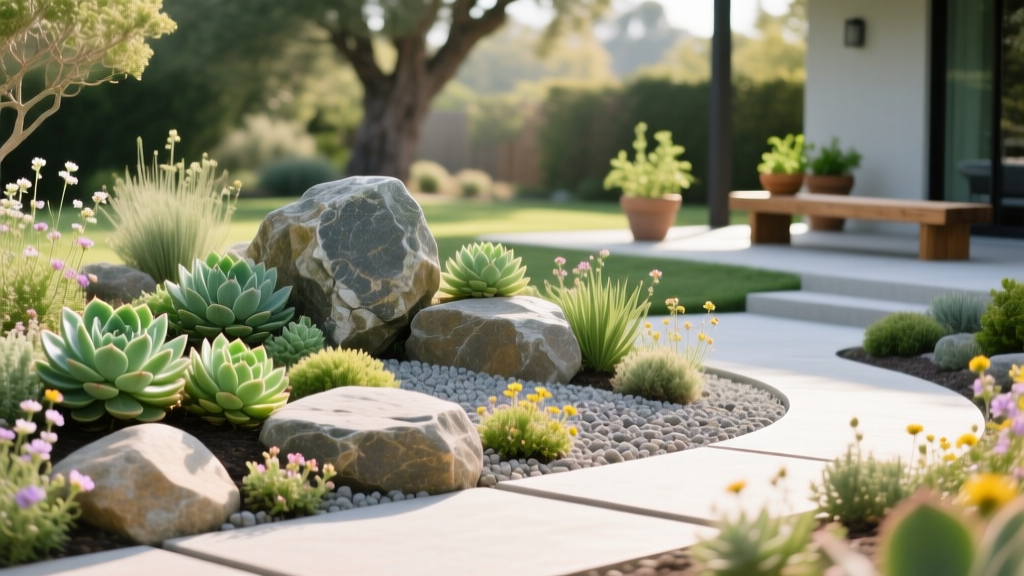
Build a Rock Garden: Beginner Guide & The 'Rick Garden' Typo
Decoding the Search: Rock Garden vs. 'Rick Garden'
If you landed on this guide after typing rick garden into your search engine, you are not alone. While a 'rick' is historically an old English term for a stack of wood or hay (and occasionally a phonetic typo), the vast majority of modern searches for a 'rick garden' are actually looking for a rock garden. Whether you are dealing with a simple keyboard slip or exploring regional landscaping dialects, the principles of building a beautiful, drought-tolerant alpine landscape remain exactly the same.
A well-constructed rock garden mimics natural geological outcroppings, providing exceptional drainage and creating unique microclimates for hardy alpine and succulent plants. According to the North American Rock Garden Society (NARGS), these landscapes are among the most ecologically beneficial and low-maintenance garden types you can install, requiring up to 75% less water than traditional perennial beds once established.
Site Selection and Microclimate Mapping
The single most common failure mode for beginner rock gardens is poor site selection. Alpines and succulents do not tolerate 'wet feet' (waterlogged roots). You must prioritize drainage and sunlight over aesthetic convenience.
- Sunlight Requirements: Map your yard to find a zone that receives a minimum of 6 to 8 hours of direct, unfiltered sunlight daily. South-facing or west-facing slopes are ideal.
- Elevation and Slope: Never build a rock garden in a low-lying depression where lawn runoff collects. If your yard is entirely flat, you must construct a berm (a raised mound of soil) at least 18 to 24 inches high to ensure gravity-assisted drainage.
- Tree Proximity: Avoid placing your garden under deciduous trees. Falling autumn leaves will smother small alpine crowns and rot them over winter. Evergreens are slightly better, but root competition for moisture remains an issue.
Stone Selection Matrix and 2026 Pricing
The stones you choose dictate both the visual aesthetic and the soil chemistry of your garden. Different rocks leach different minerals, which alters your soil pH. Here is a breakdown of the most common hardscape stones used in modern rock gardening, including estimated bulk pricing for 2026.
| Stone Type | Avg. Cost (Per Ton) | pH Impact | Best Use Case |
|---|---|---|---|
| Tufa | $250 - $350 | Neutral to Slightly Alkaline | Highly porous; perfect for drilling holes to plant saxatile (rock-dwelling) alpines directly into the stone. |
| Limestone | $120 - $180 | Alkaline (Raises pH) | Classic, layered look. Avoid if you plan to grow acid-loving plants like certain dwarf conifers or rhododendrons. |
| Granite | $180 - $250 | Neutral | Extremely durable, heavy, and inert. Excellent for large anchor boulders that won't alter soil chemistry. |
| Sandstone | $150 - $220 | Slightly Acidic to Neutral | Weathers beautifully and layers easily. Great for creating natural-looking strata and crevices. |
Pro Tip: Always source your stone locally. Transporting multi-ton boulders across state lines will double or triple your freight costs, and local stone naturally matches your regional geological aesthetic.
The 50/50 Drainage Soil Formula
Do not use standard garden topsoil or bagged potting mix for a rock garden. These retain too much moisture and will cause alpine crown rot. The University of Minnesota Extension recommends a highly friable, fast-draining matrix.
🌱 The Ideal Rock Garden Soil Recipe:
- 50% Inorganic Aggregate: Coarse horticultural grit, crushed granite, or pumice (3/8-inch size). Never use fine play sand, which compacts and creates a concrete-like barrier.
- 25% Organic Matter: Pine bark fines or high-quality leaf compost to provide slow-release nutrients and retain minimal moisture.
- 25% Loam/Topsoil: Screened native soil to anchor the plants and provide microbial life.
Top 4 Bulletproof Alpine Plants for Beginners
When selecting plants, prioritize low-growing, mat-forming varieties that thrive in poor soil and high UV exposure. The Royal Horticultural Society (RHS) highlights these four cultivars as exceptionally resilient for novice gardeners:
- Sedum spurium 'Dragon's Blood' (Zones 3-8): A vigorous, mat-forming succulent that turns a brilliant crimson in autumn. It requires virtually zero supplemental watering once established and suppresses weeds effectively.
- Sempervivum tectorum (Hens and Chicks) (Zones 3-8): The quintessential rock garden plant. These geometric rosettes thrive in the tight, dry crevices between stones and propagate themselves annually.
- Phlox subulata (Creeping Phlox) (Zones 3-9): Provides a massive, carpet-like explosion of pink, purple, or white blooms in early spring. Shear it back by one-third immediately after flowering to maintain a tight, woody base.
- Aubrieta deltoidea (Rock Cress) (Zones 4-8): Features vibrant violet-blue spring flowers and cascades beautifully over the edges of retaining stones. Requires slightly more moisture than sedum but remains highly drought-tolerant.
⚠️ Invasive Species Warning: Before purchasing creeping groundcovers, check your state's Department of Agriculture noxious weed list. Plants like Vinca minor (Periwinkle) and Hedera helix (English Ivy) are frequently sold in garden centers but are highly invasive ecological threats in many North American and European regions. Stick to the non-invasive cultivars listed above.
Step-by-Step Construction Flow
Follow this sequence to ensure structural integrity and natural aesthetics:
- Clear and Grade: Remove all existing turf and weeds. Lay down overlapping layers of plain brown cardboard (avoid synthetic weed fabrics, which eventually trap silt and prevent water percolation).
- Place Anchor Stones: Position your largest boulders first. Critical Step: Bury at least one-third of every anchor stone below the soil line. This prevents frost heave in freezing climates and mimics natural geological outcroppings rather than looking like 'dropped meteorites'.
- Build the Soil Matrix: Mound your custom 50/50 soil mix around and between the stones, sloping it gently away from the center to encourage runoff.
- Plant and Tuck: Plant your alpines, ensuring the crown (where the stem meets the roots) sits slightly above the surrounding soil grade to prevent water pooling.
- Apply Gravel Mulch: Top-dress the entire bed with a 1-inch layer of 3/8-inch crushed gravel (pea gravel or decomposed granite). This keeps soil off the plant foliage, prevents crown rot, and gives the garden a finished, professional look.
Frequently Asked Questions
Why do people search for a 'rick garden'?
It is almost entirely a typographical error for 'rock garden' caused by the proximity of the 'i' and 'o' keys on standard QWERTY keyboards, or a phonetic spelling based on regional accents. Occasionally, it refers to a 'rick' (stack) of firewood integrated into a garden design, but horticultural intent usually points to alpine rockscaping.
Do I need to fertilize my rock garden?
Rarely. Alpines are adapted to nutrient-poor environments. Applying standard high-nitrogen lawn or garden fertilizers will cause leggy, weak growth and make the plants highly susceptible to winter kill. If plants look pale after 3 years, apply a light top-dressing of compost or a diluted liquid kelp extract in early spring.
How do I maintain the garden in autumn?
Never use a metal rake on a rock garden, as it will tear the shallow root systems of succulents. Instead, use a high-powered cordless leaf blower on a low setting to gently remove fallen leaves and debris from the stone crevices before winter snow cover arrives.

