
Gardening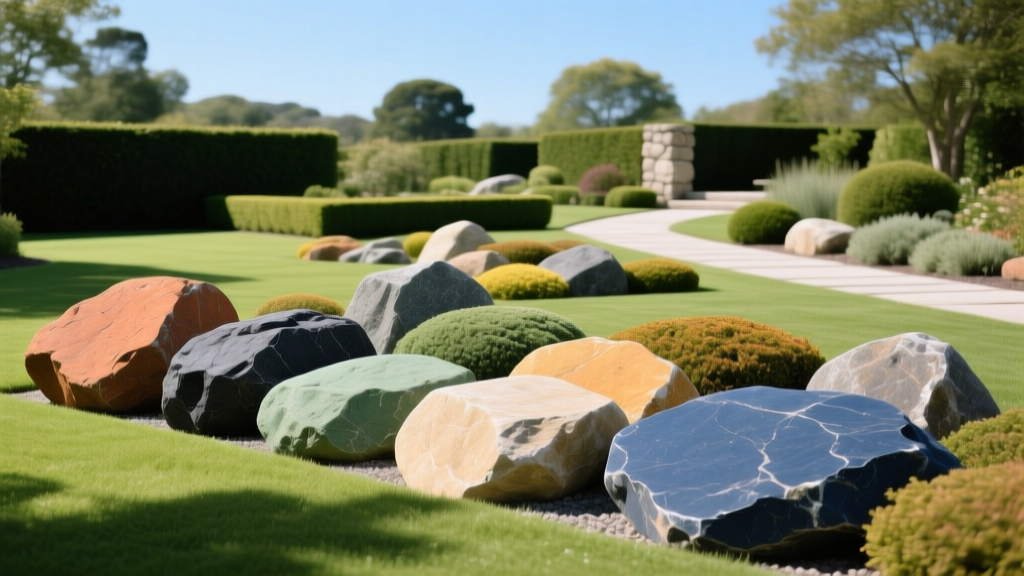
What Colors Do Rock Ground Covers Come In? A Complete Palette Guide
The Complete Color Spectrum of Rock Ground Covers
When homeowners ask, 'what colors do rock ground covers come in?', the answer spans the entire natural geological spectrum. Unlike organic mulches that are limited to decaying browns and blacks, inorganic rock ground covers offer a permanent palette ranging from stark, reflective whites to deep, heat-absorbing charcoals. Selecting the right color is not merely an aesthetic choice; it fundamentally alters your garden's microclimate, soil temperature, and the viability of surrounding plant life.
According to the Missouri Botanical Garden, inorganic mulches like stone and gravel do not break down to improve soil structure, meaning their visual and thermal impact on the landscape remains constant for decades. Understanding the specific hues available—and how they interact with sunlight—is the first step in designing a resilient landscape.
Earth Tones and Neutrals
- Decomposed Granite (DG): Available in warm golds, rustic tans, deep browns, and oxidized rusts. DG is a weathered rock that packs tightly, making it ideal for pathways and patios.
- Pea Gravel: A multi-colored blend of naturally rounded stones featuring speckled grays, muted browns, and soft whites. It provides a relaxed, informal cottage-garden aesthetic.
- Basalt and Trap Rock: Typically dark gray to charcoal black, offering a moody, modern contrast against bright green foliage.
High-Contrast and Bold Hues
- Lava Rock: Famous for its fiery oxidized reds, but also widely available in jet black and earthy brown. The porous texture creates a matte finish that absorbs light rather than reflecting it.
- Marble Chips: Brilliant, crystalline white or soft off-white. These are highly reflective and create a crisp, formal look, though they require high maintenance to keep clean.
Cool, Coastal, and Mottled Tones
- River Rock: Smooth, water-tumbled stones that come in mottled grays, blues, tans, and whites. The varied coloration mimics natural creek beds and pairs well with moisture-loving plants.
- Slate Chips: Unique for their non-fading shades of deep purple, oceanic green, and rust. Slate lays flat, creating a sleek, architectural surface.
💡 Pro Tip: The 'Wet Look' Test
Rocks look drastically different when wet. Before purchasing bulk quantities, take a sample home, soak it in a bucket of water, and place it in your garden bed. A dry, dusty tan river rock might turn into a rich, dark caramel when exposed to rain and irrigation.
Rocks look drastically different when wet. Before purchasing bulk quantities, take a sample home, soak it in a bucket of water, and place it in your garden bed. A dry, dusty tan river rock might turn into a rich, dark caramel when exposed to rain and irrigation.
Rock Ground Cover Comparison Matrix
The table below breaks down the primary color families, average material costs per ton (excluding delivery and labor), and the ideal landscape applications for each rock type.
| Rock Type | Primary Colors | Avg. Cost (Per Ton) | Best Application |
|---|---|---|---|
| Decomposed Granite | Gold, Tan, Rust, Brown | $40 - $65 | Pathways, Patios, Xeriscaping |
| Red Lava Rock | Oxidized Red, Black | $85 - $120 | Desert Gardens, Fire Pits |
| River Rock (1" - 3") | Mottled Gray, Blue, Tan | $110 - $160 | Dry Creek Beds, Drainage Swales |
| White Marble Chips | Bright White, Pearl | $160 - $220 | Formal Gardens, Shade Borders |
| Slate Chips | Purple, Green, Charcoal | $130 - $180 | Modern Landscapes, Zen Gardens |
The Science of Color: Albedo Effect and Soil Temperature
The color of your rock ground cover directly dictates the 'albedo effect'—the measure of how much solar radiation is reflected versus absorbed. This is a critical factor in plant health and root zone management.
'Dark-colored inorganic mulches can raise the temperature of the underlying soil by 10°F to 15°F compared to bare soil, while light-colored rocks reflect solar energy, keeping the root zone cooler but potentially scorching the lower canopy of nearby plants.' — Principles of Landscape Microclimates.
Dark Rocks (Lava Rock, Basalt, Dark Slate)
Black and deep red rocks absorb up to 90% of solar radiation. In cold climates, this is highly beneficial; it warms the soil early in the spring, extending the growing season for heat-loving perennials. However, in hot, southern climates, dark rocks can bake the root systems of shallow-rooted shrubs, leading to severe heat stress and increased irrigation demands. The EPA's Heat Island Effect guidelines note that widespread use of dark, heat-absorbing hardscapes contributes to elevated localized ambient temperatures.
Light Rocks (Marble Chips, White River Rock)
White and light-gray rocks reflect up to 60% of sunlight. While this keeps the soil remarkably cool and reduces water evaporation, the intense reflected glare can burn the underside of leaves on shade-loving plants like hostas or ferns. Reserve bright white rocks for areas with full-sun, heat-tolerant species like succulents, ornamental grasses, or Mediterranean herbs.
Dyed vs. Natural Rock: A Warning on Artificial Colors
Some big-box retailers sell 'dyed' or 'painted' rocks in unnatural colors like cobalt blue, neon green, or uniform brick red. While these may seem appealing for themed gardens, they are strongly discouraged by landscape professionals.
⚠️ Warning: The Risks of Dyed Rocks
Artificially colored rocks are typically coated with acrylic or water-based sealants. Within 12 to 18 months, UV exposure causes the pigment to peel and flake, resulting in a mottled, degraded appearance. Furthermore, as the paint degrades, chemical binders and heavy metal pigments can leach into the soil, altering the pH and potentially harming sensitive mycorrhizal fungi networks essential for plant nutrient uptake.
Artificially colored rocks are typically coated with acrylic or water-based sealants. Within 12 to 18 months, UV exposure causes the pigment to peel and flake, resulting in a mottled, degraded appearance. Furthermore, as the paint degrades, chemical binders and heavy metal pigments can leach into the soil, altering the pH and potentially harming sensitive mycorrhizal fungi networks essential for plant nutrient uptake.
Decision Framework: Matching Color to Garden Style
Use this practical framework to select the correct color palette based on your architectural and horticultural goals:
- For Modern & Minimalist Architecture: Choose monochromatic, angular rocks. Recommendation: Charcoal slate chips or uniform black basalt. The dark, neutral tones allow the architectural lines of the home and the structural forms of plants (like agave or equisetum) to take center stage.
- For Desert & Xeriscape Designs: Lean into warm, oxidized earth tones. Recommendation: Rust-colored decomposed granite paired with 1-inch red lava rock. This mimics the natural desert floor and hides windblown dust effectively.
- For English Cottage & Woodland Gardens: Avoid high-contrast whites and reds. Recommendation: Mottled pea gravel or small, rounded river rock in gray/brown blends. These soften the landscape and blend seamlessly with organic matter and leaf litter.
Installation Secrets for Long-Term Color Retention
The most common complaint with light-colored rock ground covers (especially white marble chips) is that they turn brown or gray within two years. This is not fading; it is soil contamination and algae growth. To preserve the true color of your rock, follow these strict installation parameters:
- Use Woven Geotextile Fabric: Never lay light-colored rock directly on soil or use cheap, non-woven black plastic. Plastic traps moisture, breeding algae that will stain white rocks green. Use a commercial-grade, 4 oz to 6 oz woven polypropylene landscape fabric that allows water permeability while blocking soil from splashing up onto the rocks.
- Install Rigid Edging: Soil migration is the enemy of color purity. Install aluminum or heavy-duty poly landscape edging at least 4 inches deep between the rock bed and adjacent soil or turf to prevent dirt runoff during heavy rains.
- Maintain Proper Depth: Apply rocks at a depth of 2 to 3 inches. Any thinner, and the underlying fabric or soil will show through, muddying the visual color. Any thicker, and the rocks will sink into the soil over time due to frost heave and foot traffic.
- Pre-Emergent Herbicides: Organic debris (fallen leaves, twigs) trapped in white rocks will decompose and create dark, acidic stains. Use a pre-emergent herbicide in early spring and blow off organic debris weekly with a leaf blower to maintain the rock's original brilliance.
Frequently Asked Questions
Will red lava rock lose its color over time?
No. The red color in lava rock is caused by iron oxidation (rust) that occurred during the volcanic cooling process millions of years ago. It is completely UV-stable and will never fade, though it may temporarily look dusty if covered in pollen or dirt, which can be resolved with a quick spray from a garden hose.
Which rock color is best for deterring pests?
Color itself does not deter pests, but light-colored, highly reflective rocks like white marble chips can deter certain ground-dwelling insects that prefer dark, moist, concealed environments. However, no rock is a substitute for proper yard drainage and integrated pest management.

