
Gardening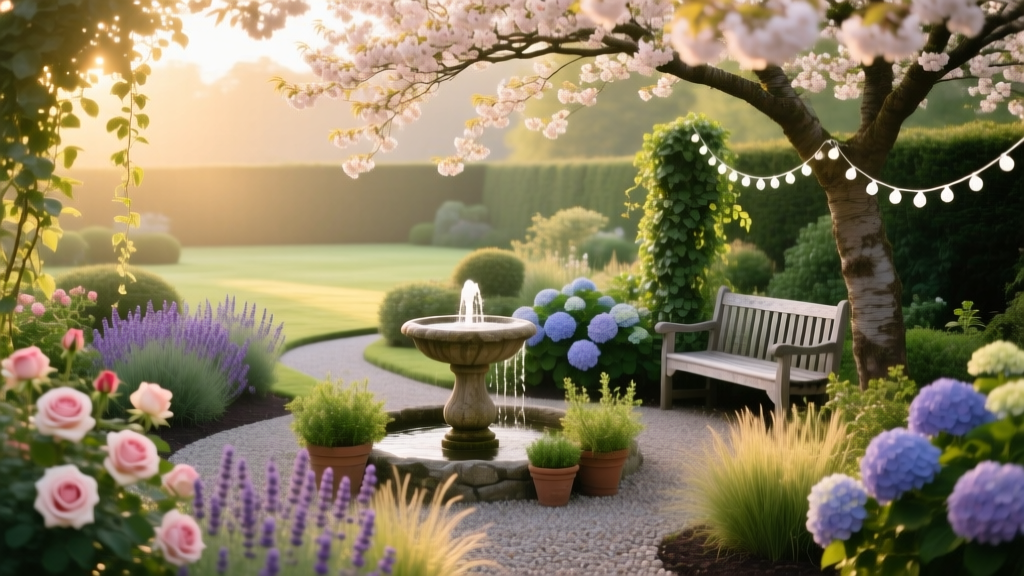
How to Design a Romantic Garden: Step-by-Step Planting Guide
A romantic garden relies on sensory immersion, seclusion, and a curated sense of wildness. Unlike formal gardens with rigid symmetry, or cottage gardens that embrace total chaos, a romantic garden balances structured hardscaping with overflowing, fragrant plantings. The goal is to create an intimate, enclosed environment that engages the senses through scent, texture, and soft visual lines. This guide details the exact hardscape materials, soil parameters, and plant cultivars required to build a romantic garden from the ground up.
The Architecture of Seclusion: Hardscaping the Space
The foundation of a romantic garden is the creation of enclosed "garden rooms." Without physical boundaries, the sprawling plantings lack context. You must establish vertical structures that allow climbers to drape and soften the edges.
Material Selection for Hardscaping:
- Pathways: Avoid loose pea gravel, which shifts underfoot and frustrates the romantic, meandering experience. Use 3/8-inch minus crushed gravel (often called decomposed granite or crushed limestone). It compacts firmly while retaining a natural, rustic aesthetic. As of 2026, expect to pay $45 to $75 per cubic yard depending on regional quarry availability.
- Edging: Use Corten steel landscape edging (14-gauge thickness). It develops a protective rust patina that blends seamlessly with organic plantings. Install it so the top edge sits 1/2 inch below the soil line to allow creeping perennials like Thymus serpyllum to spill over the path.
- Vertical Structures: Invest in 84-inch to 96-inch tall wrought iron or heavy-duty powder-coated aluminum arbors. Wooden structures rot under the dense, moisture-trapping canopy of climbing roses and require annual maintenance.
Soil Preparation for Heavy-Feeding Perennials
Romantic gardens are heavily reliant on roses, clematis, and lush perennials, all of which are heavy feeders that require specific soil structures to thrive. According to soil management guidelines from the Royal Horticultural Society, amending your native soil is critical before planting structural shrubs.
Test your soil pH. Roses and most fragrant perennials require a slightly acidic to neutral pH between 6.5 and 7.0. If your soil is heavy clay, do not just add sand, which creates a concrete-like texture. Instead, incorporate 3 to 4 inches of well-rotted compost and 1 inch of coarse horticultural grit into the top 12 inches of the planting bed. For sandy soils, double the compost volume to increase water retention.
Selecting the Structural Backbone: Climbers and Shrubs
The middle layer of a romantic garden is defined by structural shrubs and climbing vines that provide year-round interest and intense fragrance. When selecting roses, prioritize disease-resistant cultivars that do not require weekly synthetic fungicide applications, which disrupt the relaxed aesthetic.
Recommended Planting Matrix
| Cultivar | Type | Spacing | Fragrance Profile |
|---|---|---|---|
| Rosa 'Zéphirine Drouhin' | Bourbon Climber | 6-8 ft apart | Strong, fruity, old-rose (Thornless) |
| Rosa 'Gertrude Jekyll' | English Shrub | 3-4 ft apart | Intense myrrh and damask rose |
| Clematis armandii 'Apple Blossom' | Evergreen Climber | 8-10 ft apart | Sweet almond and vanilla (Early spring) |
| Lavandula angustifolia 'Hidcote' | Herbaceous Perennial | 18-24 inches | Sharp, clean, camphoraceous floral |
| Nepeta racemosa 'Walker's Low' | Herbaceous Perennial | 24-30 inches | Minty, herbaceous, attracts pollinators |
When training climbers like Clematis armandii, follow the specific pruning and tie-in guidelines outlined in the RHS Clematis Growing Guide to ensure the vines do not become top-heavy and bare at the base. Always tie in new shoots horizontally to encourage lateral flowering spurs.
Layering the Understory: Softening the Edges
The defining visual characteristic of a romantic garden is the "spillover" effect. Plants should not sit neatly inside their borders; they must encroach upon pathways and hardscapes. To achieve this, plant your structural shrubs 12 inches back from the path edge, and fill the front 12 inches with low-growing, spreading perennials.
Use Alchemilla mollis (Lady's Mantle) and Stachys byzantina (Lamb's Ear) along the borders. Their fuzzy, textured foliage catches morning dew and softens the harsh lines of Corten steel or stone edging. Plant them in drifts of three or five, staggering the spacing by 4 to 6 inches to avoid a rigid, grid-like appearance.
Sensory Lighting and Water Elements
A romantic garden transitions beautifully into the evening if lighting is executed correctly. Avoid cool-white (4000K+) security lights, which destroy the intimate atmosphere. Instead, install warm-white (2700K) LED lighting.
- Festoon Lighting: Hang commercial-grade, shatterproof LED festoon lights (1-watt bulbs producing roughly 100 lumens each) in a zigzag pattern over seating areas. Keep the hanging height between 7 and 8 feet to maintain an enclosed, ceiling-like effect.
- Path Lighting: Use low-voltage brass path lights with directional hoods to cast light downward onto the gravel, preventing glare. Limit output to 100-150 lumens per fixture.
- Water Features: The sound of moving water masks neighborhood noise, enhancing the feeling of seclusion. A simple recirculating basalt column fountain requires only a 24-inch square footprint and a standard 120V outdoor GFCI outlet, providing a gentle, continuous trickle without the maintenance of a large pond.
Year-Round Maintenance Realities
The "wild" look of a romantic garden is highly cultivated and requires disciplined maintenance to prevent it from devolving into an overgrown mess. Below is the required seasonal maintenance schedule to keep the garden looking intentionally romantic rather than neglected.
Seasonal Task Checklist
- Early Spring (March): Prune English shrub roses by one-third, removing any crossing branches to open the center for airflow. Apply a 2-inch layer of composted manure around the base of all heavy feeders.
- Late Spring (May): Deadhead early-blooming perennials and tie in new clematis shoots horizontally to their supports using soft jute twine.
- Mid-Summer (July): Shear Nepeta and Lavandula back by one-third after their first flush of flowers to encourage a second, smaller bloom cycle in early autumn.
- Autumn (November): Leave the seed heads of ornamental grasses and late-blooming perennials intact. They provide crucial winter structure and catch frost, extending the garden's romantic aesthetic into the dormant season.
Building a romantic garden is an exercise in controlled abundance. By investing heavily in permanent hardscape structures, selecting disease-resistant, highly fragrant cultivars, and adhering to a strict seasonal maintenance rhythm, you create an immersive outdoor room that feels both timeless and deeply personal.

