
Gardening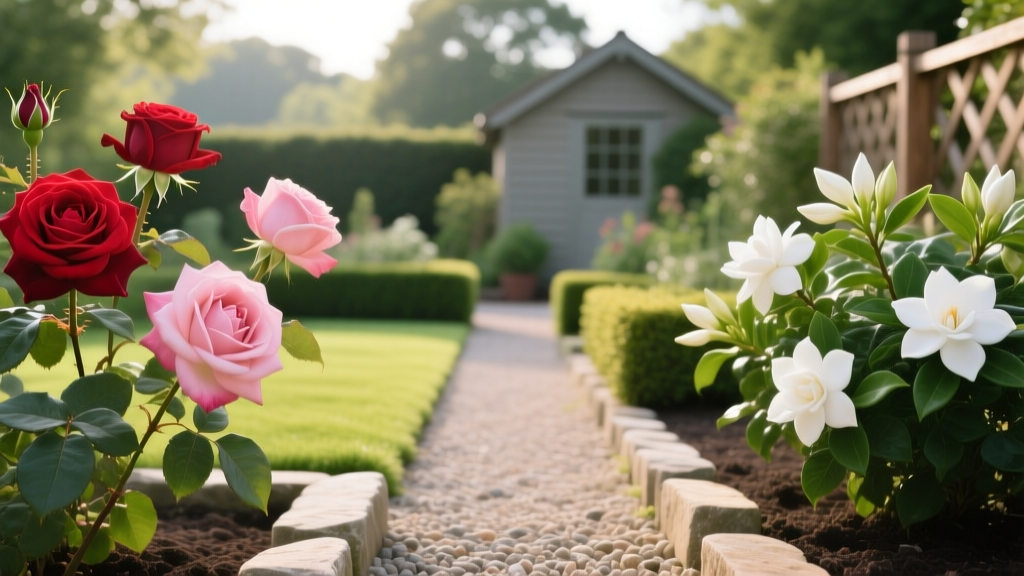
Roses vs Gardenias: What's the Difference in Care & Climate?
The Core Botanical Breakdown
When planning a fragrant, blooming landscape, beginners often debate roses vs gardenias. What's the difference beyond their visual appeal? While both produce iconic, highly fragrant blooms, they belong to entirely different botanical families and demand opposite environmental conditions. Roses (Rosa spp.) are deciduous shrubs in the Rosaceae family, prized for their adaptability and repeat blooming. Gardenias (Gardenia jasminoides) are broadleaf evergreen shrubs in the Rubiaceae (coffee) family, famous for their intoxicating scent and glossy foliage but notorious for their finicky soil requirements.
| Feature | Roses (Shrub/Hybrid Tea) | Gardenias |
|---|---|---|
| Botanical Family | Rosaceae | Rubiaceae |
| Foliage Type | Deciduous (drops leaves in winter) | Evergreen (retains leaves year-round) |
| Ideal Soil pH | 6.0 – 6.5 (Slightly Acidic) | 5.0 – 6.0 (Strongly Acidic) |
| USDA Hardiness Zones | Zones 3 – 9 (Variety dependent) | Zones 8 – 11 (Zone 7 for hardy cultivars) |
| Sun Exposure | Full Sun (6–8 hours direct) | Partial Shade (Morning sun, afternoon shade) |
| Thorns | Yes (except specific thornless breeds) | No |
Climate & Hardiness Zones: Where Will They Survive?
The most critical difference between these two shrubs is cold tolerance. If you live in a region with harsh, freezing winters, gardenias will struggle to survive outdoors without intensive protection.
Rose Hardiness
Modern shrub roses are incredibly cold-hardy. The University of Minnesota Extension notes that many shrub and explorer roses can survive temperatures dropping to -30°F (Zone 3 or 4). For beginners in northern climates, the Rosa 'Radrazz' (original Knock Out) or the Drift series are virtually indestructible, disease-resistant options that bloom continuously from late spring until the first hard frost.
Gardenia Hardiness
Gardenias are subtropical natives. Standard cultivars like 'August Beauty' or 'Mystery' will suffer severe dieback or death if temperatures drop below 15°F. They thrive best in USDA Zones 8 through 11. However, if you are in Zone 7, you can successfully grow 'Kleim's Hardy' or the low-growing 'Radicans', which tolerate brief dips to 10°F when planted in a sheltered microclimate, such as against a south-facing brick wall that radiates stored heat.
Beginner Tip: If you live north of Zone 7 but want the scent of a gardenia, plant it in a 15-gallon container using a potting mix designed for azaleas and camellias. Move the pot into an unheated garage or sunroom when nighttime temperatures consistently drop below 30°F.
Soil Preparation & pH Requirements
This is where most beginner gardeners fail with gardenias. While roses are relatively forgiving of average garden soil, gardenias absolutely require highly acidic soil to process nutrients.
The Iron Chlorosis Problem: Gardenias need a soil pH between 5.0 and 6.0. If your soil pH rises above 7.0 (alkaline), iron becomes chemically locked in the soil. The gardenia cannot absorb it, resulting in interveinal chlorosis—new leaves turn pale yellow while the veins remain dark green. Over time, the leaves turn brown and drop.
- For Roses: Test your soil and aim for a pH of 6.0 to 6.5. Amend standard garden soil with a 2-inch layer of compost before planting. A standard balanced fertilizer (like a 10-10-10 NPK) applied in early spring and after the first bloom flush is sufficient.
- For Gardenias: You must lower soil pH if it is neutral or alkaline. Apply elemental sulfur at a rate of 1 pound per 100 square feet to drop the pH by roughly 1.0 points over six months. For immediate relief of yellowing leaves, apply a liquid chelated iron spray (specifically Fe-EDDHA, which remains stable in higher pH soils) directly to the foliage.
Sunlight, Watering, and Daily Maintenance
Roses and gardenias have opposing preferences when it comes to the sun and moisture management.
Sunlight Needs
Roses are sun-worshippers. They require a minimum of 6 to 8 hours of direct sunlight to produce strong canes and abundant blooms. Plant them in open beds away from the drip lines of large trees. Gardenias, conversely, scorch in intense afternoon heat. They require bright, indirect light or morning sun (from 8 AM to 12 PM) followed by deep, dappled afternoon shade. Planting them under the high canopy of a pine or oak tree provides the ideal filtered light.
Watering Schedules
Both plants require roughly 1 inch of water per week during the growing season, but their root structures dictate how you deliver it.
- Roses: Water deeply at the base using a drip line or soaker hose. Wetting the foliage of a rose bush, especially in the evening, is the primary catalyst for black spot and powdery mildew fungal infections.
- Gardenias: They have shallow, fibrous root systems that dry out rapidly. Apply a 3-inch layer of pine bark mulch around the base (keeping it 2 inches away from the main trunk) to retain moisture and naturally acidify the soil as it decomposes. Gardenias will drop their flower buds if they experience even a single day of drought stress during the budding phase.
Pest & Disease Vulnerabilities
Understanding the specific threats to each plant will save you hours of frustration.
Warning: Never use broad-spectrum insecticides like carbaryl or malathion on gardenias. They are highly susceptible to spider mites, and killing the mites' natural predatory insects will result in a devastating mite outbreak that will defoliate the shrub in weeks.
Rose Pests: Aphids, Japanese beetles, and thrips are the primary insect threats. Fungal diseases like black spot (characterized by black fringed spots on yellowing leaves) are the biggest killers. Solution: Plant disease-resistant shrub roses (like the Knock Out or Oso Easy series) to eliminate the need for weekly fungicide sprays. For Japanese beetles, apply milky spore to your lawn and use pheromone traps placed at least 50 feet away from your rose beds.
Gardenia Pests: Whiteflies and mealybugs love the succulent new growth of gardenias. These sap-sucking insects excrete a sticky substance called honeydew, which quickly grows into black sooty mold on the leaves below. Solution: Apply horticultural oil or Neem oil in the early morning or late evening to smother whitefly eggs and nymphs. For severe mealybug infestations, use a systemic insecticidal soil drench containing imidacloprid immediately after the spring bloom cycle finishes.
Cost & Sourcing: What to Expect at the Nursery
Budgeting for your garden requires knowing how these plants are typically sold.
- Roses: You can purchase bare-root roses (dormant, no soil or leaves) in late winter for $15 to $25 each. They take longer to establish but are highly cost-effective for mass planting. Container-grown Knock Out or Drift roses in 2-gallon pots typically cost $28 to $35 in spring.
- Gardenias: Because they are evergreen and sensitive to transplant shock, gardenias are almost exclusively sold in containers. A standard 3-gallon nursery pot costs between $45 and $65. Specimen sizes (7-gallon or larger) can easily exceed $120.
The Beginner's Decision Framework
Use this quick matrix to decide which shrub belongs in your landscape based on your specific property conditions.
Choose Roses If:
- Your garden receives 6+ hours of unfiltered, direct afternoon sun.
- You live in USDA Zone 7 or colder and want a plant that survives freezing winters outdoors.
- Your soil pH is naturally neutral (around 6.5 to 7.0).
- You want continuous color from May through October with minimal deadheading.
Choose Gardenias If:
- Your planting site is shaded during the harshest afternoon hours (2 PM to 5 PM).
- You live in the humid, mild climates of USDA Zones 8 through 11.
- You are willing to amend your soil with sulfur and use acid-forming fertilizers annually.
- You prioritize intense, room-filling floral fragrance over continuous, multi-season color.
Frequently Asked Questions
Can I plant roses and gardenias in the same flower bed?
It is highly discouraged. Roses require full sun and a soil pH of 6.0–6.5, while gardenias require afternoon shade and a highly acidic pH of 5.0–6.0. If you lower the soil pH enough to keep the gardenia happy, you risk inducing manganese toxicity in the roses. Furthermore, the shade required by the gardenia will cause the roses to become leggy, produce fewer blooms, and become highly susceptible to fungal diseases.
When is the best time to prune these shrubs?
Their pruning schedules are exact opposites. Roses set buds on new wood, so you should prune them aggressively in late winter or early spring just as the leaf buds begin to swell. Cut canes at a 45-degree angle, 1/4 inch above an outward-facing bud. Gardenias set buds on old wood. If you prune a gardenia in the spring, you will cut off all the summer flowers. Only prune gardenias immediately after their summer bloom flush fades (usually late July or August) to shape the plant and remove dead wood.
Are gardenias toxic to pets?
Yes. According to the ASPCA, Gardenia jasminoides contains geniposide and gardenoside, which are toxic to dogs and cats. Ingestion typically causes mild to moderate vomiting, diarrhea, and hives. Roses, on the other hand, are non-toxic to pets, though the thorns can cause physical injury to paws and snouts.
"The secret to mastering gardenias is accepting that they are not a 'plant it and forget it' shrub. They are a high-reward, high-maintenance partnership that requires you to actively manage your soil chemistry."
— Clemson University Home & Garden Information Center

