
Gardening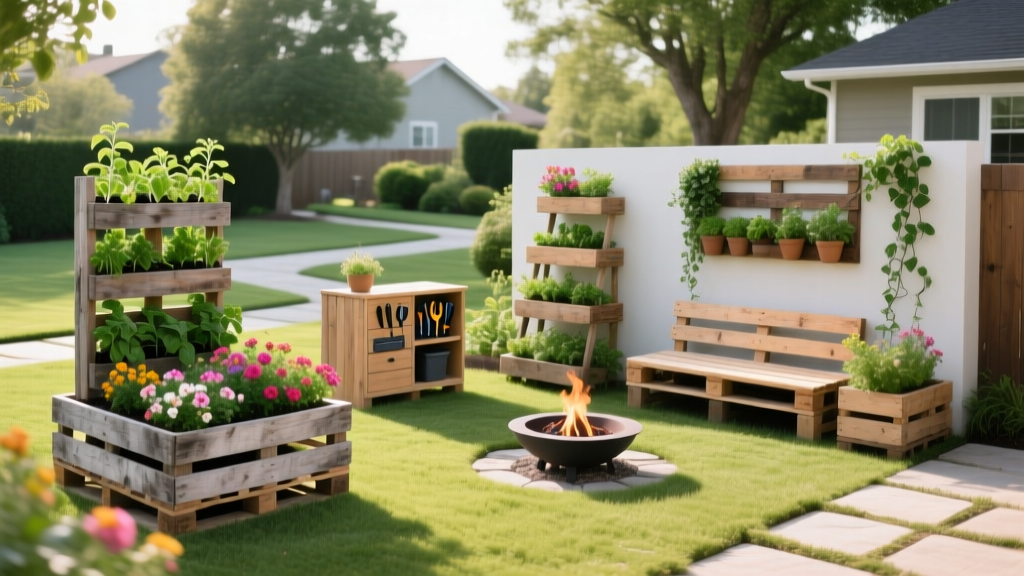
7 Safe Pallet Ideas for Gardens: Beginner DIY Guide
Upcycling wooden shipping pallets into garden structures is one of the most cost-effective ways to expand your growing space. While commercial cedar raised bed kits easily cost between $120 and $250 in 2026, standard 48x40-inch pallets can often be sourced for free from local hardware stores, nurseries, or distribution centers. However, not all pallets are safe for growing food, and improper dismantling can ruin the wood or cause injury. This guide provides actionable, beginner-friendly pallet ideas for gardens, complete with safety protocols, exact material specifications, and structural builds.
The Golden Rule: Decoding Pallet Stamps for Garden Safety
Before cutting a single board, you must verify the chemical history of the wood. Pallets used for international shipping are treated to prevent the spread of invasive insects. The USDA APHIS enforces the ISPM 15 standard, which requires an ink stamp on the wood. Misinterpreting these stamps can introduce toxic fungicides and pesticides directly into your vegetable garden soil.
CRITICAL SAFETY WARNING: Never use pallets stamped with MB (Methyl Bromide) for any garden project, especially edible crops. Methyl bromide is a highly toxic, ozone-depleting fumigant. Additionally, avoid brightly painted pallets (usually blue, red, or orange), as these are typically rental property owned by pooling companies like CHEP or PECO and are chemically treated with harsh preservatives.
Safe Stamps to Look For:
- HT (Heat Treated): The wood was heated to a minimum core temperature of 56°C (132.8°F) for at least 30 minutes. This is completely safe for garden use.
- KD (Kiln Dried): Dried in a kiln to reduce moisture content. Safe and highly resistant to warping.
- DB (Debarked): Indicates the bark was removed prior to treatment. Safe when combined with HT.
If a pallet has no stamp at all, it was likely used for domestic shipping. While often safe, its exact history is unverifiable. For edible gardens, stick strictly to HT-stamped pallets. For more information on wood preservatives and garden safety, consult the EPA guidelines on wood preservatives.
Essential Tools and Materials Checklist
Dismantling and reassembling pallet wood requires specific hardware to withstand outdoor moisture and soil pressure. Drywall screws will rust and snap under the lateral load of wet soil.
| Item | Specification | Estimated Cost (2026) |
|---|---|---|
| Pallet Pry Bar | Vestil PB-1 or generic 38-inch pallet buster | $25 - $35 |
| Fasteners | 2.5-inch polymer-coated exterior deck screws (e.g., GRK RSS or Simpson Strong-Tie SD) | $12 / box of 50 |
| Sanding | 80-grit aluminum oxide (initial) & 120-grit (finishing) | $15 / multipack |
| Wood Sealer | 100% Boiled Linseed Oil (food-safe, non-toxic) | $18 / quart |
| Pest Barrier | 1/2-inch galvanized hardware cloth (for gopher/mole protection) | $20 / 10ft roll |
Project 1: The Standard 4x4 Pallet Raised Vegetable Bed
The most popular of all pallet ideas for gardens is the classic raised bed. A standard GMA (Grocery Manufacturers Association) pallet measures 48 inches by 40 inches. By using two identical HT pallets, you can create a sturdy, double-walled raised bed.
Step-by-Step Assembly:
- Dismantle the Second Pallet: Use your pallet pry bar to carefully remove the top and bottom deck boards from the second pallet. Keep the 3.5-inch wide stringers (the thick vertical blocks) intact on the first pallet.
- Reinforce the Base: The first pallet will serve as your base and outer wall. Leave its top deck boards attached.
- Build the Walls: Cut the removed deck boards to 40-inch lengths. Screw these horizontally into the stringers of the base pallet using your 2.5-inch exterior screws. Stack them two or three high to create a bed that is 10 to 15 inches deep.
- Install the Pest Barrier: Flip the structure over and staple 1/2-inch galvanized hardware cloth to the bottom. This prevents burrowing rodents from entering the root zone while allowing earthworms and drainage to pass through.
- Sand and Seal: Sand all interior and exterior surfaces to prevent splinters. Apply two coats of boiled linseed oil, allowing 24 hours of curing between coats.
Project 2: The Vertical Strawberry and Herb Wall
If you have limited square footage, a vertical pallet garden maximizes your canopy space. This build requires only one intact pallet and some heavy-duty landscaping fabric.
- Preparation: Do not dismantle the pallet. Sand the front-facing slats thoroughly.
- Lining: Fold a layer of 3oz non-woven geotextile landscape fabric over the back, bottom, and sides of the pallet. Staple it securely every 4 inches using a heavy-duty upholstery stapler.
- Pocket Creation: In the gaps between the front slats, push the fabric inward to create planting pockets, stapling the fabric to the back of the slat above it to hold the soil weight.
- Planting Strategy: Fill the top row with trailing plants like nasturtiums or strawberries. Plant upright, sun-loving herbs (basil, thyme, rosemary) in the middle and lower rows. Water from the top and allow gravity to distribute moisture downward.
Project 3: The 3-Bay Pallet Compost System
For larger properties, a multi-bay compost system accelerates decomposition by allowing you to turn piles sequentially. This requires three to four intact pallets.
Pro-Tip for Compost Bins: Do not seal the wood with linseed oil for compost bins. The high heat generated by active composting (often reaching 140°F to 160°F) will cause the oil to break down rapidly and can create an anaerobic seal that restricts necessary airflow to the microbes.
Stand three pallets on their long edges to form a U-shape. Connect the corners using 4-inch heavy-duty T-brackets and 1.5-inch structural screws. Leave the front open for easy turning with a pitchfork, or attach a fourth pallet to the front using heavy-duty gate hinges to create a drop-down door.
Soil Volume Calculator for Pallet Beds
One of the most common beginner mistakes is underestimating the volume of soil required to fill a pallet structure. Wet soil is incredibly heavy, and buying bagged soil at $8 to $12 per cubic foot adds up quickly. Use the matrix below to calculate your exact needs and opt for bulk delivery when exceeding 10 cubic feet.
| Pallet Configuration | Interior Dimensions | Depth | Required Soil Volume |
|---|---|---|---|
| Single Pallet Base (Low Profile) | 44" x 36" | 5.5" | 4.5 Cubic Feet |
| Double-Walled Standard Bed | 40" x 32" | 11" | 8.2 Cubic Feet |
| Extended 2-Pallet Long Bed | 88" x 32" | 11" | 16.4 Cubic Feet |
| Vertical Wall Pockets (Per Pocket) | 12" x 3.5" | 4" | 0.1 Cubic Feet |
The Ideal Soil Recipe for Pallet Beds
Do not fill raised pallet beds with native topsoil or cheap "garden soil" bags; they will compact and suffocate roots. Instead, use a modified Mel's Mix ratio:
- 33% Coarse Vermiculite or Perlite: Ensures drainage and prevents soil compaction against the wooden walls.
- 33% Peat Moss or Coconut Coir: Retains moisture. (Coir is increasingly preferred in 2026 due to the environmental impact of peat harvesting).
- 33% Blended Compost: Use at least three different types of compost (e.g., mushroom, cow manure, and homemade yard waste) to ensure a broad spectrum of micronutrients.
Maintenance and Lifespan Expectations
Untreated pine pallets will begin to rot at the soil line within 18 to 24 months if left completely unprotected. By applying boiled linseed oil and placing a layer of crushed gravel or landscape pavers beneath the wood-to-ground contact points, you can extend the lifespan of your pallet garden structures to 4 to 6 years. Inspect the bottom stringers annually in early spring; if a screwdriver can easily pierce the wood, it is time to replace that specific board or dismantle the structure before it collapses under the weight of wet soil.

