
Gardening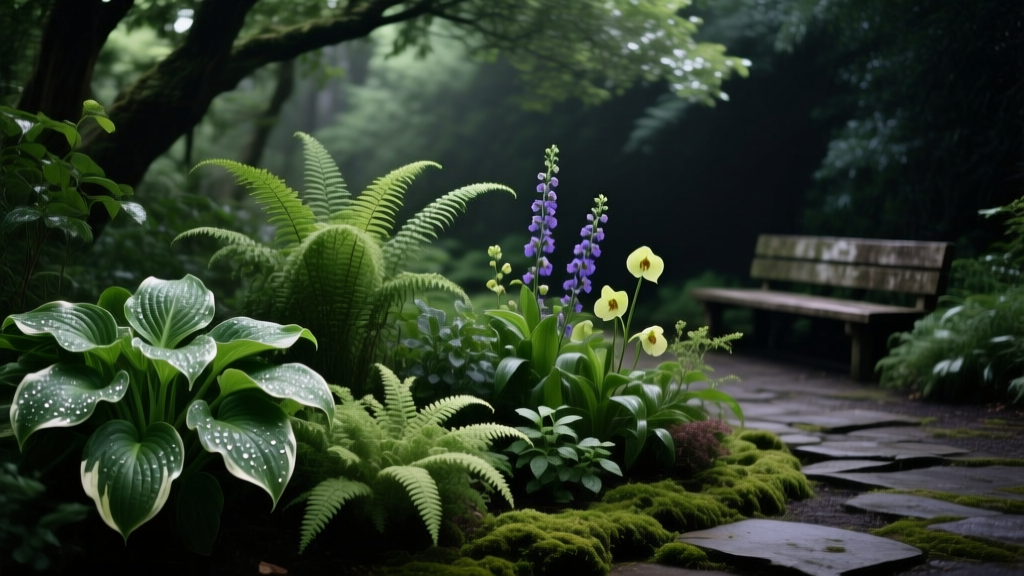
Top Outside Plants That Like Shade for Dark Garden Zones
Blank spaces under mature tree canopies, narrow side yards, and north-facing foundation beds often frustrate homeowners. The core issue is rarely a lack of effort, but a mismatch between plant biology and available photosynthetically active radiation (PAR). Selecting the right outside plants that like shade requires understanding the exact light thresholds and soil moisture dynamics of your specific microclimate. This guide bypasses generic advice to provide exact cultivar selections, light measurements, and soil amendment strategies for establishing a thriving shade garden.
Decoding Your Shade: Light Levels and Root Competition
Shade is not a monolith. A spot under a high-branched locust tree receives vastly different light energy than a bed wedged between two-story brick walls. To choose correctly, measure your light using a standard lux meter (or a smartphone PAR app) during peak summer hours.
Shade Classification Matrix
- Deep/Full Shade: Less than 50 foot-candles (fc). No direct sunlight; heavily obstructed by dense evergreen canopies or structures.
- Dappled Shade: 50 to 150 fc. Sunlight filters through high, open tree canopies (like oaks or honey locusts), creating shifting light patterns.
- Edge/Partial Shade: 150 to 300 fc. Receives 2 to 4 hours of direct morning sun, followed by heavy afternoon shade.
Beyond light, the primary failure point for shade gardening is dry shade. Mature trees consume massive volumes of water, leaving the underlying soil parched and nutrient-depleted. According to the Royal Horticultural Society, selecting plants that tolerate both low light and root competition is critical for areas directly beneath established tree drip lines.
Tier 1: Deep Shade Champions (Under 50 Foot-Candles)
Deep shade demands plants with high chlorophyll efficiency and broad leaf structures. Avoid variegated cultivars here, as they lack the chlorophyll density required to survive under 50 fc.
- Hosta 'Halcyon': Unlike thinner-leaved varieties, 'Halcyon' features thick, heavily corrugated blue foliage that resists slug damage. Mature size is 18 inches tall by 36 inches wide. Failure mode: Crown rot in poorly draining clay. Plant with the crown exactly at soil level, never buried.
- Epimedium x rubrum (Barrenwort): The ultimate dry-shade groundcover. It thrives in the root zones of maples and oaks where soil moisture drops below 15%. Produces bronze heart-shaped foliage and small red spring flowers. Space rhizomes 12 inches apart for full coverage within two seasons.
- Aucuba japonica 'Variegata' (Gold Dust Plant): A broadleaf evergreen shrub for USDA zones 7-10. Tolerates deep shade and urban pollution. Requires well-draining soil with a pH between 6.0 and 7.0. Prune in early spring to maintain a 4-to-6-foot dense hedge.
Tier 2: Dappled & Edge Shade Performers (50–300 Foot-Candles)
When light levels increase, you can introduce flowering perennials and variegated foliage that would scorch in full sun but starve in deep shade.
- Astilbe 'Fanal': Delivers striking crimson plumes in early summer. Critical requirement: Astilbes demand consistently moist soil (minimum 25% volumetric water content). If your shade bed is dry, amend heavily with compost or switch to a drought-tolerant alternative. The Missouri Botanical Garden Plant Finder notes that Astilbe foliage will crisp and brown rapidly if soil moisture fluctuates.
- Heuchera 'Palace Purple': Grown for its deep mahogany foliage. Unlike older coral bell varieties, 'Palace Purple' exhibits high vigor in dappled light. Failure mode: Heaving in freeze-thaw cycles. Mulch with 2 inches of shredded hardwood after the first hard frost to stabilize soil temperature.
- Hydrangea macrophylla 'Endless Summer': Requires edge shade (morning sun, afternoon shade). Blooms on both old and new wood, providing insurance against late spring frosts. Apply 2 cups of soil acidifier (elemental sulfur) per plant in early spring to push soil pH to 5.5 for blue blooms, or 6.5 for pink.
Soil Preparation Matrix for Shade Beds
Shade soils are often compacted by tree roots or overly moist due to lack of evaporation. Use this matrix to diagnose and amend your specific site condition before planting.
| Site Condition | Primary Amendment | Application Rate | Estimated Cost (per 100 sq ft) |
|---|---|---|---|
| Heavy Clay / Poor Drainage | Expanded Shale & Pine Fines | 2 inches tilled into top 6 inches | $45 - $60 |
| Dry / Tree Root Competition | Leaf Mold & Peat Moss | 3 inches top-dressed annually | $25 - $35 |
| Nutrient Depleted / Pale Foliage | Slow-Release 14-14-14 Osmocote | 1 lb per 100 sq ft in early spring | $12 - $18 |
Troubleshooting Common Shade Garden Failures
Even with the right outside plants that like shade, microclimate issues can cause decline. Use this diagnostic framework to correct active problems.
Symptom: White Powdery Coating on Leaves
Diagnosis: Powdery Mildew (Erysiphe spp.). Highly common on shade Phlox and Bee Balm due to low UV exposure and stagnant air.
Solution: Increase plant spacing to 18 inches minimum to improve airflow. Apply a preventive spray of potassium bicarbonate (1 tablespoon per gallon of water) every 14 days during humid stretches. Avoid overhead watering.
Symptom: Jagged Holes and Slime Trails
Diagnosis: Slug and Snail Predation. The moist, cool environment of a shade bed is an ideal breeding ground for gastropods.
Solution: Deploy iron phosphate-based baits (e.g., Sluggo) at a rate of 1 teaspoon per square yard. Iron phosphate is safe for pets and breaks down into fertilizer. Avoid copper tape, which loses efficacy once oxidized by rain.
Expert Sourcing and Planting Costs
Budgeting for a shade garden requires understanding nursery stock sizing. Shade perennials are typically slower-growing than sun-loving varieties, making larger container sizes a worthwhile investment for immediate impact.
When sourcing from the NC State Extension Plant Database or local native nurseries, prioritize 2-gallon or 3-gallon perennial pots for shade beds. A 1-gallon Hosta may take three years to reach mature width in low-light conditions, whereas a 3-gallon specimen establishes a functional canopy in one season, suppressing weeds immediately.
Cost Breakdown for a 100-Square-Foot Shade Bed:
- 1-Gallon Perennials: $12 to $18 each. Requires 15-20 plants for dense coverage. Total: $180 - $360.
- 3-Gallon Perennials/Shrubs: $35 to $65 each. Requires 7-10 plants. Total: $245 - $650.
- Soil Amendments & Mulch: $75 to $120 (including delivery).
- Drip Irrigation Kit: $80 to $150. Essential for maintaining consistent moisture without wetting foliage and triggering fungal pathogens.
Establishing outside plants that like shade is an exercise in microclimate management. By matching exact cultivar tolerances to your foot-candle readings and addressing soil moisture competition from tree roots, you can convert barren, dark yard zones into layered, resilient landscapes.

