
Gardening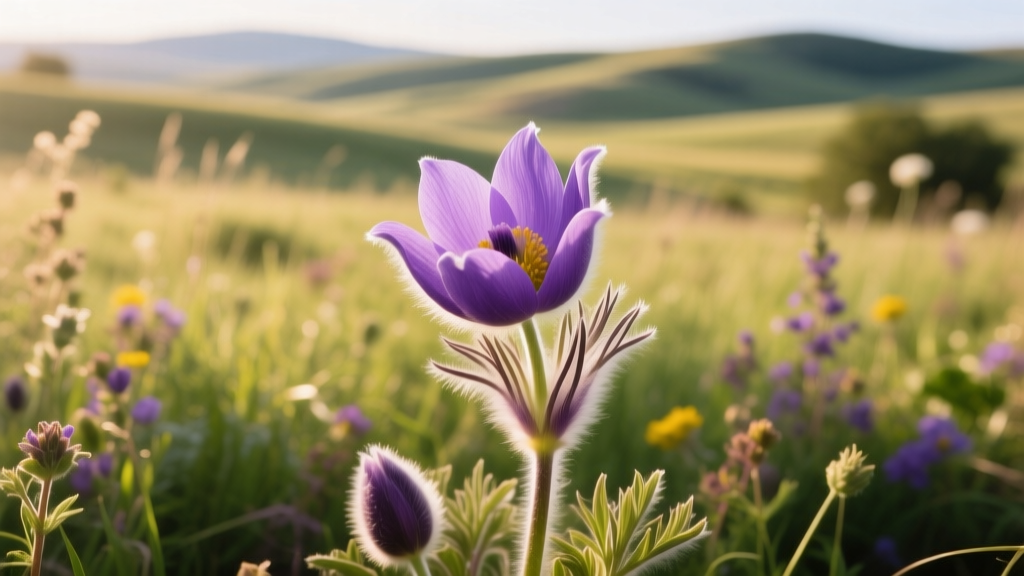
What Is South Dakota's State Flower? Growing the Pasqueflower Guide
The American Pasqueflower: South Dakota's Prairie Pioneer
If you are researching native prairie flora or asking, "what is South Dakota's state flower?", the answer is the American Pasqueflower (Pulsatilla patens, historically classified as Anemone patens). Adopted as the official state floral emblem in 1903 following a statewide petition driven by school children, this resilient perennial is famously known as the "Mayflower of the Prairie." It is one of the first native wildflowers to bloom in the northern Great Plains, often pushing its fuzzy, silver-green foliage through late snowpacks in March and April.
Understanding the botanical mechanics and specific cultivation requirements of Pulsatilla patens is critical for gardeners attempting to replicate its native prairie environment. Unlike adaptable ornamental annuals, the Pasqueflower demands precise soil alkalinity, exceptional drainage, and an undisturbed root zone to thrive in a landscaped setting.
Botanical Profile and Identification Matrix
To accurately identify and cultivate the South Dakota state flower, reference the following botanical parameters. These metrics dictate the plant's hardiness and environmental thresholds.
| Attribute | Specification |
|---|---|
| Scientific Name | Pulsatilla patens (Synonym: Anemone patens) |
| Family | Ranunculaceae (Buttercup Family) |
| USDA Hardiness Zones | 3 to 7 |
| Mature Height | 4 to 8 inches (blooming); up to 12 inches (fruiting) |
| Bloom Window | Early to Mid-Spring (March – May) |
| Soil pH Requirement | 6.5 to 8.0 (Neutral to Alkaline) |
| Light Exposure | Full Sun (Minimum 6-8 hours direct) |
Field Identification: Spotting Pulsatilla patens in the Wild
Identifying the Pasqueflower in its native shortgrass and mixed-grass prairie habitat requires looking for specific morphological adaptations designed for cold-weather survival. According to the National Park Service, the plant exhibits several unique traits before the flower even opens.
- Silvery Trichomes: The stems, leaves, and even the exterior of the unopened flower buds are densely covered in fine, silvery-white hairs (trichomes). These hairs create an insulating microclimate, trapping solar radiation to protect the developing reproductive organs from sub-freezing prairie winds.
- Cup-Shaped Corolla: The bloom consists of 5 to 7 petal-like sepals (true petals are absent) that form a distinct goblet or cup shape. The interior color ranges from pale lavender to deep, vibrant purple.
- Prominent Staminodes: The center of the flower features a dense cluster of bright yellow stamens and staminodes, providing a high-contrast visual target for early-season pollinators.
- Feathery Seed Heads: After pollination, the flower elongates significantly, producing a striking, feathery plume of seeds (achenes) that resemble a mop head, aiding in wind dispersal across the prairie.
Cultivating the Pasqueflower: Soil, Light, and Taproot Dynamics
The most common cause of Pulsatilla patens mortality in home gardens is root rot induced by heavy, moisture-retentive soils. In the wild, this plant develops a massive, deep taproot that can penetrate several feet into the earth to access subsurface moisture and anchor against extreme winds. Because of this taproot, transplanting mature Pasqueflowers is almost universally fatal. Cultivation must occur via direct sowing or planting deep-rooted seedlings in their permanent location.
Engineering the Ideal Soil Matrix
Standard potting mixes or heavy clay garden soils will suffocate the taproot. To replicate the alkaline, gravelly loam of the South Dakota prairie, construct a custom soil matrix:
- Base Material: Use 40% native topsoil (if well-draining) or a coarse loam.
- Drainage Amendment: Incorporate 30% coarse horticultural sand or small pea gravel (3mm-5mm diameter). Avoid fine play sand, which compacts.
- Alkalinity Buffer: Mix in 10% crushed oyster shell or agricultural lime to buffer the soil pH to a target of 7.2 to 7.5. Test your soil baseline using a digital pH meter before amending.
- Aeration: Add 20% perlite or pumice to maintain long-term soil structure and prevent settling.
⚠️ Toxicity Warning: Like many members of the Ranunculaceae family, Pulsatilla patens contains protoanemonin, a toxic glycoside. While the plant's fuzzy texture naturally deters most mammalian herbivores, ingestion of large quantities by livestock, dogs, or cats can cause severe gastrointestinal distress, oral blistering, and systemic toxicity. Always wear gloves when handling the sap, and plant away from areas where pets frequently graze or chew on foliage.
Step-by-Step Seed Stratification and Sowing
Commercially sourced Pulsatilla patens seeds require specific environmental cues to break dormancy. Fresh seed viability drops rapidly, so purchase seeds from reputable native plant nurseries and store them in a sealed, refrigerated environment until stratification begins.
Phase 1: Cold Moist Stratification (30–60 Days)
The seeds require a simulated winter to degrade the seed coat inhibitors. Mix the seeds with slightly damp (not wet) sterile vermiculite or sand in a sealed polyethylene bag. Place the bag in a refrigerator set between 33°F and 38°F (0.5°C to 3.3°C) for 30 to 60 days. Check weekly for premature germination or mold growth.
Phase 2: Surface Sowing
Pasqueflower seeds require light to germinate. Do not bury them. Prepare your permanent garden bed or deep-tree pots (minimum 6 inches deep) with the custom soil matrix outlined above. Press the stratified seeds gently onto the soil surface. Mist the surface with a fine spray bottle to ensure seed-to-soil contact without displacing the seeds. Germination typically occurs within 14 to 21 days when soil temperatures reach 65°F to 70°F.
Ecological Importance and Pollinator Support
Beyond its status as a state emblem, the Pasqueflower is an ecological linchpin in early spring prairie ecosystems. Because it blooms before most other native forbs, it provides a critical, high-protein pollen source for native mining bees (Andrena spp.) and syrphid flies emerging from overwintering. The USDA Plants Database notes that the flower's cup shape acts as a solar parabolic reflector, focusing sunlight onto the dark-colored reproductive organs. This raises the internal temperature of the flower by several degrees above ambient air temperature, creating a warm micro-habitat that attracts and rewards cold-weather pollinators.
Frequently Asked Questions
Is it illegal to pick the South Dakota state flower?
Yes, on public lands. While picking wildflowers on private property (with the landowner's permission) is generally legal, removing Pulsatilla patens from state parks, national grasslands, or highway right-of-ways is strictly prohibited. Furthermore, because of its deep taproot, attempting to dig up a wild specimen for transplantation will almost certainly kill the plant and destroy the local micro-ecology.
Can I grow the Pasqueflower in a humid, southern climate?
Cultivating Pulsatilla patens in USDA Zones 8 and above, or in regions with high summer humidity (like the American Southeast), is exceptionally difficult. The plant is highly susceptible to fungal crown rot and powdery mildew when exposed to warm, stagnant moisture. It is strictly adapted to the dry, cold winters and moderate summers of the northern plains and Rocky Mountain foothills.
How long does a Pasqueflower plant live?
When planted in an undisturbed, well-drained site with appropriate alkalinity, a single Pulsatilla patens clump can live for 20 to 30 years, slowly expanding its basal foliage diameter while maintaining its deep, permanent taproot anchor.

