
Gardening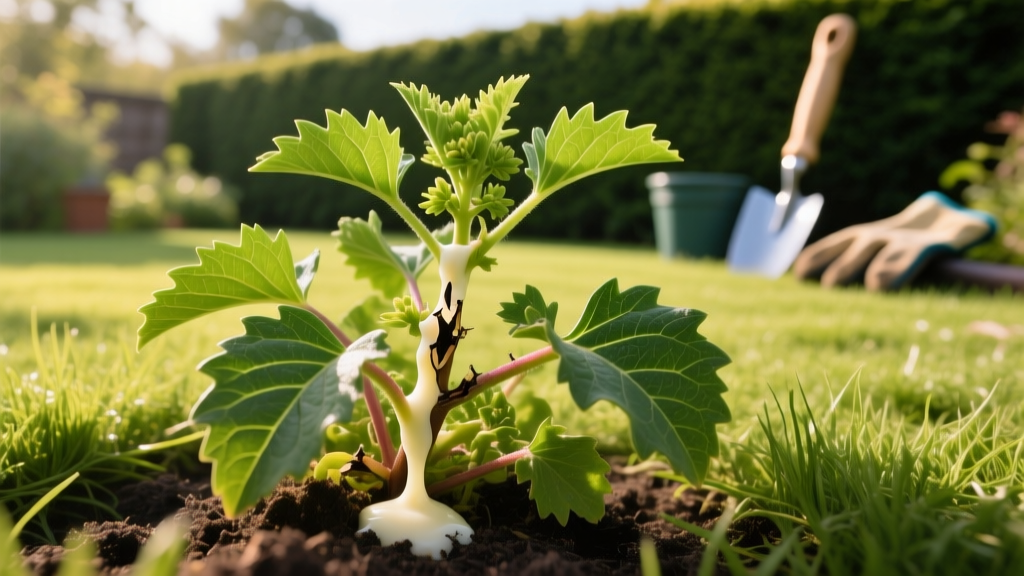
How to Identify and Kill the Spurge Plant in Gardens
The Spurge Plant: A Resilient Garden Invader
The spurge plant (Euphorbia species) is a notoriously aggressive weed that infiltrates garden beds, landscape borders, and hardscape cracks. While there are over 7,000 species in the Euphorbiaceae family, home gardeners primarily battle three variants: spotted spurge (Euphorbia maculata), prostrate spurge (Euphorbia prostrata), and the perennial leafy spurge (Euphorbia esula). Unlike shallow-rooted annual weeds, spurge develops a deep taproot and produces a toxic milky latex sap that deters herbivores and complicates manual removal. According to the University of California Integrated Pest Management (UC IPM) program, a single mature spurge plant can produce thousands of seeds that remain viable in the soil seed bank for years, making early spot-treatment critical.
Botanical Profile and Identification Matrix
Accurate identification prevents the misapplication of herbicides. Spurge is frequently confused with purslane or creeping charlie, but its structural traits are distinct. Use the matrix below to confirm the presence of a spurge plant in your garden beds.
| Characteristic | Spotted Spurge (E. maculata) | Prostrate Spurge (E. prostrata) | Leafy Spurge (E. esula) |
|---|---|---|---|
| Growth Habit | Summer annual, mat-forming | Summer annual, low-creeping | Perennial, upright (up to 3 ft) |
| Stem Appearance | Reddish-purple, hairy | Reddish, smooth, highly branched | Greenish-yellow, smooth, woody base |
| Leaf Structure | Opposite, oblong with a central red/purple spot | Opposite, oblong, no central spot | Alternate, linear, blue-green |
| Root System | Shallow taproot (4-6 inches) | Shallow taproot (4-6 inches) | Deep, extensive taproot (up to 15 ft) |
| Sap Exudate | Milky white latex (toxic) | Milky white latex (toxic) | Milky white latex (highly toxic) |
⚠️ WARNING: Toxic Sap Exposure
The milky latex sap of the spurge plant contains diterpene esters, which are severe skin and eye irritants. When manually extracting spurge, always wear nitrile-coated gardening gloves and long sleeves. If sap contacts your skin, wash immediately with cold water and soap; hot water opens pores and accelerates the absorption of the irritants.
The milky latex sap of the spurge plant contains diterpene esters, which are severe skin and eye irritants. When manually extracting spurge, always wear nitrile-coated gardening gloves and long sleeves. If sap contacts your skin, wash immediately with cold water and soap; hot water opens pores and accelerates the absorption of the irritants.
Spot-Treatment Protocols: Chemical vs. Organic
Eradicating the spurge plant requires a targeted approach. Broadcast spraying in garden beds risks damaging desirable ornamentals. Below is a comparison of the most effective spot-treatment chemistries and organic alternatives available in 2026.
Chemical Herbicide Options
For post-emergent control in landscape beds, non-selective contact herbicides are the standard. Glufosinate-ammonium (e.g., Bayer Natria Grass & Weed Killer, ~$14 per 24oz RTU bottle) is highly effective against spurge. Glufosinate inhibits the enzyme glutamine synthetase, causing rapid ammonia accumulation and cell necrosis within 24 to 48 hours. Unlike systemic glyphosate, glufosinate does not translocate deeply into the root zone, meaning it is less likely to harm the roots of nearby desirable shrubs if minor soil contact occurs.
For turfgrass areas where spurge has invaded, a selective broadleaf herbicide containing a three-way mix of 2,4-D, Dicamba, and MCPP (e.g., Ortho WeedClear for Lawns, ~$18 per gallon) will target the spurge plant without harming cool-season or warm-season grasses. Apply when daytime temperatures are between 65°F and 85°F to prevent volatilization drift.
Organic and Non-Chemical Alternatives
If you are managing an organic vegetable garden or pollinator bed, synthetic herbicides are off the table. The most reliable organic spot-treatment is 20% horticultural acetic acid (e.g., Green Gobbler Vinegar Weed Killer, ~$28 per gallon). Standard household vinegar (5% acetic acid) is entirely ineffective against mature spurge. Apply 20% acetic acid during peak afternoon heat (above 85°F) when the plant's stomata are open and cellular breakdown is accelerated. Note that acetic acid is a contact burn-down agent; it will not kill the taproot of perennial leafy spurge, requiring multiple reapplications every 7 to 10 days.
Step-by-Step Manual Eradication Workflow
When the spurge plant is growing tightly around the base of delicate perennials or inside the joints of paver stones, chemical drift is too risky. Manual extraction is required, but it must be executed correctly to prevent regrowth.
- Hydrate the Soil: Water the target area deeply the evening before. Spurge taproots snap easily in dry, compacted soil. Moist soil ensures the entire root system slides out intact.
- Grip at the Crown: Pinch the stem exactly at the soil line (the crown). Pulling from the upper stems will result in the stem tearing away from the root, leaving the taproot to regenerate within 14 days.
- Extract at an Angle: Pull upward at a 45-degree angle rather than straight up. This aligns with the natural growth vector of the taproot and reduces the chance of snapping.
- Dispose Securely: Do not compost pulled spurge. The seeds can survive standard home composting temperatures (which rarely exceed 130°F). Bag the weeds in heavy-duty contractor bags and dispose of them in municipal yard waste.
💡 Pro Tip for Hardscape Cracks:
For spurge growing between pavers or in driveway expansion joints, use a foam brush to paint a 20% acetic acid or 2% glyphosate solution directly onto the leaves. This eliminates aerosol drift and prevents accidental herbicide contact with adjacent lawn grass or ornamental borders.
For spurge growing between pavers or in driveway expansion joints, use a foam brush to paint a 20% acetic acid or 2% glyphosate solution directly onto the leaves. This eliminates aerosol drift and prevents accidental herbicide contact with adjacent lawn grass or ornamental borders.
Preventative Strategies: Breaking the Seed Cycle
Spot-treating existing weeds is only half the battle. The North Carolina State Extension notes that spurge seeds require light to germinate. If you can block sunlight from reaching the soil surface, you can halt the germination cycle entirely.
- Mulch Depth Optimization: Apply a 3-inch layer of coarse arborist wood chips or pine bark in garden beds. A 2-inch layer is insufficient, as spurge seedlings can easily push through thin mulch. Ensure the mulch does not touch the trunks of trees or the crowns of shrubs to prevent rot.
- Pre-Emergent Herbicides: In early spring, apply a pre-emergent containing Trifluralin (e.g., Preen Garden Weed Preventer, ~$24 for a 5.6lb shaker). Trifluralin creates a chemical barrier in the top 1 inch of soil that inhibits root development in germinating spurge seeds. Apply when soil temperatures at a 2-inch depth consistently reach 60°F to 65°F.
- Canopy Closure: Spurge thrives in thin, stressed turf and bare garden soil. Overseed thin lawn areas with competitive grass blends (like tall fescue or Kentucky bluegrass) and utilize dense groundcovers (like creeping thyme or sedum) in landscape beds to shade out spurge seedlings.
Frequently Asked Questions
Will boiling water kill the spurge plant?
Yes, pouring boiling water directly onto the crown of a spurge plant will instantly cook the plant tissue and destroy the shallow taproot of annual varieties. This is a highly effective, zero-cost spot treatment for spurge growing in driveway cracks or along fence lines. However, it is non-selective and will sterilize the soil temporarily, killing any beneficial microbes and desirable plant roots it contacts.
Why is my spurge plant turning red?
Reddish-purple stems and leaves are a natural physiological response to environmental stress, particularly high UV exposure, drought, or low soil nitrogen. Spotted spurge naturally features a red spot on the leaf, but prostrate spurge will turn entirely red when growing in poor, compacted soil. Improving soil aeration and nitrogen levels will make the environment less hospitable to spurge and more competitive for desirable turfgrass.
Can I use lawn weed-and-feed products in my flower beds?
No. Lawn weed-and-feed products contain broadleaf herbicides like 2,4-D and Dicamba, which are highly toxic to desirable broadleaf ornamentals, shrubs, and perennials. Furthermore, the fertilizer component of weed-and-feed can burn the shallow roots of garden plants. Always use dedicated garden bed pre-emergents (like Trifluralin) and targeted post-emergent spot treatments for landscape areas.

