
Gardening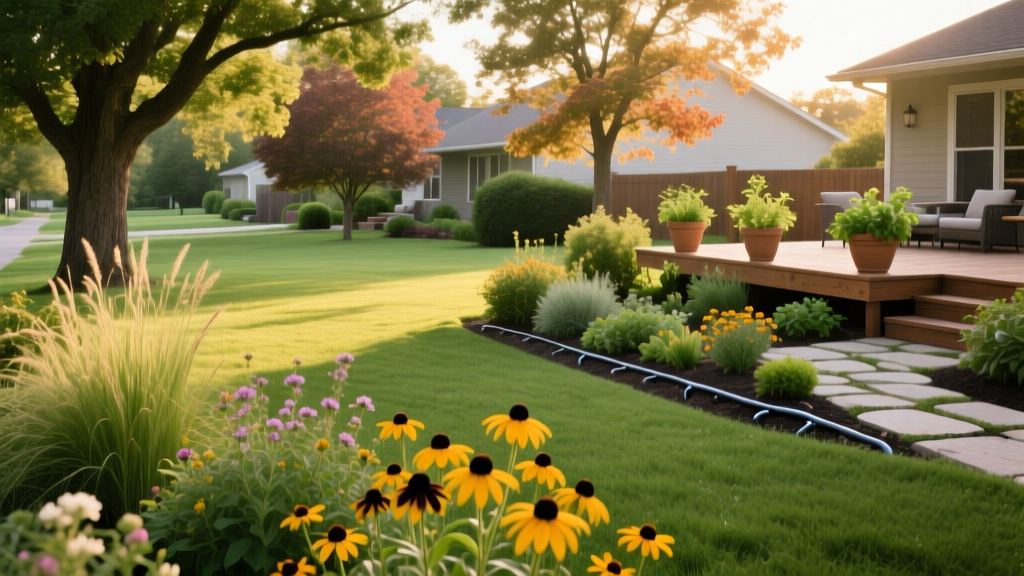
What Growing Zone Is St Louis MO? A Complete Planting Guide
What Growing Zone Is St Louis MO? The Short Answer
If you are asking what growing zone is st louis mo, the direct answer is that the St. Louis metropolitan area sits primarily in USDA Hardiness Zone 6b, with average annual extreme minimum winter temperatures ranging from -5°F to 0°F. However, due to recent climate shifts documented in the latest USDA Plant Hardiness Zone Map updates, the urban core and southern suburbs have officially transitioned into Zone 7a (0°F to 5°F).
This transitional status makes St. Louis a unique horticultural environment. You are gardening on the border between the colder northern continental climate and the warmer, more humid southern climate. Success here requires more than just knowing your zone; it demands an understanding of local microclimates, heavy clay soil profiles, and the infamous late-spring temperature fluctuations.
The Shift: Zone 6b vs. Zone 7a in the Gateway City
Historically, St. Louis was firmly classified as Zone 6a or 6b. Today, the USDA Plant Hardiness Zone Map reflects a warming trend that has pushed the metropolitan area into a split-zone reality. Understanding the difference between these two sub-zones is critical for selecting borderline-hardy perennials and overwintering crops.
| Zone Classification | Extreme Min Temp | Typical Locations in St. Louis | Avg. Frost-Free Days |
|---|---|---|---|
| Zone 6b | -5°F to 0°F | Northern suburbs (Florissant, Hazelwood), rural St. Charles County, exposed western ridges | 175 - 185 days |
| Zone 7a | 0°F to 5°F | Urban core (Soulard, Tower Grove), southern suburbs (Webster Groves, Kirkwood), river valleys | 185 - 195 days |
According to horticultural experts at the Missouri Botanical Garden, this half-zone shift means gardeners in the 7a urban pockets can successfully overwinter marginally hardy plants like Camellia species, Lagerstroemia (Crape Myrtle), and certain Agave varieties that would suffer severe dieback in the 6b northern suburbs.
The Real Challenge: St. Louis Soil Profiles
Knowing your hardiness zone is only 20% of the battle. The primary failure point for St. Louis gardeners is ignoring the native soil composition. The region is notorious for its heavy, poorly draining clay and alkaline pH levels.
Understanding the Alkaline Clay Trap
Native St. Louis soils often test at a pH of 7.2 to 7.8. This alkalinity locks up essential micronutrients, particularly iron and manganese. This is why you frequently see iron chlorosis (yellowing leaves with green veins) in popular but poorly adapted trees like the Pin Oak (Quercus palustris) and River Birch (Betula nigra) when planted in unamended urban lots.
⚠️ Warning: The Menfro Silt Loam Myth
While agricultural extension maps often cite 'Menfro silt loam' as the premier soil of eastern Missouri, residential developments in St. Louis County are almost entirely built on compacted subsoil clay and construction fill. Do not assume your yard has native topsoil. Always perform a percolation test (dig a 12-inch hole, fill with water; if it takes more than 4 hours to drain, you have a clay pan issue) before installing expensive landscaping.
The 30-30-40 Amendment Formula
To permanently alter heavy clay drainage without creating a 'bathtub effect' (where water pools in loose compost surrounded by hard clay), use the proven 30-30-40 structural amendment ratio for planting beds:
- 30% Expanded Shale (PermaTill): Provides permanent, non-degrading physical aeration and drainage.
- 30% Pine Bark Fines or Leaf Compost: Feeds soil biology and lowers alkaline pH slowly over time.
- 40% Native Clay Soil: Ensures root transition and prevents moisture-wicking away from the root ball.
For localized pH reduction, apply elemental sulfur at a rate of 1.5 lbs per 100 square feet in the fall to drop the pH by approximately 0.5 points by spring planting.
Microclimates: River Valleys and Urban Heat Islands
St. Louis geography creates distinct microclimates that override general zone maps. The confluence of the Mississippi and Missouri rivers creates deep, low-lying frost pockets. Cold air is heavy and drains into these river valleys, meaning bottomland gardens in St. Charles or near the Chain of Rocks can experience frost up to two weeks earlier in the fall and later in the spring than hilltop neighborhoods.
Conversely, the Urban Heat Island (UHI) effect in downtown St. Louis, Midtown, and dense brick-neighborhoods like Benton Park traps radiant heat. Nighttime temperatures in these areas rarely drop below freezing when suburban thermometers read 28°F. Gardeners in these UHI zones should utilize south-facing brick walls to grow Zone 7b or Zone 8 plants, such as Trachycarpus fortunei (Windmill Palm) or Rosemary officinalis, which will easily overwinter against a heated masonry facade.
Top-Performing Plants for the St. Louis Transition Zone
When selecting plants, prioritize native species and proven cultivars that tolerate both the freezing ice storms of January and the 95°F, 80% humidity days of August. The University of Missouri Extension consistently recommends the following high-performers for regional resilience.
Trees and Shrubs
- Bur Oak (Quercus macrocarpa): The ultimate St. Louis shade tree. Highly tolerant of clay soil, urban pollution, and drought once established.
- Eastern Redbud (Cercis canadensis 'Appalachian Red'): A cultivar with vivid rose-pink flowers that resists the canker disease that plagues generic seedling redbuds in humid summers.
- Virginia Sweetspire (Itea virginica 'Henry's Garnet'): A native shrub that thrives in poorly drained clay, offering fragrant white spring flowers and brilliant crimson fall foliage.
Perennials and Grasses
- Purple Coneflower (Echinacea purpurea 'Magnus'): Holds its petals horizontally rather than drooping, highly drought-tolerant, and supports native pollinators.
- Black-Eyed Susan (Rudbeckia fulgida 'Goldsturm'): Provides reliable, continuous bloom from July through September despite extreme heat.
- Little Bluestem (Schizachyrium scoparium 'The Blues'): A native warm-season grass that anchors clay slopes and turns striking copper-orange in late autumn.
Navigating the 'Blackberry Winter' and Planting Timelines
St. Louis gardeners must plan for the 'Blackberry Winter'—a localized meteorological phenomenon where a sharp cold snap and frost occur in mid-May, coinciding with the blooming of wild blackberries. This late frost frequently destroys early-planted tomatoes, peppers, and tender annuals.
✓ Pro Tip: The May 15th Rule
Despite nursery centers selling warm-season vegetables in early April, hold off on transplanting tomatoes, basil, and zucchini into unprotected garden beds until May 15th. If you must plant earlier, utilize Wall-O-Water cloches or row covers to buffer against the mid-May cold snap.
Optimal St. Louis Planting Calendar
| Crop / Task | Zone 6b Timing | Zone 7a Timing | Notes |
|---|---|---|---|
| Direct Sow Peas & Spinach | March 15 - 20 | March 1 - 10 | Soil temp must be above 45°F |
| Transplant Tomatoes | May 10 - 15 | May 1 - 10 | Wait until nighttime temps stay above 50°F |
| Plant Fall Garlic | Oct 15 - 20 | Oct 20 - 30 | Mulch heavily with straw after ground freezes |
| Aerate & Overseed Fescue | Sept 1 - 10 | Sept 10 - 15 | Use Turf-Type Tall Fescue blends for clay soils |
Gardening in St. Louis is an exercise in managing extremes. By respecting the nuances of the 6b/7a transition zone, aggressively amending alkaline clay, and timing your planting to avoid late-spring frost pockets, you can cultivate a resilient, high-yielding landscape that thrives in the unique Midwestern climate.

