
Gardening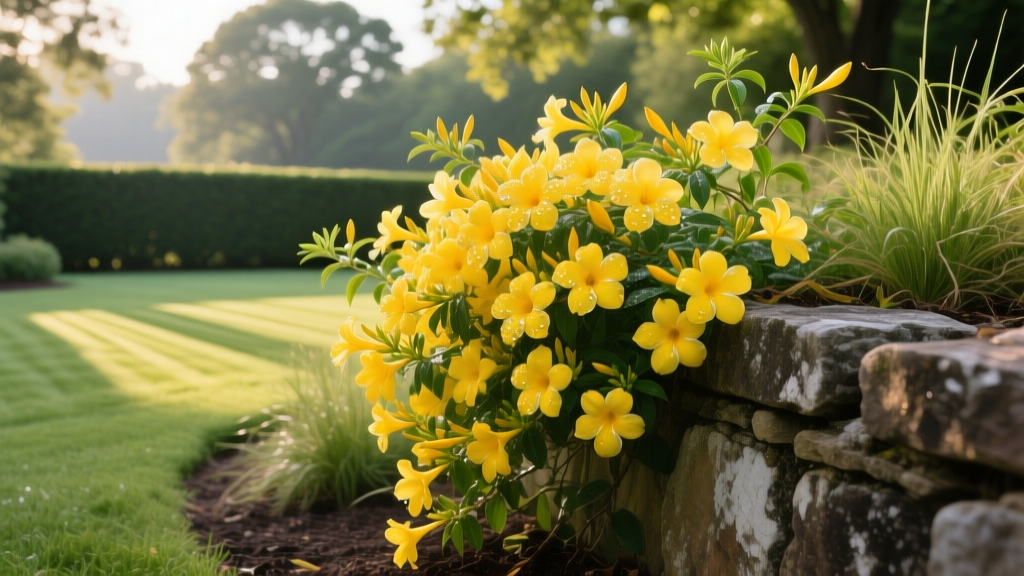
State Flower for South Carolina: Seasonal Planting Calendar
Botanical Profile and Regional Hardiness
The state flower for South Carolina is the Carolina Jessamine (Gelsemium sempervirens), a vigorous, evergreen vine celebrated for its profuse, fragrant, trumpet-shaped yellow blooms. Adopted as the official state flower in 1903, this native species thrives in the varied microclimates of South Carolina, from the humid coastal plains to the transitional piedmont regions. Successfully cultivating this vine requires strict adherence to regional seasonal calendars, as planting and pruning windows shift dramatically between USDA Hardiness Zones 7b (Upstate) and 9a (Coastal).
⚠️ Toxicity Warning: All parts of Gelsemium sempervirens are highly toxic to humans, pets, and livestock if ingested. The sap can also cause contact dermatitis in sensitive individuals. Always wear nitrile or leather gardening gloves when handling cuttings or performing heavy pruning.
USDA Zone Timing Matrix for South Carolina
South Carolina's geography creates distinct planting windows. Upstate regions (Greenville, Spartanburg) experience later spring frosts and earlier winter freezes compared to the Coastal regions (Charleston, Beaufort). Aligning your seasonal tasks with your specific zone prevents frost damage to new growth and ensures robust root establishment before summer heat stress.
| Region / Zone | Average Last Frost | Optimal Planting Window | Pruning Deadline |
|---|---|---|---|
| Upstate (Zone 7b/8a) | April 10 - April 20 | Late Sept - Early Nov | June 15 |
| Midlands (Zone 8a/8b) | March 20 - April 1 | Oct 1 - Nov 30 | June 30 |
| Coastal (Zone 8b/9a) | March 1 - March 15 | Oct 15 - Dec 15 | July 15 |
According to the Clemson University Home & Garden Information Center, fall planting is universally preferred across the state. This allows the root system to establish in cool, moist soil before the intense evaporation rates of a South Carolina summer.
The Four-Season Care Calendar
Spring (February - April): Bloom Management and Frost Watch
Carolina Jessamine blooms on old wood produced the previous summer. In the Coastal zone, blooming begins in late February, while Upstate vines may not flower until mid-March. During this period, avoid applying high-nitrogen fertilizers, which will promote vegetative leaf growth at the expense of flower production. If a late hard freeze is forecasted while the vine is in full bud, cover the lower trellis sections with frost cloth (spunbond polypropylene) to protect the primary bloom nodes.
Summer (May - August): Moisture Regulation and Pest Scouting
Once flowering ceases, the vine enters its primary vegetative growth phase. South Carolina summers bring high humidity and periodic drought. Water established vines deeply with 1 inch of water per week, applying it directly to the root zone via drip irrigation to keep foliage dry and prevent fungal pathogens like Botryosphaeria canker. Scout the undersides of leaves for spider mites, which proliferate in hot, dry conditions. If mite stippling is observed, apply horticultural oil (neem oil at a 2% dilution rate) during the cooler evening hours to prevent leaf burn.
Fall (September - November): The Primary Planting Window
Soil temperatures in South Carolina remain above 60°F well into November, providing the ideal thermal environment for root expansion. This is the optimal time to install nursery-grown 1-gallon or 3-gallon containers. Apply a 2-inch layer of pine bark mulch around the base, keeping it 3 inches away from the main stem to prevent collar rot.
Winter (December - January): Dormancy and Structural Training
While evergreen in the Coastal and Midlands zones, Upstate vines may experience partial defoliation or bronze-colored leaf discoloration during severe cold snaps. Use this dormant period to weave and tie new structural vines to their support systems using flexible arbor ties, avoiding tight wire that can girdle the stems as they expand in spring.
Soil Preparation and Planting Specifications
Carolina Jessamine demands well-draining, acidic soil to thrive. Alkaline soils (pH above 7.0) will induce severe iron chlorosis, presenting as interveinal yellowing on new growth. Follow these precise specifications for site preparation:
- Test Soil pH: Target a pH between 5.5 and 6.5. If your soil tests above 6.8, incorporate elemental sulfur at a rate of 1 pound per 100 square feet to lower the pH by approximately 0.5 points.
- Excavate the Planting Hole: Dig a hole exactly as deep as the root ball and 2.5 times as wide. Roughen the sides of the hole with a garden fork to prevent glazing, which restricts lateral root penetration in heavy piedmont clay.
- Amend the Backfill: Do not use pure compost in the planting hole, as this creates a 'bathtub effect' that retains excess water. Instead, mix native soil with 20% finely milled pine bark to improve drainage while maintaining structural integrity.
- Initial Hydration: After backfilling, apply 3 gallons of water mixed with a root-stimulating hormone (containing 0.1% Indole-3-butyric acid) to encourage rapid root initiation.
💡 Expert Tip: When planting near a masonry wall or foundation, note that lime leaching from concrete and mortar can artificially raise the soil pH over time. Plant the vine at least 18 inches away from concrete foundations to avoid chronic alkalinity issues.
Pruning Decision Framework for Optimal Bloom Cycles
Improper pruning is the most common reason Carolina Jessamine fails to bloom. Because the state flower for South Carolina sets its flower buds in late summer and early fall, pruning at the wrong time removes the impending spring display. Use this decision matrix to determine your pruning strategy:
- Scenario A: Post-Bloom Maintenance (Standard)
Timing: Immediately after flowers drop (May/June).
Action: Cut back flowering shoots by one-third to maintain density and encourage lateral branching. Sterilize bypass pruners with 70% isopropyl alcohol between cuts. - Scenario B: Overgrown / Neglected Vine (Renovation)
Timing: Late winter (February), sacrificing the upcoming spring bloom.
Action: Cut all stems back to 12 inches above the soil line. Apply a balanced 10-10-10 slow-release fertilizer (such as Osmocote) at a rate of 1 tablespoon per square foot of root zone to fuel aggressive vegetative recovery. - Scenario C: Containment on Small Trellises
Timing: Mid-summer (July).
Action: Perform light tip-pruning on runaway leaders. Note that pruning after July 15 in the Upstate (or August 1 in Coastal zones) will remove next year's flower buds.
For comprehensive botanical data and regional pest management strategies, consult the NC State Extension Plant Toolbox, which provides detailed pathology reports on Gelsemium sempervirens across the Southeastern United States. By aligning your cultivation practices with South Carolina's distinct seasonal rhythms, your Carolina Jessamine will provide a reliable, fragrant canopy of gold year after year.

