
Gardening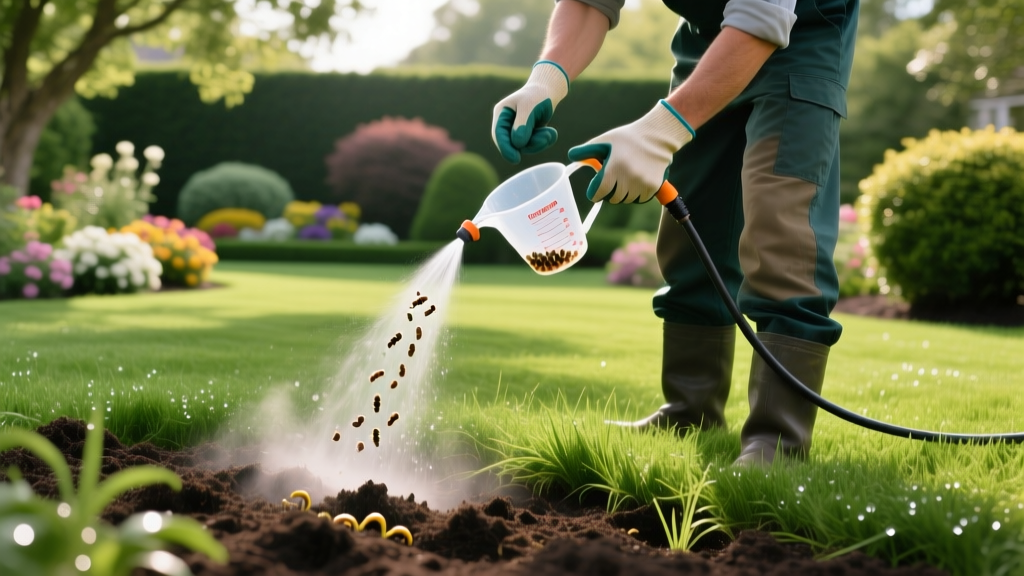
How to Apply Beneficial Nematodes for Gardening Pest Control
Chemical pesticides often disrupt the delicate soil food web, but biological control offers a targeted, organic alternative. Using beneficial nematodes for gardening is one of the most effective ways to eradicate soil-dwelling pests like fungus gnats, Japanese beetle grubs, and fleas without harming earthworms, plants, or pets. These microscopic, unsegmented roundworms actively hunt down insect larvae, penetrate their bodies, and release symbiotic bacteria (Xenorhabdus or Photorhabdus) that kill the host within 48 hours.
However, nematodes are living organisms, not inert chemicals. Their survival and efficacy depend entirely on proper strain selection, precise water temperatures, and correct application mechanics. This guide details the exact protocols for deploying entomopathogenic nematodes in your garden beds and lawn.
Decoding Nematode Strains: Which One Do You Need?
There is no 'universal' nematode. Different species have evolved to hunt specific pests in distinct soil temperature ranges. Misidentifying your target pest or applying a cool-weather strain in the heat of summer will result in total application failure. As of 2026, a standard commercial tray of 5 million nematodes typically costs between $30 and $45, treating up to 5,000 square feet.
| Nematode Species | Primary Target Pests | Optimal Soil Temp | Common Commercial Brand |
|---|---|---|---|
| Steinernema feltiae | Fungus gnats, thrips pupae, mushroom flies | 50°F – 75°F (Cool) | Scanmask |
| Heterorhabditis bacteriophora | Japanese beetle grubs, June bugs, weevils | 60°F – 90°F (Warm) | NemaShield Hb |
| Steinernema carpocapsae | Fleas, cutworms, armyworms, mole crickets | 55°F – 85°F (Broad) | Nematoc |
According to the University of California Statewide Integrated Pest Management (IPM) Program, matching the nematode's natural foraging behavior to the pest's depth in the soil profile is critical. S. feltiae is an intermediate forager, making it ideal for shallow-dwelling fungus gnat larvae in greenhouse or container soils, while H. bacteriophora is an active cruiser that digs deeper to find scarab grubs.
Pre-Application Soil and Water Prep
Nematodes are highly susceptible to desiccation (drying out) and UV radiation. You must prepare the environment before you even open the shipping container.
⚠️ CRITICAL WARNING: Chlorine and UV Exposure
Municipal tap water contains chlorine or chloramine, which will kill nematodes on contact. You must fill your sprayer or watering cans with tap water and let them sit uncovered for at least 24 hours to allow chlorine to off-gas. (Note: Chloramine does not off-gas easily; if your city uses it, use distilled or rainwater). Furthermore, never apply nematodes during daylight hours. UV light destroys their cellular structure within minutes.
Soil Moisture Calibration
Nematodes travel through the water film surrounding soil particles. If the soil is bone dry, they cannot move and will expire. Water your target area deeply 24 hours before application to ensure the top 3 to 6 inches of soil are moist but not waterlogged. Saturated, anaerobic soil will drown both the nematodes and the pest larvae.
The Exact Mixing and Application Protocol
The standard application rate is 1 million nematodes per 1,000 square feet for moderate infestations, or up to 2 million per 1,000 square feet for severe grub or flea problems.
- Hydrate the Sponge: Most commercial nematodes ship in a damp cellulose sponge or clay powder. Submerge the entire sponge or powder packet into a 5-gallon bucket containing 2 to 3 gallons of dechlorinated water (strictly between 60°F and 85°F). Let it sit for 10 minutes.
- Extract and Agitate: Squeeze the sponge repeatedly underwater until the water turns cloudy. If using a powder, stir vigorously to break up clumps. The nematodes are now suspended in the water.
- Prepare the Sprayer: Use a hose-end sprayer (like the Ortho Dial N Spray) or a backpack sprayer. You must remove the internal plastic filter screen from the sprayer nozzle. The shear force of water being forced through a tight mesh screen will physically crush and kill the nematodes.
- Apply at Dusk: Spray the mixture evenly over the target area just as the sun sets. Keep the sprayer agitated by shaking the tank or bucket every few minutes, as nematodes will settle to the bottom and suffocate if left stagnant.
- Water It In: Immediately after spraying, use a standard garden hose to water the area with about 1/4 inch of plain water. This washes the nematodes off the grass blades and down into the soil profile where the pests live.
Troubleshooting Common Application Failures
If you applied nematodes but still see pest damage two weeks later, one of the following failure modes likely occurred:
- Thermal Shock: Mixing nematodes into water that is too hot (above 85°F) or applying them to sun-baked soil that exceeds 95°F will cook them instantly. Always apply in the early evening when soil temperatures are dropping.
- Nozzle Shear Force: Using a high-pressure power washer or a sprayer with a fine mesh filter physically macerates the nematodes. Always use low-pressure, high-volume application methods.
- Shipping Desiccation: If the shipping sponge arrives completely dry and brittle, the nematodes are dead. Reputable suppliers ship with ice packs; if the package feels warm and dry upon arrival, request a replacement immediately.
- Pest Misidentification: Nematodes only kill insects in their larval or pupal stages. If you apply them to target adult Japanese beetles flying above the lawn, they will have zero effect. They must intercept the grubs in the soil.
Post-Application Moisture Management
The Royal Horticultural Society (RHS) emphasizes that post-application irrigation is the most overlooked step in biological pest control. Nematodes require a moist environment to survive long enough to find a host.
💧 The 14-Day Moisture Rule
For the first 14 days after application, you must water the treated area lightly every 1 to 2 days. The goal is to keep the top layer of soil consistently damp. If a dry spell occurs and the topsoil dries out completely, the nematode population will crash before they can reproduce inside their hosts.
Frequently Asked Questions
Are beneficial nematodes safe for earthworms and pets?
Yes. Entomopathogenic nematodes are highly specific to arthropods and insects. They do not recognize the anatomy of earthworms, mammals, birds, or humans as suitable hosts. Pets and children can safely play on treated lawns immediately after the application has dried.
How long do nematodes live in the soil?
If they do not find a host, applied nematodes will typically survive in the soil for 4 to 6 weeks. However, if they successfully infect and reproduce inside a grub, the next generation of infective juveniles will emerge from the carcass, establishing a self-sustaining population that can provide pest control for several seasons.
Can I mix nematodes with organic fertilizers?
You should avoid mixing nematodes directly with high-nitrogen liquid fertilizers, neem oil, or any chemical pesticides, as these can be toxic to them. Apply fertilizers a week before or a week after your nematode treatment to ensure the biological agents are not compromised by soil chemistry fluctuations.

