
Gardening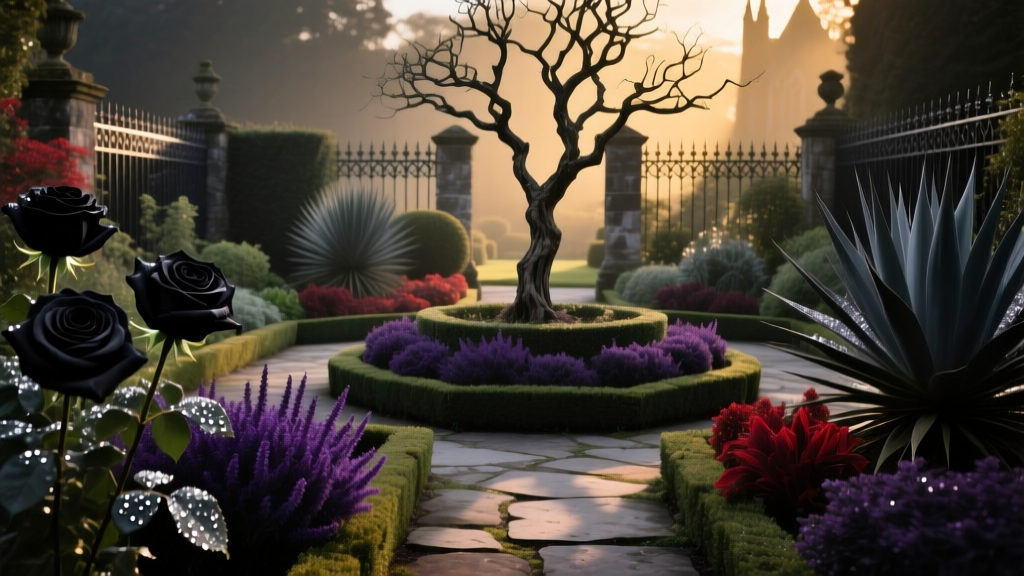
How to Design and Plant a Gothic Garden: A Step-by-Step Guide
The Anatomy of a Gothic Garden
A gothic garden relies on Victorian romance, moody color palettes, and striking architectural structure rather than Halloween gimmicks. The aesthetic is defined by deep purples, near-black foliage, silver-greens, and dramatic structural elements like wrought iron and weathering steel. Achieving this look requires a precise understanding of shade horticulture, soil chemistry, and spatial design. This guide provides the exact specifications, plant cultivars, and implementation steps needed to cultivate a thriving, dark-palette landscape.
The 4 Pillars of Gothic Design
- Color Palette: Restrict colors to black, deep plum, burgundy, charcoal, and silver-variegated greens. Avoid bright yellows, oranges, and hot pinks.
- Texture Contrast: Pair velvety leaves (like Heuchera) with spiky architectural forms (like Phormium) and weeping mosses.
- Structural Hardscape: Utilize oxidized metals, dark slate, and wrought iron obelisks to create vertical focal points.
- Atmospheric Lighting: Use low-voltage, warm-white (2700K) uplighting to cast long, dramatic shadows across textured foliage.
Site Selection and Soil Chemistry
The greatest challenge in maintaining a gothic garden is preserving the dark pigmentation of the foliage. The deep purples and blacks in plants are caused by anthocyanins. If exposed to harsh, direct afternoon sun, these pigments break down, and the leaves will scorch or revert to a muddy green. Conversely, in deep, full shade, the plant lacks the energy to produce anthocyanins, resulting in lighter, greener foliage.
The Ideal Microclimate: Select a site that receives dappled morning sun and full afternoon shade. According to University of Minnesota Extension shade gardening guidelines, dappled light provides the optimal photosynthetic energy without the UV degradation that ruins dark-leafed cultivars.
Soil pH and Amendment Strategy
Dark-foliaged perennials, particularly Heuchera and Ajuga, require slightly acidic soil to maximize pigment production and nutrient uptake. Aim for a soil pH between 5.5 and 6.5. You can verify your baseline using a digital soil meter or by following the Royal Horticultural Society soil pH testing protocols.
- To lower pH (if above 6.5): Apply elemental sulfur at a rate of 1.5 lbs per 100 square feet to drop the pH by one full point. Cost: ~$12 for a 5 lb bag.
- To improve drainage: Dark foliage plants are highly susceptible to crown rot in heavy clay. Incorporate 2 inches of composted pine bark fines (not peat moss, which can become hydrophobic) into the top 6 inches of the soil profile.
Plant Selection Matrix: The Dark Palette
Selecting the right cultivars is critical. Do not rely on generic species; you must source specific cultivars bred for dark pigmentation. Below is a curated matrix of high-performance gothic garden plants, verified via the Missouri Botanical Garden Plant Finder database for hardiness and cultural requirements.
| Common Name | Botanical Name / Cultivar | USDA Zones | Light Requirement | Est. Cost (1-Gal) |
|---|---|---|---|---|
| Black Mondo Grass | Ophiopogon planiscapus 'Nigrescens' | 6-9 | Part Shade | $12 - $15 |
| Coral Bells | Heuchera 'Obsidian' | 4-9 | Dappled Shade | $18 - $24 |
| Black Bugbane | Actaea simplex 'Hillside Black Beauty' | 4-8 | Part to Full Shade | $25 - $32 |
| New Zealand Flax | Phormium tenax 'Dark Delight' | 8-11 | Full Sun to Part Shade | $35 - $45 |
| Raven ZZ Plant | Zamioculcas zamiifolia 'Dowon' | 9-10 (Container) | Low to Bright Indirect | $20 - $30 |
Spotlight: Designing with Black Mondo Grass
Ophiopogon planiscapus 'Nigrescens' is the foundational groundcover for gothic landscapes. Unlike standard green liriope, 'Nigrescens' forms tight, 6-inch mounds of jet-black, grass-like leaves. Plant them in a staggered grid, spaced exactly 8 inches apart, to create a dense, living black carpet that suppresses weeds and contrasts sharply with silver-foliaged accents like Artemisia 'Powis Castle' or dusted-white Caladium bulbs.
Hardscaping and Architectural Elements
A gothic garden fails without structural hardscaping to anchor the softscaping. Avoid bright red bricks, yellow gravel, or modern composite decking.
Approved Hardscape Materials
- Edging: 14-gauge Corten (weathering) steel. As it oxidizes, it develops a deep, dark rust patina that blends seamlessly into the soil. Expect to pay $4.50 to $6.00 per linear foot.
- Pathways: Tumbled dark bluestone or black slate flagstone, laid with creeping black moss or dark green Sagina subulata (Scotch moss) in the joints.
- Vertical Structures: Powder-coated black aluminum or wrought iron obelisks and trellises. Aluminum is preferred over iron in high-humidity zones to prevent structural rust failure, while maintaining the matte-black aesthetic.
Step-by-Step Implementation Plan
Execute the installation in this specific order to prevent soil compaction and damage to delicate root crowns.
- Clear and Grade (Day 1): Remove existing turf. Grade the area to ensure a 2% slope away from any structural foundations. Install the 14-gauge Corten steel edging, securing it with 18-inch steel stakes driven every 3 feet.
- Amend the Soil (Day 2): Spread 2 inches of composted pine bark fines and the calculated dose of elemental sulfur. Till to a depth of 6 inches. Water deeply and allow the bed to settle for 48 hours.
- Place Hardscape and Structures (Day 3): Set slate stepping stones and install wrought iron obelisks. Anchor obelisks at least 12 inches into the subsoil to prevent wind-throw.
- Plant the Matrix (Day 4): Position your tallest structural plants (Actaea and Phormium) first. Follow with mid-tier Heuchera, and finish with the Ophiopogon groundcover border. Plant all crowns exactly 1/2 inch above the soil line to prevent rot.
- Mulch and Illuminate (Day 5): Apply 1.5 inches of dark hardwood mulch (avoid dyed mulches, which can leach unnatural colors). Install low-voltage LED uplights at the base of the obelisks, aiming upward to cast shadows against nearby fences or walls.
Common Pitfalls and Troubleshooting
Avoid These Critical Mistakes
- Foliage Reversion: If your black or purple plants start producing green leaves, they are not receiving enough light. Relocate them to an area with at least 3 hours of morning sun.
- Slug and Snail Damage: Dark-leafed Heuchera and Hosta are prime targets for slugs, which leave silvery slime trails and ragged holes. Do not use traditional metaldehyde baits, which are toxic to pets. Instead, apply an iron phosphate-based bait (such as Sluggo) at a rate of 1 teaspoon per square yard around the base of the plants at dusk.
- Lighting Color Temperature Errors: Never use cool-white (4000K-5000K) LED bulbs. The blue spectrum mimics security lighting and destroys the moody, romantic atmosphere. Strictly use 2700K or 3000K warm-white LEDs.
Building a gothic garden is an exercise in restraint and precision. By strictly controlling the color palette, optimizing soil pH for anthocyanin production, and utilizing weathering steel and dark stone, you create a landscape that is both botanically resilient and visually arresting. Monitor the soil moisture closely during the first 60 days, and your dark-palette oasis will establish a deep, enduring root system.

