
Gardening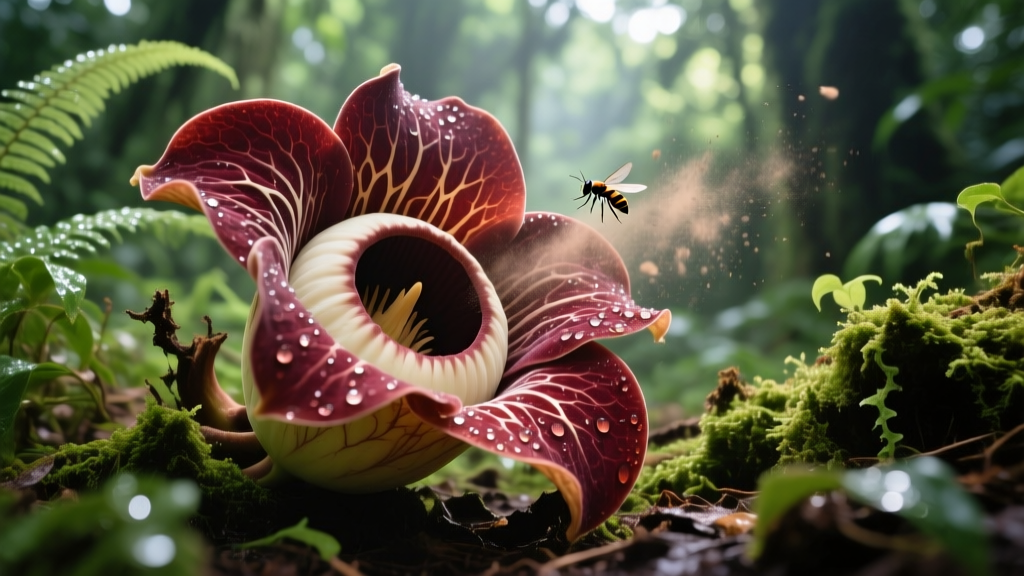
Stinky Flowers: A Beginner's Guide to Foul Blooms
The Ecology of Stench: Why Grow Foul-Smelling Flowers?
Most gardeners seek out fragrant roses and sweet jasmine, but a growing niche of horticulturalists is deliberately cultivating stinky flowers. These plants, often referred to as carrion flowers, have evolved to mimic the scent of decaying organic matter, rotting meat, or stagnant water. The evolutionary purpose is highly specific: to attract blowflies, carrion beetles, and fungus gnats for pollination in environments where bees and butterflies are scarce.
For the beginner gardener, growing these botanical oddities offers a unique conversation starter and a fascinating window into plant-insect co-evolution. The chemical compounds responsible for these odors—such as dimethyl trisulfide, putrescine, and cadaverine—are identical to those found in actual decay. However, cultivating them requires strategic placement and specific soil conditions to ensure the garden remains enjoyable for human visitors.
Botanical Fact: The odor of a carrion flower is often accompanied by thermogenesis. Plants like the Skunk Cabbage can generate their own heat, raising their internal temperature up to 70°F (21°C) above the ambient air to volatilize the foul-smelling compounds and mimic the warmth of a fresh carcass.
Top 4 Beginner-Friendly Stinky Flowers
While the famous Corpse Flower (Amorphophallus titanum) requires a massive greenhouse and a decade of growth, several highly accessible species thrive in home gardens and containers. Here are the best options for beginners, complete with exact care specifications.
1. Stapelia gigantea (Zulu Giant)
Native to South Africa, this succulent produces massive, star-shaped, pale yellow flowers covered in fine white hairs. The blooms span 8 to 12 inches across and emit a strong odor of rotting meat. According to the Royal Horticultural Society, Stapelia is highly drought-tolerant but exceptionally prone to root rot if overwatered.
- Soil Recipe: 50% pumice or perlite, 30% coarse sand, 20% standard potting soil. Never use moisture-retaining peat-heavy mixes.
- Container Specs: Use an 8-inch unglazed terracotta pot. Plastic pots trap humidity and will cause the fleshy stems to turn to mush.
- Watering: Water only when a wooden skewer inserted into the soil comes out 100% dry. Cease watering entirely during winter dormancy.
2. Dracunculus vulgaris (Dragon Arum)
This striking Mediterranean perennial features a deep maroon spathe and a black spadix that smells intensely of dog feces and decaying meat. The odor is potent but short-lived, typically lasting only 24 to 48 hours during peak bloom.
- Planting Depth: Plant the tubers 6 inches deep in late autumn. Space them 12 inches apart to accommodate their large, palmate leaves.
- Dormancy Protocol: This plant requires a dry summer dormancy. Once the leaves yellow in early July, stop watering completely. Overwatering dormant corms guarantees fungal rot.
- Sunlight: Full morning sun with dappled afternoon shade. Too much direct afternoon heat will scorch the foliage before the bloom cycle completes.
3. Symplocarpus foetidus (Skunk Cabbage)
One of the few native North American stinky flowers, Skunk Cabbage is an early spring bloomer that pushes through snow and ice. It emits a skunky, garlic-like odor when the leaves are bruised or crushed. The University of Minnesota Extension notes its critical role in providing early-season nectar for native flies and midges.
- Hydration Needs: This is a bog plant. It requires constantly saturated, poorly draining soil. It is ideal for rain gardens or the edges of natural ponds.
- Transplanting Warning: Skunk Cabbage has a massive, deep taproot. Never attempt to transplant a mature specimen from the wild; it will die. Always purchase nursery-grown plugs and plant them directly into their permanent water-logged location.
4. Aristolochia macrophylla (Dutchman's Pipe)
A vigorous deciduous vine that produces small, pipe-shaped flowers smelling of dirty laundry and stale meat. While the flowers are small, the vine is a powerhouse, capable of growing 30 feet in a single season. More importantly, it is the exclusive host plant for the stunning Pipevine Swallowtail butterfly.
- Support Structure: Requires a heavy-duty steel or wooden trellis capable of supporting 50+ pounds of wet foliage. Flimsy wire trellises will collapse under its weight.
- Pruning: Prune aggressively in late winter to control size. Cut back to 2-3 main woody stems to encourage vigorous spring growth and better air circulation.
Species Comparison Matrix
| Species | Odor Profile | Bloom Duration | USDA Zones | Beginner Difficulty |
|---|---|---|---|---|
| Stapelia gigantea | Rotting meat | 5 - 7 days | 9 - 11 (or indoor) | 2/5 (Easy) |
| Dracunculus vulgaris | Dog feces / Decay | 24 - 48 hours | 8 - 10 | 3/5 (Moderate) |
| Symplocarpus foetidus | Skunk / Garlic | 2 - 3 weeks | 4 - 7 | 4/5 (Site specific) |
| Aristolochia macrophylla | Dirty laundry | 4 - 6 weeks | 5 - 8 | 2/5 (Easy) |
Strategic Placement: The 3-Zone Odor Management Plan
The most common mistake beginners make with stinky flowers is planting them near high-traffic areas. To enjoy the visual spectacle without enduring the olfactory assault, implement this 3-zone placement strategy based on prevailing wind patterns.
- Zone 1: The Exclusion Zone (0-15 feet from seating). Never plant carrion flowers within 15 feet of patios, decks, doors, or open windows. Fly activity will be highest immediately surrounding the bloom, making outdoor dining impossible.
- Zone 2: The Downwind Buffer (15-30 feet). Identify your garden's prevailing summer wind direction. Plant your stinky specimens strictly downwind of your primary outdoor living spaces. The breeze will carry the scent away from your home rather than into it.
- Zone 3: Container Mobility. For highly potent species like Dracunculus vulgaris, grow them in large, wheeled container caddies (rated for 200+ lbs). When the spathe begins to open, roll the container to the back perimeter of your property. Once the 48-hour bloom window closes, roll it back to its prime visual location.
Expert Insight: 'The intensity of a carrion flower's odor is directly correlated to ambient temperature and humidity. A Stapelia blooming on a dry, cool 65°F morning will be barely noticeable, but that same flower on an 85°F afternoon with 80% humidity will perfume an entire yard. Plan your outdoor events accordingly.'
Troubleshooting Common Beginner Mistakes
My Stapelia stems are turning yellow and mushy at the base.
This is stem rot caused by overwatering or poor drainage. If caught early, you can save the plant. Use a sterilized knife to cut away all mushy tissue until you reach firm, green tissue. Dust the cut with cinnamon powder (a natural fungicide) and let the cutting sit out of direct sunlight for 5 days to callous over before repotting in a 100% dry pumice mix.
My Dragon Arum produces lush leaves but never flowers.
Dracunculus vulgaris requires a specific sequence to trigger blooming: a cold winter stratification followed by a bone-dry summer dormancy. If you water the plant during its summer dormancy, or if the winter temperatures never drop below 40°F, the corm will not receive the environmental cues required to initiate the flower spike. Reduce summer watering to zero and ensure the corm is planted at least 6 inches deep to protect it from extreme freezes while still experiencing the cold.
Flies are entering my house when the flowers bloom.
Carrion flowers attract blowflies, which are visual seekers of light. If your stinky flowers are planted near a brightly lit window at night, the flies will congregate on the glass and find their way inside through microscopic screen tears. Turn off exterior lights near the bloom site, or install yellow 'bug bulbs' (which emit a wavelength less attractive to insects) on your porch during the 5-day bloom window.
For more fascinating botanical adaptations, the National Geographic archives offer deep dives into the evolutionary biology of the world's largest and most pungent blooms. By understanding the precise ecological needs and chemical triggers of these plants, beginner gardeners can successfully cultivate a spectacular, albeit foul-smelling, botanical collection.

