
Gardening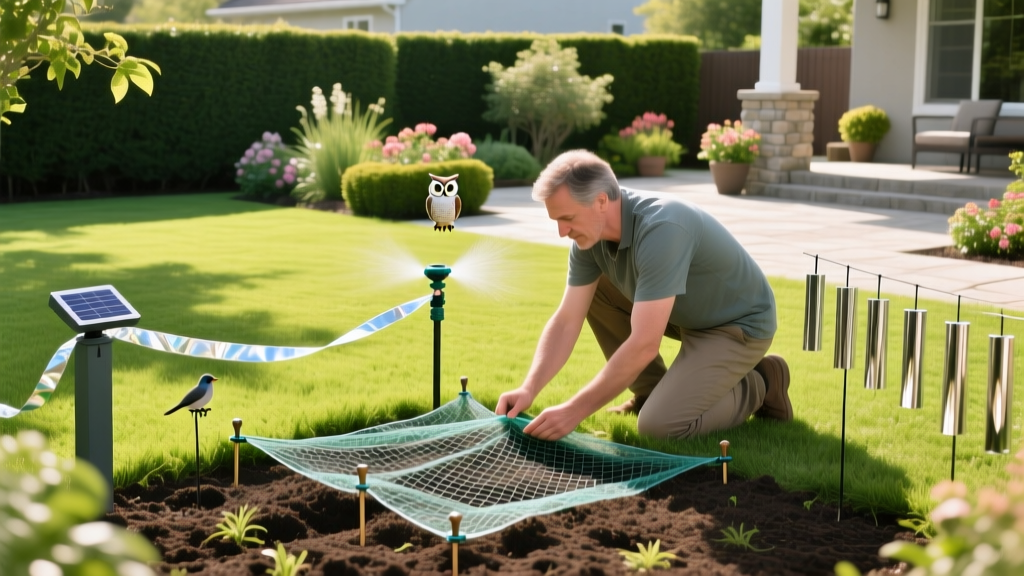
How to Keep Birds From Eating Grass Seed: 7 Proven Deterrents
The Economics of Seed Loss: Why Birds Target Your Lawn
Establishing a new lawn or overseeding an existing one requires precise timing, soil preparation, and moisture management. However, local avian populations—particularly sparrows, starlings, finches, and mourning doves—view freshly broadcasted grass seed as an all-you-can-eat buffet. According to turfgrass extension research, unprotected grass seed can suffer up to 30% loss to bird foraging within the first 72 hours of sowing. Understanding how to keep birds from eating grass seed is not just about deploying scare tactics; it requires a strategic approach combining physical barriers, habitat modification, and mathematical overcompensation.
Data Highlight: Seed Size and Bird Preference
Birds selectively target larger seeds that are easier to spot and consume. Tall Fescue yields approximately 225,000 seeds per pound, and Perennial Ryegrass yields about 250,000 seeds per pound. These are prime targets. Conversely, Kentucky Bluegrass (KBG) contains roughly 1,300,000 seeds per pound, and Fine Fescues contain over 400,000 seeds per pound. The smaller the seed, the more likely it is to slip into soil crevices and evade avian detection.
Birds selectively target larger seeds that are easier to spot and consume. Tall Fescue yields approximately 225,000 seeds per pound, and Perennial Ryegrass yields about 250,000 seeds per pound. These are prime targets. Conversely, Kentucky Bluegrass (KBG) contains roughly 1,300,000 seeds per pound, and Fine Fescues contain over 400,000 seeds per pound. The smaller the seed, the more likely it is to slip into soil crevices and evade avian detection.
Physical Barriers: The Gold Standard for Seed Protection
While noisemakers and decoys offer temporary relief, physical barriers remain the only 100% effective method for protecting germinating seed. The goal is to obscure the seed from sight while allowing water penetration and sunlight exposure.
Wheat Straw vs. Hay: A Critical Distinction
Applying a light layer of mulch is the traditional method for hiding seed. However, homeowners frequently make a catastrophic error by purchasing hay instead of straw. Hay is harvested as livestock feed and contains thousands of viable weed seeds, including Poa annua (annual bluegrass) and crabgrass. Straw, specifically wheat or barley straw, consists of the hollow stalks left after the grain is harvested and contains virtually no weed seeds.
- Coverage Rate: Apply 1 bale of straw per 1,000 square feet.
- Visual Check: You should still be able to see roughly 20% to 30% of the soil through the straw matrix. If the soil is completely covered, the layer is too thick and will block sunlight, stunting germination.
- 2026 Pricing: Expect to pay between $8 and $14 per square bale depending on regional agricultural supply chains.
Biodegradable Seed Germination Blankets
For sloped terrain or areas with high bird and wind activity, straw is insufficient. Seed germination blankets (erosion control mats) are manufactured from excelsior (wood shavings), coconut coir, or straw encased in biodegradable netting. Products like the DeWitt Seed Germination Blanket or Curlex II are pinned directly to the soil using 6-inch landscape staples.
According to University of Minnesota Extension guidelines on lawn establishment, erosion control blankets not only deter birds entirely but also retain soil moisture, reducing watering frequency by up to 50% during the critical 14-day germination window. A standard 4x225 foot roll costs approximately $35 to $45, making it a premium but highly effective investment for vulnerable lawn zones.
Visual and Auditory Deterrents: Do They Actually Work?
Visual and auditory deterrents exploit a bird's natural fear of predators or disorienting stimuli. However, birds are highly adaptable and will habituate to static threats within 48 to 72 hours. To maintain efficacy, these methods must be dynamic.
| Deterrent Type | Mechanism of Action | Efficacy Rating | Estimated Cost |
|---|---|---|---|
| Reflective Mylar Tape | Flashes sunlight and creates a metallic crinkling sound in the wind. | High (if moved weekly) | $12 - $18 per 100ft roll |
| Predator Decoys (Owls/Hawks) | Visual mimicry of natural avian predators. | Low (habituates in 3 days) | $20 - $40 per unit |
| Ultrasonic Repellents | Emits high-frequency sound waves inaudible to humans. | Very Low (poor scientific backing) | $30 - $60 per unit |
| Motion-Activated Sprinklers | Startles birds with sudden water bursts and noise. | Very High | $40 - $75 per unit |
Pro Tip: If using predator decoys, you must relocate the decoy to a different stake or roofline every two days. If the "owl" never moves, local starlings will quickly realize it is artificial and may even perch on it.
The 25% Overcompensation Strategy
Even with excellent deterrents, some seed loss is inevitable. Professional turf managers utilize an "overcompensation buffer" when calculating seeding rates. If your lawn requires 5 lbs of Tall Fescue seed per 1,000 square feet for a standard overseeding, you should purchase and apply 6.25 lbs per 1,000 square feet. This 25% buffer accounts for avian foraging, wind displacement, and poor soil-to-seed contact. While this increases upfront material costs by roughly $8 to $12 per 1,000 square feet, it prevents the much higher cost and labor of re-seeding bare patches a month later.
Step-by-Step Establishment Protocol for High-Bird-Activity Zones
Follow this sequence to maximize germination while minimizing bird interference, referencing best practices outlined by Penn State Extension's turfgrass establishment protocols.
- Aerate and Prepare: Core aerate the soil to create micro-crevices. Seeds that fall into aeration holes are naturally hidden from birds.
- Broadcast Seed: Apply your seed (plus the 25% buffer) using a rotary spreader, splitting the application into two perpendicular passes for even coverage.
- Rake Lightly: Use a leaf rake turned upside down (tines pointing up) to gently drag the seed into the top 1/8 inch of soil. Buried seed cannot be eaten.
- Deploy Barriers: Lay down your wheat straw or pin your biodegradable germination blanket over the area.
- Install Perimeter Deterrents: Stake reflective Mylar tape around the perimeter of the lawn at 3-foot intervals, twisting the tape so it catches the wind and flashes sunlight.
- Water Immediately: Water the area lightly. Moist seed swells slightly and sticks to the soil, making it significantly harder for birds to pick up compared to dry, loose seed.
Frequently Asked Questions
Will coating the seed in bird repellent chemicals work?
Consumer-grade grass seeds coated with methyl anthranilate (a grape-flavored extract that birds find foul-tasting) exist in agricultural markets but are rarely available or cost-effective for residential lawns. Instead, opt for seeds with hydroscopic water-retention coatings (like Scotts WaterSmart PLUS). While not explicitly a bird repellent, the coating makes the seed heavier and stickier once wet, reducing the ease with which birds can snatch it from the surface.
Do birds eat Kentucky Bluegrass seed?
Rarely. Kentucky Bluegrass seed is exceptionally small and dust-like. When raked into the soil or washed into aeration holes, it becomes virtually invisible to foraging birds. If you have a severe bird problem and your climate supports it, transitioning to a KBG-dominant mix can naturally bypass the foraging issue entirely.
How long do I need to keep deterrents in place?
Grass seed is most vulnerable from the moment it hits the soil until the radicle (first root) anchors it, which typically takes 5 to 10 days depending on soil temperature and moisture. Once the seed has germinated and the first green shoot emerges, birds lose interest entirely. Maintain your physical and visual deterrents for a minimum of 14 days post-seeding.

