
Gardening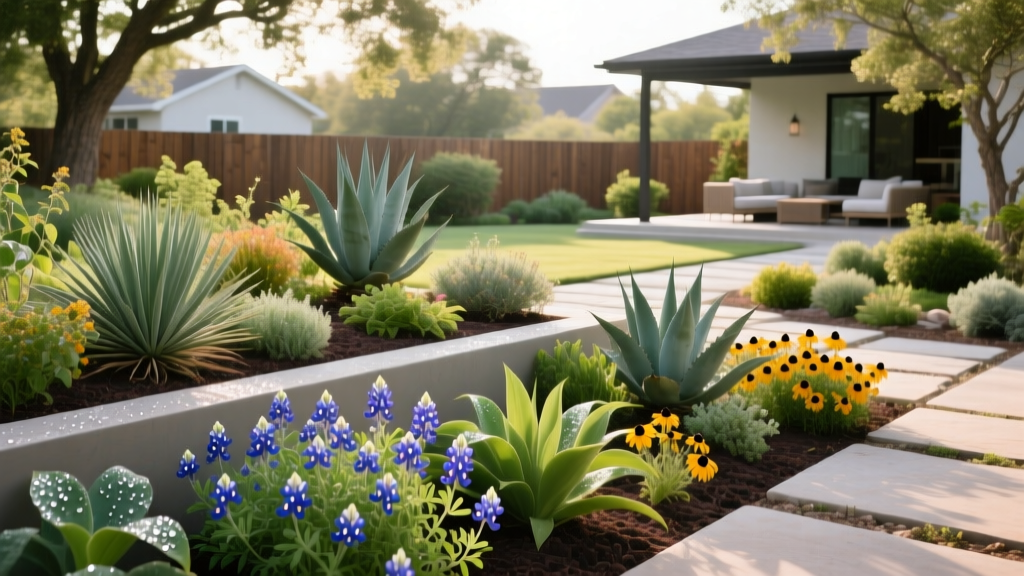
When to Plant Texas Indigenous Plants: Regional Seasonal Calendar
The Ecological Reality of Texas Planting Zones
Texas spans USDA Hardiness Zones 6b through 10a, encompassing vastly different microclimates from the humid Piney Woods of the east to the arid High Plains of the west. Because of this extreme geographical diversity, applying a generic spring planting schedule to texas indigenous plants often results in high mortality rates. Native species evolved to sync with specific regional rainfall patterns and soil temperature fluctuations. To achieve deep root establishment and long-term drought resilience, gardeners must align their planting timelines with the distinct seasonal rhythms of their specific ecological zone.
According to the Texas A&M AgriLife Extension, the single most common mistake homeowners make is planting native perennials and shrubs in late spring. By May, Texas soil temperatures frequently exceed 80°F, forcing newly transplanted roots to compete with intense top-growth demands while facing imminent summer drought stress. Shifting your primary planting window to the fall and winter months fundamentally changes the survival trajectory of indigenous landscapes.
The Core Seasonal Calendar for Texas Indigenous Plants
The following matrix outlines the optimal seasonal actions, target soil temperatures, and recommended native species for the majority of Texas landscapes (Zones 7b through 9a). Adjustments for extreme northern and southern borders are detailed in the regional section below.
| Season | Months | Target Soil Temp | Primary Action | Recommended Indigenous Species |
|---|---|---|---|---|
| Fall | Sept - Nov | 65°F - 75°F | Transplant container-grown perennials, shrubs, and ornamental grasses. | Texas Sage, Autumn Sage, Lindheimer Muhly |
| Winter | Dec - Feb | 45°F - 55°F | Plant bare-root trees, transplant dormant woody shrubs, divide rhizomes. | Texas Mountain Laurel, Texas Redbud, Possumhaw Holly |
| Spring | Mar - May | 60°F - 70°F | Sow wildflower seeds, plant heat-tolerant annuals, install groundcovers. | Texas Bluebonnet, Indian Paintbrush, Blackfoot Daisy |
| Summer | Jun - Aug | 80°F+ | Avoid transplanting. Focus on deep watering and monsoon-adapted seed sowing. | Prairie Coneflower, Zexmenia (transplants only if heavily shaded) |
Fall (September - November): The Prime Establishment Window
For 80% of texas indigenous plants, fall is the undisputed optimal planting season. During October and November, air temperatures drop, reducing transpiration rates and top-growth demands, while soil temperatures remain warm enough (typically between 65°F and 75°F) to stimulate aggressive root expansion. This allows plants like Leucophyllum frutescens (Texas Sage) and Muhlenbergia lindheimeri (Lindheimer Muhly) to develop extensive root systems before the following summer's heat.
Pro-Tip for Fall Planting: Aim to plant container-grown natives at least 6 to 8 weeks before your region's historical first freeze date. This provides the critical window needed for root hairs to anchor into the surrounding native soil before the ground cools below 50°F and root growth ceases.
Winter (December - February): Dormancy and Bare-Root Planting
Winter is the ideal season for installing indigenous trees and large woody shrubs. Because the plants are fully dormant, transplant shock is minimized. This is the exclusive window for planting bare-root specimens, which are significantly cheaper and establish faster than balled-and-burlapped (B&B) alternatives. Species such as Sophora secundiflora (Texas Mountain Laurel) and Cercis canadensis var. texensis (Texas Redbud) should be planted between January and early February.
When planting dormant natives in heavy Texas Blackland Prairie clay, utilize the "wide-and-shallow" technique. Dig a hole 2 to 3 times the width of the root ball, but exactly the same depth. Backfill with 100% native soil. Amending the backfill with rich compost creates a "bathtub effect" in heavy clay, trapping water and causing fatal root rot in indigenous species adapted to lean, well-draining soils.
Spring (March - May): Wildflowers and Heat-Beating Annuals
While spring is generally too late for establishing deep-rooted perennials, it is the mandatory window for sowing indigenous wildflower seeds and planting fast-growing native annuals. The Lady Bird Johnson Wildflower Center Native Plants Database notes that species like Lupinus texensis (Texas Bluebonnet) require a period of cold stratification. Therefore, while you can plant nursery-grown bluebonnet transplants in early March, seed sowing should actually occur the preceding October.
For spring planting, focus on indigenous groundcovers and heat-tolerant annuals that complete their life cycles before peak summer. Melampodium leucanthum (Blackfoot Daisy) and Gaillardia pulchella (Indian Blanket) thrive when planted as nursery starts in April, provided they receive supplemental irrigation until the monsoon rains arrive.
Summer (June - August): Survival Mode and Late Sowing
Transplanting container-grown texas indigenous plants during the summer is highly discouraged. Soil temperatures exceeding 85°F cause severe root desiccation, and the plant's energy is entirely focused on survival rather than establishment. If you must plant during July or August, restrict your selections to monsoon-adapted species like Ratibida columnifera (Prairie Coneflower), plant only in the early morning, and utilize temporary 50% shade cloth for the first three weeks.
Regional Adjustments: North vs. South Texas Shifts
The seasonal calendar above assumes a central Texas baseline (USDA Zones 8a-8b). Gardeners in the northern and southern extremes must shift their timelines based on localized frost dates and soil warming patterns.
- North Texas & Panhandle (Zones 6b-7b): The fall planting window closes earlier. Cease transplanting perennials by mid-October to prevent frost heave. Delay bare-root tree planting until late February when the threat of hard freezes (below 20°F) has passed.
- South Texas & Rio Grande Valley (Zones 9a-10a): The "winter" dormancy period is abbreviated. You can safely transplant container-grown shrubs and trees continuously from November through February. Spring wildflower sowing must occur in November rather than January to capitalize on the brief, mild winter rains.
"Indigenous plants are not a monolith. A Texas Sage planted in the humid, acidic soils of East Texas requires a completely different establishment timeline and soil preparation strategy than the exact same species planted in the alkaline, caliche-heavy soils of the Hill Country." — Native Plant Society of Texas Regional Guidelines.
Soil Preparation and Hydro-Zoning for Natives
The most critical factor in the seasonal success of indigenous plants is soil preparation. Unlike exotic ornamentals, Texas natives evolved in nutrient-poor, highly compacted, or excessively draining soils. Applying synthetic fertilizers or heavy peat moss amendments will cause rapid, weak top-growth that collapses during the first summer drought.
For the Blackland Prairie and Gulf Coast regions, where expansive clay dominates, incorporate expanded shale or crushed granite at a ratio of 80% native soil to 20% shale by volume. This permanently improves drainage without introducing excessive organic matter that retains too much moisture. In the Hill Country and Trans-Pecos, where caliche and limestone restrict root penetration, use a rock auger to fracture the hardpan layer at least 18 inches deep before planting, allowing indigenous taproots to access deep subterranean moisture reserves.
Frequently Asked Questions about Texas Native Plant Timing
Can I plant Texas indigenous plants in the spring if I water them daily?
While daily watering keeps the plant alive, it prevents the roots from seeking deeper soil moisture. Spring-planted natives often develop shallow, dependent root systems. When the inevitable summer water restrictions hit, these shallow-rooted plants will perish. Fall planting remains the superior method for developing drought-resilient root architecture.
Do indigenous wildflowers need to be planted every year?
No. True Texas indigenous wildflowers, such as Texas Bluebonnets and Coreopsis, are prolific self-seeders. If you plant them once in the fall and allow the seed pods to dry and shatter naturally in late May, they will reseed themselves annually. Mow the area only after the seed pods have fully turned brown and brittle.
How long does it take for native shrubs to become fully drought-tolerant?
Most indigenous woody shrubs, like Yaupon Holly or Agarita, require 18 to 24 months of supplemental irrigation to establish a root mass large enough to sustain the canopy without human intervention. During the first summer, provide 1 inch of water per week; during the second summer, reduce to 1 inch every two weeks.

