
Gardening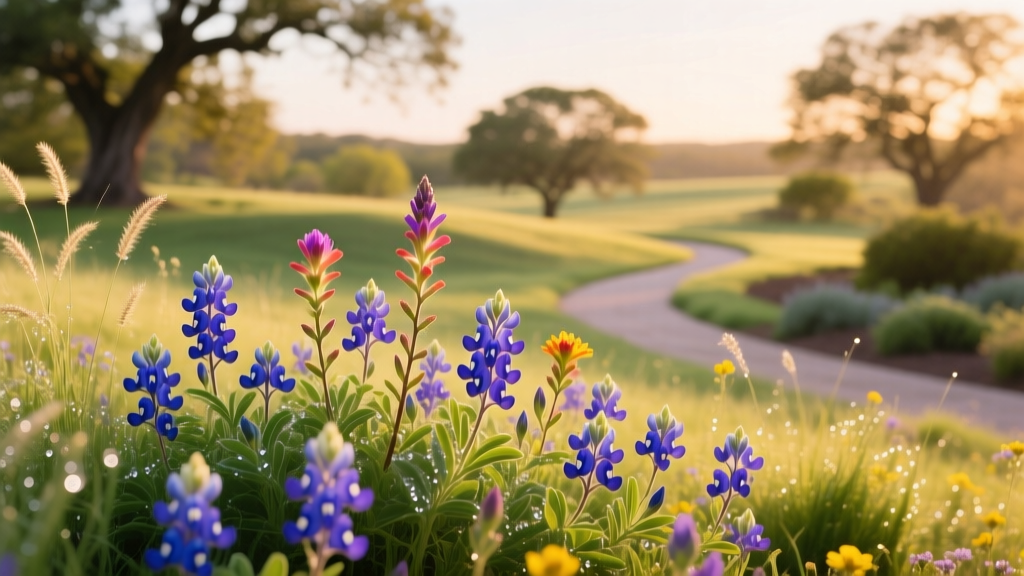
When to Plant Texas Native Flowers: A Regional Seasonal Calendar
The Microclimate Challenge of Texas Native Gardening
Texas spans over 268,000 square miles, encompassing deserts, piney woods, coastal marshes, and high plains. Because of this extreme geographical diversity, a universal planting calendar for Texas native flowers does not exist. A wildflower seed mix that thrives in the acidic sandy loam of East Texas will fail completely in the alkaline black clay of the Hill Country. Success requires aligning your sowing and transplanting schedules with your specific USDA Hardiness Zone and regional soil profile.
This guide provides a precise, region-specific seasonal calendar for cultivating native blooms, moving beyond generic advice to deliver exact sowing depths, stratification requirements, and soil pH targets necessary for establishing a resilient native pollinator garden.
Mapping Texas: Hardiness Zones and Native Regions
Before ordering seeds, identify your specific ecoregion. Texas generally falls into four primary native planting zones, each dictating a different seasonal timeline:
- Panhandle & High Plains (Zones 6b-7a): Characterized by extreme temperature swings, low humidity, and alkaline soils. Short growing season with late spring frosts.
- Central Texas & Hill Country (Zones 8a-8b): Features shallow, rocky, highly alkaline clay (pH 7.5–8.0) over limestone. Hot, dry summers and mild winters.
- Gulf Coast & South Texas (Zones 9a-9b): High humidity, heavy clay to sandy coastal soils, and rare freezing temperatures. Long, intense growing seasons.
- East Texas (Zones 8a-8b): Piney woods region with acidic, sandy loam soils (pH 5.5–6.5) and higher annual rainfall.
The Regional Planting Calendar for Texas Natives
Timing is the most critical variable in native seed germination. Most Texas native wildflowers require fall sowing to undergo natural cold stratification and establish deep taproots before the summer heat. Use the matrix below to time your planting.
| Region / Zone | Fall Seed Sowing Window | Spring Transplant Window | Average First Frost | Primary Soil Challenge |
|---|---|---|---|---|
| Panhandle (6b-7a) | Sept 15 – Oct 15 | April 15 – May 10 | Oct 20 – Nov 5 | Wind desiccation & extreme cold |
| Central / Hill Country (8a-8b) | Oct 1 – Nov 15 | March 15 – April 15 | Nov 15 – Nov 30 | Alkaline clay & summer drought |
| Gulf Coast (9a-9b) | Nov 1 – Dec 15 | Feb 20 – March 20 | Rare / Dec 20 | Heavy clay drainage & humidity |
| East Texas (8a-8b) | Oct 15 – Nov 30 | March 1 – April 1 | Nov 10 – Nov 20 | Acidic soil & competing tree roots |
Seasonal Bloom Timelines & Succession Planting
To maintain continuous forage for native pollinators like the Monarch butterfly and local sweat bees, you must sequence your plantings. Here is the seasonal breakdown for high-performing Texas native flowers.
Spring Bloomers: The Stratification Requirement
Iconic spring bloomers such as the Texas Bluebonnet (Lupinus texensis) and Indian Paintbrush (Castilleja indivisa) require specific seed treatments. Bluebonnet seeds possess a hard, impermeable coat. You must purchase scarified seed or manually nick the seed coat with sandpaper to allow water imbibition. Sow scarified bluebonnet seeds at a depth of exactly 1/4 inch in October. Surface sowing will result in seed predation by birds and ants.
Indian Paintbrush is hemiparasitic; its roots must attach to a host plant (such as bluebonnets, little bluestem, or drummond's phlox) to extract water and nutrients. Always sow Paintbrush seeds intermixed with a host species in the fall, pressing them firmly into the soil surface without covering them, as they require light to germinate.
Summer Survivors: Deep-Rooted Heat Tolerance
By June, Central and South Texas soils bake in 100°F+ heat. Spring annuals die back, making way for deep-rooted perennials. Mealy Blue Sage (Salvia farinacea) and Purple Coneflower (Echinacea purpurea) thrive here. Transplant nursery plugs in early spring (March) to give roots time to penetrate the caliche layer before July. If direct sowing coneflower seeds, do so in late fall; they require 30 to 60 days of cold, moist stratification to break dormancy.
Fall Color: Late-Season Pollinator Support
Fall is critical for migrating Monarchs. Maximilian Sunflower (Helianthus maximiliani) and Fall Aster (Symphyotrichum oblongifolium) provide essential late-season nectar. These are aggressive perennials. Plant rhizomes or nursery plugs in early spring. By their second year, Maximilian Sunflowers can reach 6 to 8 feet tall and will spread via underground rhizomes, requiring a dedicated bed with physical root barriers if planted near manicured turf.
Warning: The Compost Trap
A common mistake among new native gardeners is amending planting beds with heavy organic compost and fertilizers. Texas native flowers evolved in lean, nutrient-poor soils. Excess nitrogen promotes weak, leggy vegetative growth at the expense of blooms and makes plants highly susceptible to aphid infestations and root rot. For Central Texas clay, incorporate expanded shale or coarse builder's sand to improve drainage, but avoid nitrogen-rich amendments.
Soil Preparation: Matching Natives to the Dirt
According to the Texas A&M AgriLife Extension, soil pH dictates nutrient availability. You cannot force an East Texas native into a Hill Country bed without severe chemical intervention, and even then, failure is likely.
- Alkaline Soils (pH 7.2 - 8.2): Found in Central, North, and West Texas. Ideal for Black-eyed Susan, Engelmann Daisy, and Winecup. Do not attempt to lower the pH with sulfur; the free lime in the soil will buffer and neutralize your efforts. Choose alkaline-tolerant species instead.
- Acidic Soils (pH 5.0 - 6.5): Found in East Texas and the Piney Woods. Ideal for Spiderwort, Coreopsis, and native azaleas.
Before planting, conduct a baseline soil test through the Texas A&M Soil Testing Laboratory. This $12-$15 investment will tell you your exact pH and phosphorus levels, preventing years of frustration.
Sourcing Authentic Texas Native Seeds
Avoid generic 'wildflower mixes' from big-box hardware stores, which often contain invasive species like Dame's Rocket or non-native bachelor's buttons that outcompete local flora. Source genetics adapted to your specific region from specialized growers:
- Wildseed Farms: Based in Fredericksburg, they offer region-specific mixes and single-species seeds. Expect to pay $18–$25 per ounce for scarified Bluebonnet seed.
- Native American Seed: Located in Junction, TX. They provide excellent 'Texas-Oklahoma' and 'Gulf Coast' specific blends, along with detailed planting guides. Their native grass and wildflower mixes typically range from $35 to $60 per pound.
- Lady Bird Johnson Wildflower Center: The Wildflower Center maintains a comprehensive, searchable database of native plants, including exact bloom times, water requirements, and a directory of approved native plant nurseries in your zip code.
Frequently Asked Questions
How often should I water newly sown native flower seeds?
After fall sowing, water the bed lightly every 2 to 3 days if there is no rainfall, keeping the top 1 inch of soil moist until germination (usually 10-14 days). Once seedlings emerge, reduce watering to once a week to force taproots to grow downward seeking moisture. By their second year, established Texas natives require zero supplemental irrigation.
Are Texas native flowers deer resistant?
Very few plants are entirely deer-proof, but many Texas natives are highly deer-resistant due to their aromatic foliage or tough leaves. Mealy Blue Sage, Lantana, and Autumn Sage (Salvia greggii) are rarely browsed. Conversely, Texas Bluebonnets and Indian Blanket (Gaillardia pulchella) are highly palatable to deer and rabbits; you will need to use liquid repellents or physical netting during their first year of establishment.
Can I plant native flowers in containers?
Yes, but you must select species with fibrous root systems rather than deep taproots. Winecup (Callirhoe involucrata) and Prairie Verbena (Glandularia bipinnatifida) spill beautifully over the edges of large, 18-inch deep terracotta pots. Use a well-draining cactus/succulent potting mix blended with 30% crushed granite to mimic native soil conditions.

