
Gardening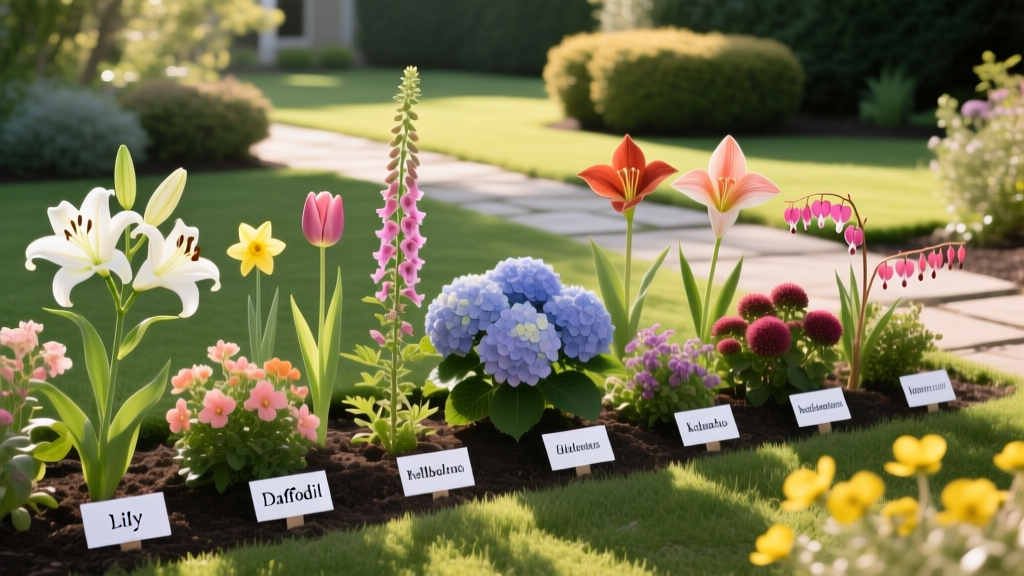
What Flowers Are Toxic to Dogs? 12 Dangerous Blooms to Avoid
Designing a lush, colorful landscape is a rewarding endeavor, but for dog owners, the garden doubles as an unsupervised playground. Knowing exactly what flowers are toxic to dogs is a critical component of responsible landscape planning. Many common ornamental plants contain alkaloids, glycosides, and toxic proteins that can cause severe gastrointestinal distress, neurological damage, or fatal organ failure in canines.
This identification guide breaks down the specific botanical threats lurking in standard garden beds, the exact toxic principles involved, and actionable engineering solutions to dog-proof your existing landscape without sacrificing curb appeal.
⚠️ CRITICAL WARNING: If you suspect your dog has ingested any part of a toxic plant, do not wait for symptoms to appear. Contact the ASPCA Animal Poison Control Center immediately at (888) 426-4435. Note that a $95 consultation fee may apply, but rapid intervention is the primary factor in survival rates for severe toxicities.
The Most Dangerous Toxic Flowers for Dogs (Severe & Fatal)
While many plants cause mild stomach upset, the following blooms contain highly potent compounds that require immediate emergency veterinary intervention. Even small ingestions can be lethal.
1. Sago Palm (Cycas revoluta)
Though technically a cycad rather than a true flower, the Sago Palm is a staple in warm-climate landscaping and is exceptionally dangerous. All parts of the plant contain cycasin, a toxic glycoside that causes severe acute liver failure. The seeds (nuts) contain the highest concentration. According to veterinary toxicologists, the fatality rate for Sago Palm ingestion remains between 30% and 50%, even with aggressive intravenous fluid therapy and liver protectants like S-adenosylmethionine (SAMe).
2. Oleander (Nerium oleander)
Frequently used as a privacy hedge or ornamental shrub in USDA zones 8-10, Oleander produces beautiful clusters of pink, white, or red flowers. Every part of the plant contains cardiac glycosides (oleandrin and neriine). Ingestion disrupts the heart's electrical activity, leading to fatal arrhythmias, severe vomiting, and hyperkalemia (dangerously high blood potassium levels). Just a few chewed leaves or flowers can be lethal to a 50-pound dog.
3. Autumn Crocus (Colchicum autumnale)
Often confused with the harmless spring-blooming crocus, the Autumn Crocus contains colchicine. This toxic alkaloid severely damages the gastrointestinal tract, kidneys, and liver, and suppresses bone marrow function. Symptoms can be delayed for several days, making early identification and veterinary decontamination critical.
4. Azaleas and Rhododendrons (Rhododendron spp.)
These popular spring-blooming shrubs contain grayanotoxins, which bind to sodium channels in cell membranes, disrupting nerve and muscle function. Ingesting as little as 0.2% of the dog's body weight in leaves or flowers can cause profound hypotension, bradycardia (slow heart rate), coma, and cardiovascular collapse.
Moderate Toxicity Blooms: Symptoms and Identification
The following flowers are highly common in residential gardens. While rarely fatal if treated promptly, they cause significant distress and require veterinary care to manage symptoms and prevent secondary complications like aspiration pneumonia or severe dehydration.
| Flower Name | Toxic Principle | Primary Symptoms | Most Toxic Part |
|---|---|---|---|
| Tulips (Tulipa spp.) | Tulipalin A and B | Drooling, vomiting, diarrhea, depression | Bulbs |
| Daffodils (Narcissus spp.) | Lycorine | Severe vomiting, abdominal pain, cardiac arrhythmias, tremors | Bulbs |
| Hydrangeas (Hydrangea spp.) | Cyanogenic glycosides | Vomiting, diarrhea, lethargy, cyanosis (rare) | Leaves and blooms |
| Chrysanthemums (Chrysanthemum spp.) | Pyrethrins | Contact dermatitis, drooling, vomiting, incoordination | All parts |
| Lily of the Valley (Convallaria majalis) | Cardiac glycosides | Vomiting, slow heart rate, seizures, cardiac arrest | All parts (especially water in vase) |
How to Dog-Proof Your Existing Garden Beds
If your landscape already features toxic blooms, complete removal is the safest option. However, if you wish to retain specific plants or protect newly planted safe zones from digging and foraging, implement these physical barrier strategies:
- Hardware Cloth Trenching: Standard chicken wire is easily bent by large breeds. Instead, use 1/2-inch galvanized hardware cloth. Dig a 6-inch trench around the perimeter of the garden bed, bury the bottom 6 inches of the mesh, and fold the top 18 to 24 inches outward at a 90-degree angle to deter digging.
- Elevated Planter Boxes: Build raised cedar beds that are at least 36 inches high. This height prevents most medium-to-large dogs from reaching over the edge while sniffing or marking territory.
- Sensory Deterrents: Dogs dislike the texture of prickly mulches. Replace standard shredded hardwood mulch with pine cones, sweetgum balls, or rough-cut stone (like 3/4-inch crushed granite) around the base of toxic shrubs to discourage close investigation.
Safe Alternative Flowers for Dog-Friendly Gardens
You do not need to sacrifice a vibrant, pollinator-friendly landscape to keep your dog safe. The following annuals and perennials are verified non-toxic by the Pet Poison Helpline and provide excellent color and structural variety:
✅ SAFE SWAP RECOMMENDATIONS:
- Instead of Tulips/Daffodils: Plant Zinnias (Zinnia elegans) or snapdragons (Antirrhinum majus) for similar vertical color spikes.
- Instead of Chrysanthemums: Use African Daisies (Osteospermum) or Celosia for late-summer bloom density.
- Instead of Lilies: Plant Spider Plants (Chlorophytum comosum) in hanging baskets or Calendula (Calendula officinalis) for ground-level orange and yellow hues.
Emergency Protocol: What to Do If Your Dog Ingests a Toxic Flower
When an ingestion occurs, rapid and methodical action dictates the clinical outcome. Follow this exact sequence:
- Secure the Airway and Mouth: Safely open your dog's mouth and remove any remaining plant material. Do not get bitten if the dog is disoriented or seizing.
- Identify and Preserve the Plant: Take a clear photograph of the plant, including the flower head, stem, and leaf structure. If possible, place a sample in a sealed plastic bag. Accurate identification allows veterinary toxicologists to administer the correct targeted antidote or supportive care.
- Call Poison Control: Dial the ASPCA Poison Control (888-426-4435) or the Pet Poison Helpline (855-764-7661). Have your dog's exact weight, breed, and estimated ingestion time ready.
- Do NOT Induce Vomiting Blindly: Never administer 3% hydrogen peroxide without explicit instructions from a licensed veterinarian. In certain scenarios—such as ingestions involving caustic plant saps, or in brachycephalic breeds (Pugs, Bulldogs)—induced vomiting can cause severe hemorrhagic gastroenteritis or fatal aspiration pneumonia.
- Transport to an ER Clinic: Bring the plant sample and the poison control case number directly to the nearest 24-hour veterinary emergency facility.
Frequently Asked Questions
Are dried flowers and floral arrangements toxic to dogs?
Yes. The drying process does not neutralize toxic alkaloids or glycosides. In fact, dried flowers can sometimes be more dangerous because they become brittle and easier for dogs to ingest in large quantities. Furthermore, the water in vases holding toxic flowers like Lily of the Valley absorbs the plant's toxins and becomes highly poisonous.
Is lavender toxic to dogs?
Lavender (Lavandula angustifolia) contains small amounts of linalool and linalyl acetate. While a few nibbled leaves will likely only cause mild gastrointestinal upset, ingestion of large quantities or highly concentrated lavender essential oils can lead to central nervous system depression and liver toxicity. It is best to plant lavender in elevated containers out of reach.
For a comprehensive, searchable database of both toxic and non-toxic flora, consult the Cornell University Department of Animal Science Poisonous Plants database before introducing any new cultivars to your landscape.

