
Gardening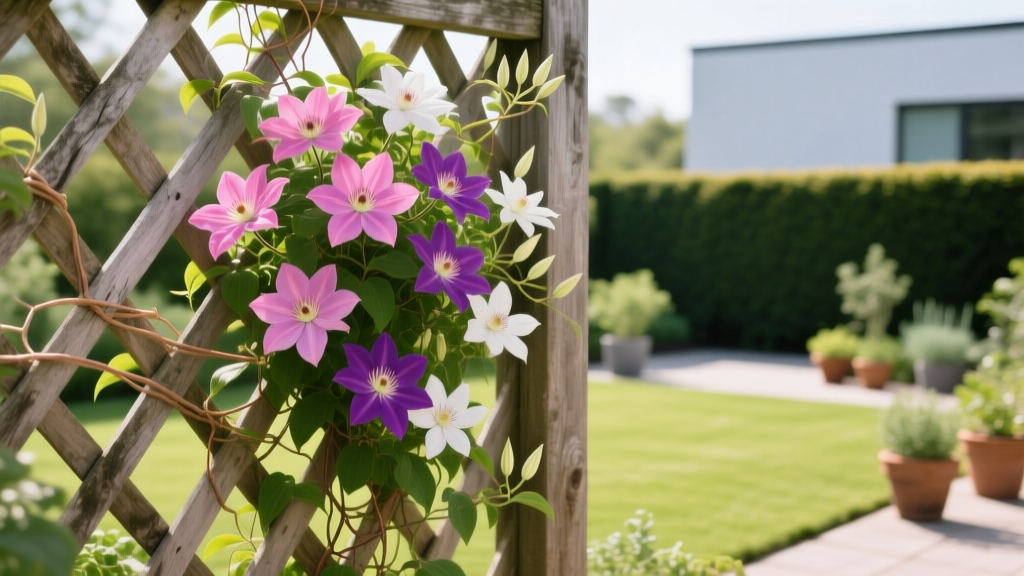
How to Train Climbing Flower Vines on Wooden Trellises
Vertical gardening transforms flat, underutilized yard space into dynamic, blooming architectural features. However, successfully cultivating vertical flora requires more than just planting a seedling at the base of a fence. Training climbing flower vines demands a precise understanding of plant biomechanics, structural engineering, and ongoing canopy management. Misjudging the mature weight of a vine or its specific attachment method frequently results in collapsed structures, snapped stems, and stunted floral production.
This guide details the exact horticultural and structural protocols required to train, support, and maintain climbing flower vines on wooden trellises and pergolas.
Decoding Vine Attachment Mechanics
Not all flower vines climb using the same biological mechanism. Misidentifying how a plant anchors itself is the most common cause of training failure. According to University of Minnesota Extension, climbers generally fall into three distinct categories, each requiring a specific trellis geometry.
| Attachment Type | Biomechanical Action | Ideal Trellis Geometry | Common Flower Vine Species |
|---|---|---|---|
| Twining | Stems wrap in a spiral around vertical or horizontal supports. | Vertical poles, narrow lattice (1-2 inch spacing), wire cables. | Clematis, Morning Glory, Honeysuckle, Wisteria. |
| Tendril | Specialized leaf stems (petioles) reach out and coil around thin objects. | Thin wire mesh, fine netting, narrow wooden slats (under 1/4 inch thick). | Passionflower, Sweet Pea, Cobaea scandens. |
| Clinging | Aerial rootlets or adhesive discs attach directly to flat surfaces. | Solid walls, thick wooden posts (no trellis needed, but dangerous for wood). | Trumpet Vine, Climbing Hydrangea, Creeping Fig. |
Structural Warning: Never allow clinging vines like Trumpet Vine (Campsis radicans) or Climbing Hydrangea to attach directly to wooden siding, cedar shingles, or painted wooden trellises. Their aerial rootlets penetrate porous wood and lift paint, causing severe moisture intrusion and rot. Always use a masonry wall or a standalone metal/wooden trellis positioned at least 6 inches away from structural wood.
Engineering the Trellis for Long-Term Load
A mature Wisteria or large climbing rose can easily exceed 500 to 700 pounds in wet conditions. Standard prefabricated garden center lattice panels will collapse under this load within three years. Building a permanent support structure requires specific material selections and installation depths.
Material Selection and Sizing
- Primary Posts: Use 4x4 heartwood Western Red Cedar or Black Locust. Both species possess natural rot resistance without the need for chemical pressure treatment, which can leach into garden soil. As of 2026, expect to pay between $25 and $45 per 8-foot post for premium heartwood cedar.
- Cross Members: Use 2x4 or 2x6 lumber for horizontal load-bearing arms. Avoid 1x2 furring strips, which warp and snap under the lateral wind load of a dense vine canopy.
- Tension Wires: For heavy twining vines, supplement wood with 10-gauge or 12-gauge galvanized steel wire. Run the wire through stainless steel eye screws spaced 12 inches apart vertically.
Installation Depth
Posts must be buried below the local frost line to prevent winter heave. In most northern US zones (Zones 4-6), this requires digging post holes 36 to 42 inches deep. Set the posts in a fast-setting concrete mix, ensuring a 2-inch gravel base for drainage. A 4x4 post buried 36 inches deep can safely support a cantilevered canopy weighing up to 800 pounds.
Step-by-Step Training Protocol for Twining Vines
Once the structure is engineered, the physical training of the plant begins. This protocol applies to twining and tendril vines, focusing on establishing a strong primary framework before allowing lateral branching.
- Establish the Main Leader: In early spring, select the single thickest, healthiest stem to act as the primary trunk. Prune away all competing basal shoots at the soil line using sterilized bypass pruners.
- Initial Securing: Gently guide the leader to the base of the trellis. Use a stretchy silicone plant tie or biodegradable 1/4-inch jute twine to secure the stem. Never use rigid plastic zip ties, which will girdle and strangle the stem as it expands in diameter.
- The Figure-Eight Tie: Loop the twine around the wooden trellis support first, cross it in the middle to form an '8', and then loop it around the vine stem. This creates a cushioning barrier that prevents the bark from rubbing against the wood during wind events.
- Manage Apical Dominance: Twining vines naturally want to shoot straight up. Once the leader reaches the top of the trellis, pinch off the terminal bud. This breaks apical dominance and forces the plant to push out lateral side-shoots, creating a full, blooming canopy rather than a single bare stalk.
- Weave, Don't Just Tie: As lateral shoots emerge, weave them in and out of the lattice or wire grid. Secure them every 12 to 18 inches. This distributes the weight evenly across the entire structure.
Canopy Management and Pruning Framework
Training is not a one-time event; it requires annual canopy management to maintain airflow, prevent fungal diseases like powdery mildew, and maximize flower production. The Clemson University Home & Garden Information Center emphasizes that improper pruning is the primary reason established vines fail to bloom.
Understanding Bloom Wood
Before making a single cut, you must identify whether your flower vine blooms on old wood (last year's growth) or new wood (current season's growth).
- Old Wood Bloomers (e.g., Spring-flowering Clematis, Wisteria): Prune immediately after they finish flowering in late spring. Pruning in winter or early spring will remove the flower buds, resulting in a lush green vine with zero blooms.
- New Wood Bloomers (e.g., Jackmanii Clematis, Trumpet Vine): Prune heavily in late winter or early spring while the plant is dormant. Cut back to 12-18 inches from the base to encourage vigorous new shoots that will bear flowers in late summer.
The Thinning Cut Technique
When a vine becomes overgrown, avoid 'shearing' the outside of the canopy, which creates a dense outer shell that blocks light from reaching the interior. Instead, use thinning cuts. Trace overcrowded stems back to their point of origin or to a major lateral branch, and cut them out entirely. Aim to remove 15% to 20% of the oldest, woodiest stems annually to stimulate fresh, flowering growth from the base.
Troubleshooting Common Training Failures
Even with proper installation, environmental factors and biological quirks can derail your training efforts. Use this diagnostic matrix to correct issues in the field.
| Symptom | Probable Cause | Corrective Action |
|---|---|---|
| Vine climbs well but produces only leaves, no flowers. | Excess nitrogen fertilizer or insufficient sunlight (less than 6 hours direct sun). | Switch to a low-nitrogen, high-phosphorus fertilizer (e.g., 5-10-10 NPK). Thin surrounding tree canopies to increase light penetration. |
| Lower stems are bare and woody; foliage is only at the top. | Lack of renewal pruning and apical dominance hoarding energy. | Perform a hard rejuvenation prune in early spring (for new-wood bloomers) or layer a flexible stem into the soil to root a new basal shoot. |
| Stems are snapping off the trellis during high winds. | Ties are too tight, or the canopy is too dense, acting like a sail. | Loosen all figure-eight ties. Perform interior thinning cuts to allow wind to pass through the foliage rather than pushing against it. |
| Leaves show white powdery residue and drop prematurely. | Powdery mildew caused by poor air circulation and high humidity. | Thin the canopy by 20%. Apply a preventive neem oil or potassium bicarbonate fungicide spray in early summer before symptoms appear. |
Successfully integrating climbing flower vines into your landscape bridges the gap between horticulture and structural design. By matching the vine's biological attachment method to the correct trellis geometry, engineering the support to handle mature wet-weight loads, and executing precise seasonal pruning, you ensure a vertical garden that remains structurally sound and florally prolific for decades.

